
Lutsango: the protective fence of Eswatini’s heritage empowering women through the vibrant buganu ceremony
- Introduction: Lutsango as the nation’s shield
- The buganu ceremony: rituals, aesthetics, and communal joy
- Lutsango’s custodial mandate: fencing the family and nation
- Royal stewardship and the King’s engagement with lutsango
- Marula’s economic and nutritional value
- Implications for social development
- Key gaps and limitations
- Conclusion
Introduction: Lutsango as the nation’s shield
In Eswatini, lutsango, meaning “the fence that safeguards the entire yard,” reflects the role of women as protectors, nurturers, and stabilisers of family, community, and nation. Like a traditional homestead fence that protects against harm, lutsango regiments made up of married and older women organised by region, employer, or community serve as a force that upholds moral order, social harmony, and cultural continuity. They protect the vulnerable, pass on knowledge across generations, and strengthen the social fabric, positioning women as active builders of resilience.
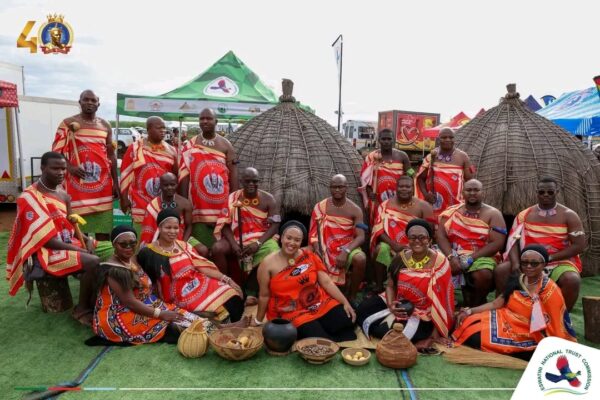
This role is clearly seen in the annual buganu ceremony, where King Mswati III meets with lutsango in a shared space for expression, dance, and celebration. Through the consumption of buganu, made from liganu fruits of the umganu tree, women speak about household conflict, gender based violence, economic struggles, and national concerns. Songs and dance support this expression, creating space for healing, unity, and response. The ceremony brings together lutsango in red lihiya, families, tourists, officials, youth, elders, and incarcerated women who are allowed to attend, supporting cultural reconnection and psychosocial healing.
The ceremony begins with the call of the indvuna yelutsango, who represents the King. Her call, “Uyezwa Na? Uyezwa Na? Lalele Tindzaba Letiphuma Ebukhosini!” mobilises women across the country to gather at royal sites such as Buhleni and Hlane. With its recognition as a public holiday on 10 March 2025, buganu day strengthens this tradition and affirms lutsango as a key institution in Eswatini.
The buganu ceremony: rituals, aesthetics, and communal joy
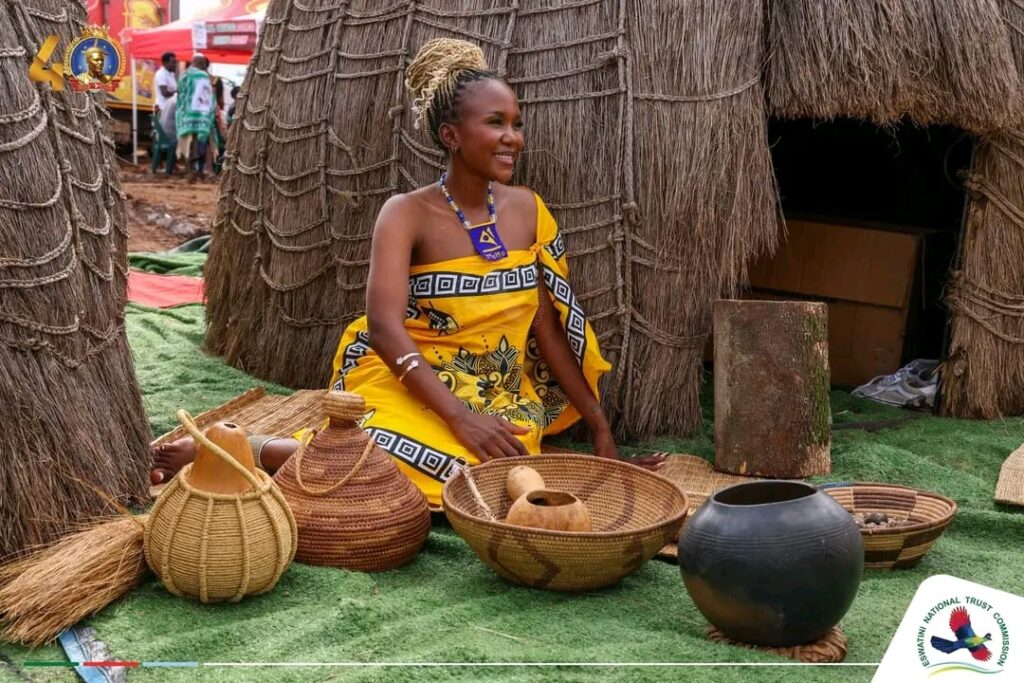
The buganu ceremony takes place over three days between February and March. On the first day, women collect fallen liganu fruits from umganu trees and present them to the indlovukazi. This act reflects respect, gratitude, and connection to the land. People from different backgrounds, including those on parole, take part in this process, building shared identity.
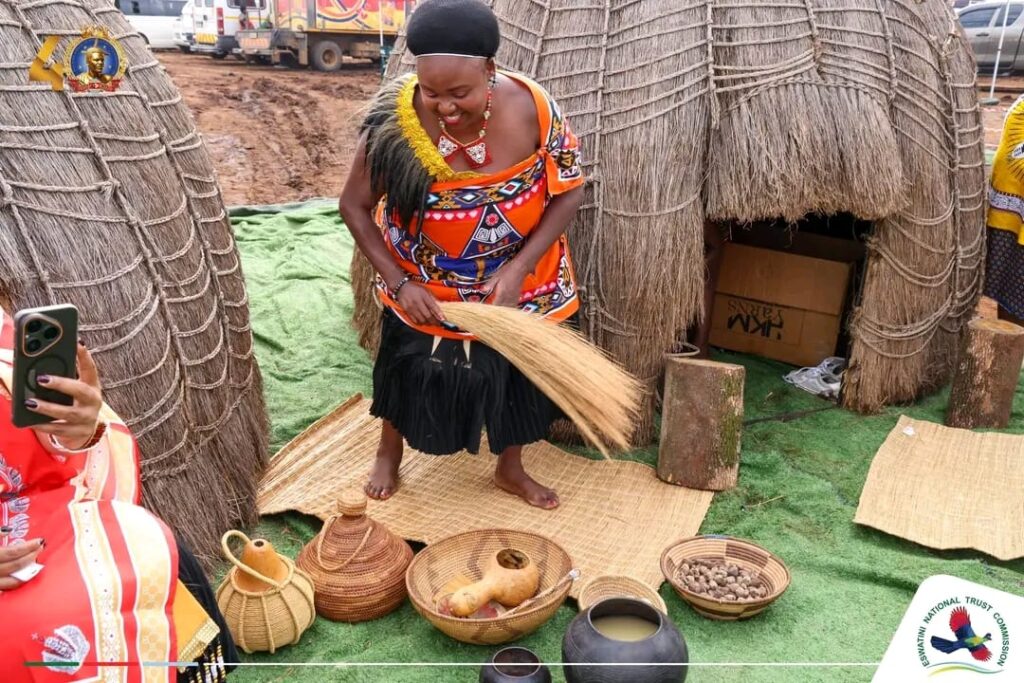
On the second day, the fruits are prepared and fermented into buganu. Women work together in this process, which carries meanings of health, fertility, and vitality. Incarcerated women also participate, reflecting forgiveness and reintegration.
The third day marks the main celebration. The King tastes the buganu while women sing, dance, and speak openly. Women raise concerns about gender based violence, celebrate achievements, and express collective experiences. The ceremony also supports local economies through tourism, crafts, and marula based products.
Lutsango’s custodial mandate: fencing the family and nation
Lutsango extends beyond ceremony into everyday life. These regiments guide younger women, support families, and help resolve conflicts. Within the buganu space, they create forums for discussing health, livelihoods, and relationships. They also challenge harmful norms while working within cultural frameworks.
Through shared support, women respond to gender based violence and promote awareness of legal protections such as the Sexual Offences and Domestic Violence Act. Their work includes supporting marginalised groups such as women on parole, demonstrating restorative justice in practice. Preserving lutsango is important for maintaining social cohesion, reducing poverty, and strengthening identity.
Royal stewardship and the King’s engagement with lutsango
King Mswati III plays an important role in sustaining buganu. Through the indvuna, he calls lutsango together, participates in the ceremony, and listens to their concerns. This engagement allows women to speak openly about national issues, including violence, poverty, and social instability.
This relationship supports unity, dignity, and social repair. The King’s support also protects the ceremony from decline and strengthens its role in tourism and national identity. In this way, the monarchy and lutsango support each other.
Marula’s economic and nutritional value
The umganu tree contributes to both culture and livelihoods. Its fruits are used to produce buganu, as well as jams, oils, and other products. These are sold through cooperatives such as Swazi Secrets, generating significant income for rural women.
This economic activity supports lutsango’s role by strengthening household income and reducing poverty. It shows how cultural practices can contribute to sustainable development.
Implications for social development
Buganu provides a clear example of how indigenous systems contribute to social development. It strengthens community networks, supports psychosocial wellbeing, and creates platforms for addressing gender based violence. It also promotes participation, inclusion, and economic empowerment.
For social work, lutsango offers a culturally grounded structure for intervention. Practitioners can work with existing community forums to support prevention, healing, and advocacy. The ceremony also provides data and insight that can inform policy and programmes. Supporting and preserving buganu contributes directly to community driven social development.
Key gaps and limitations
Key gaps in this approach include limited inclusion across gender and age, where younger women and men may be less engaged, reducing wider community ownership. There is also a risk of reinforcing hierarchy, where respect for traditional authority may limit open discussion on sensitive issues such as gender based violence. The episodic nature of the buganu ceremony means engagement is not continuous, which can weaken sustained social development impact. Uneven access and participation may exclude marginalised women who are not part of lutsango structures. There are also weak linkages with formal social services, limiting coordination, referrals, and long term support. Additionally, some cultural norms may be reproduced in ways that constrain women’s agency. Finally, gaps in documentation and evidence make it difficult to evaluate and scale this approach within broader social development systems.
Conclusion
Buganu, through lutsango, brings together empowerment, cultural continuity, and social justice. Its preservation protects not only tradition but also community systems that support wellbeing and development. Continued recognition, policy support, and community engagement are essential for sustaining its role for future generations.
Use the form below to subscibe to Owia Bulletin.