Wangari Muta Maathai


Biography
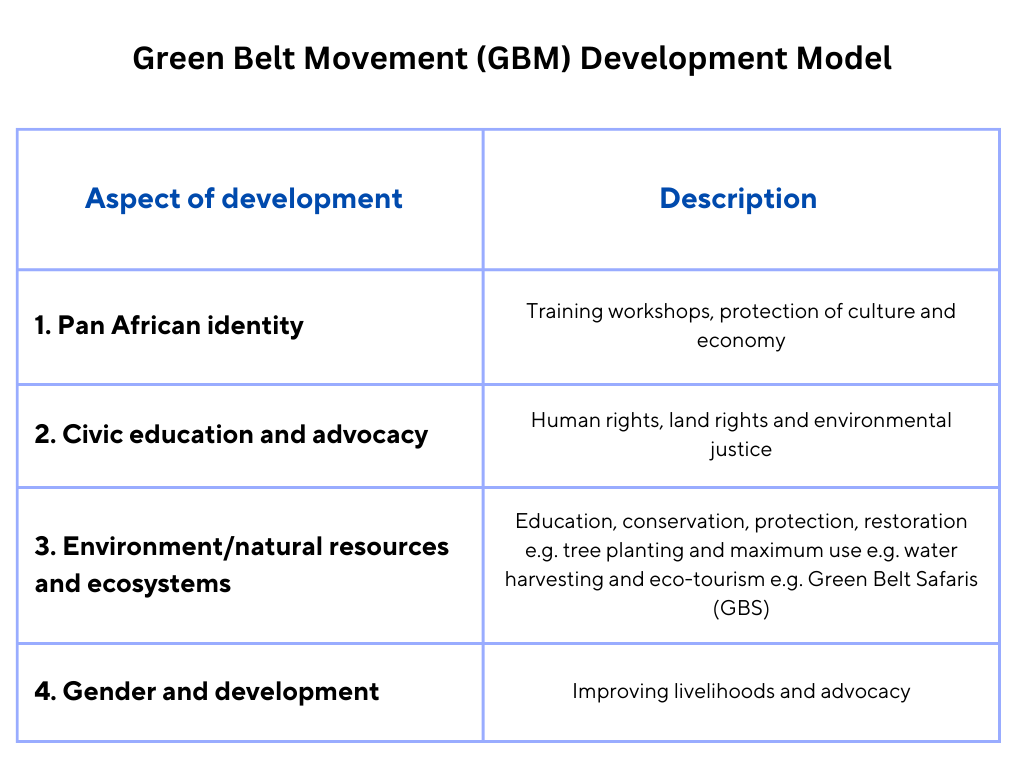
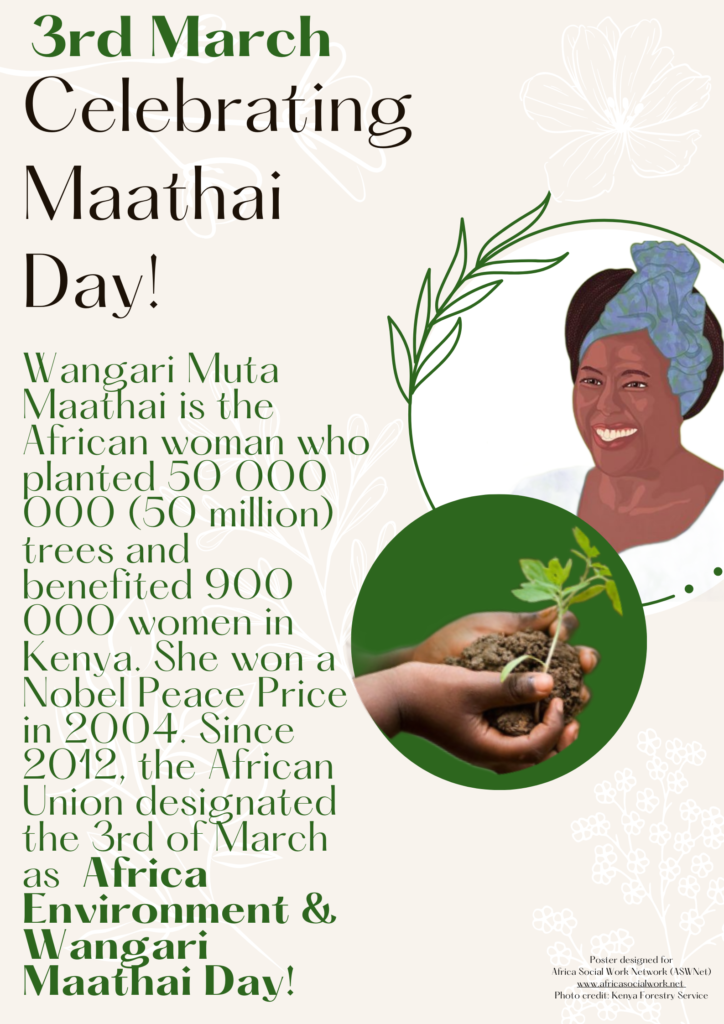
Professor Maathai was not a social worker, but her work transformed families, communities and society in several ways. Wangarĩ Muta Maathai, Kenya formed the Green Belt Movement (GBM) in 1977 to champion planting of trees, environmental conservation, and women’s rights. More than 50 million trees were planted in Kenya mainly by women members of GBM, and More than 900,000 Kenyan women benefited from her tree-planting campaign by selling seedlings for reforestation.
Awards
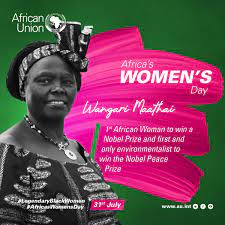
In 2004, she won the Nobel Peace Price in 2004.
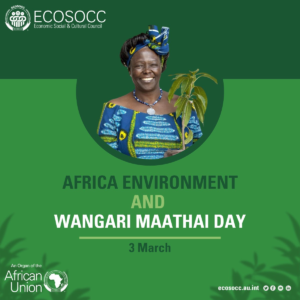
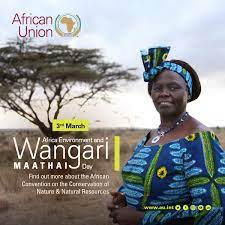
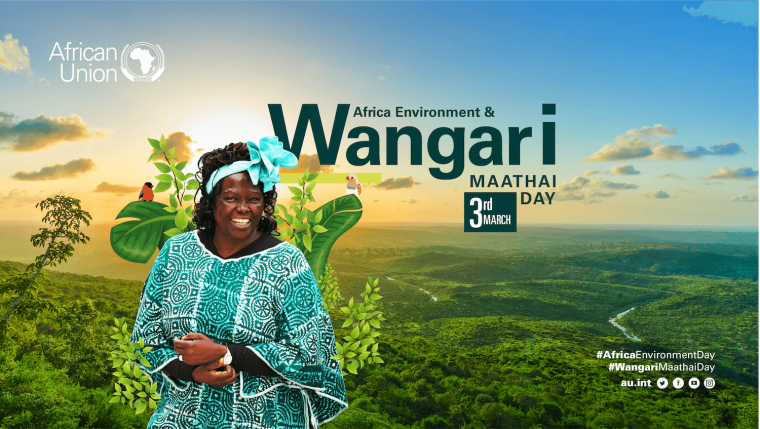
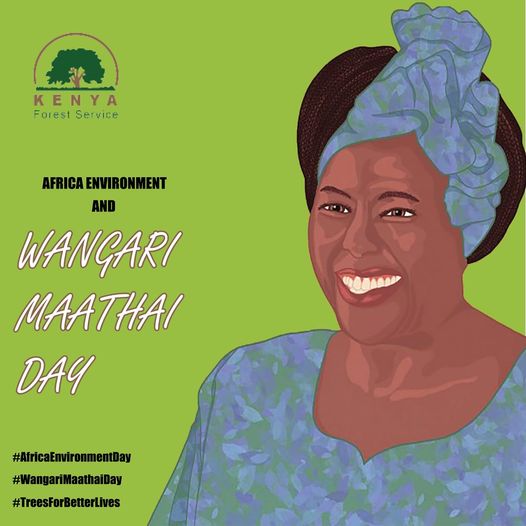
In 2012, the African Union recognised her work by making March 3rd the Africa Environment and Wangari Maathai Day.
She received several other awards.
Photos
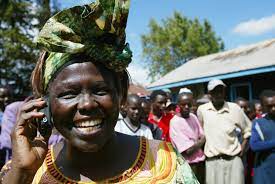
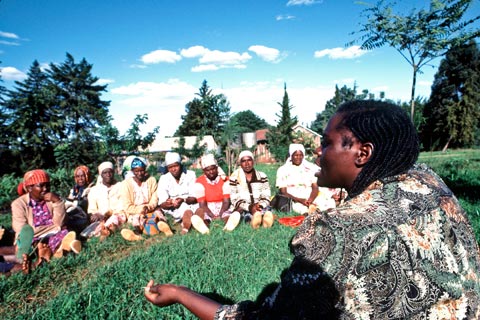
Speeches
Only when communities recapture the positive aspects of their culture will people relearn how to love themselves and what is theirs.
Maathai
Maathai, 1995, Bottlenecks to Development in Africa Speech
Good health is essential for sustained, creative and productive life. Healthy individuals are resourceful and creative and have the urge to fulfil their full potential. That is why many governments have a national health plan to ensure that it does not govern a sickly nation. But in sub-Sahara Africa 100 million of people are reported to be food insecure and many countries in the sub-region depend on food imports and emergency food aid. Therefore, millions never have enough to eat, are undernourished and are suffering from parasitic infestations and diseases associated with malnutrition and poor sanitation. In such an environment, development is bound to stagnate. Poverty, poor health and sustained hunger become a vicious endless circle in which there is diminished productivity and retrogression.
In traditional African societies food security was at the family level even though there was also a collective responsibility in the community for food security for all. Seasons were synchronized and there was a living culture associated with food production, seed selection and post-harvest storage. Important structures at every homestead included granaries for grains and beans while certain crops like bananas, sugar canes, roots crops and green vegetables were always available in the field, and especially between harvests.
At the onset of colonial era in Africa and introduction of cash crops (coffee, tea, nuts, sugarcane plantations, horticultural crops, etc.) all that changed. The traditional farming culture was demeaned, discredited and destroyed along with much of other heritages of Africa. Crop land was commercialized for cash crops, granaries disappeared from the homesteads, and people became dependent on processed foods from shops. The cash economy took over.
At the same time species of trees like the eucalyptus, black wattle and conifer trees replaced indigenous species not only on farmlands but also in forest areas. As a result farmlands have lost water and certain crops like bananas, sugarcanes and local species of arrow roots no longer thrive on the drier farmlands to give food security to the local communities.
The colonial administration introduced the idea of state food security to replace the traditional food security measures. At independence, the government took over the responsibility of feeding the nation and is expected to ensure that there is enough food in state granaries to avert hunger. It is therefore, the primary responsibility of every government to ensure an adequate level of nutrition and health to its citizens. But notwithstanding statements at international conferences and round tables of development agencies about agriculture, food security, farming techniques and preventive medicine, the only farming sector which receives adequate attention is that which deals with cash crop and the one which brings in foreign exchange (coffee, nuts, tea, flowers and horticultural crops intended for export). Unfortunately, farmers are paid little for their crops and payments are often delayed. Therefore, many families sustain hunger and malnutrition in places where their own parents and grandparents had surplus food.
Most of the available food in Africa is produced by women and children who provide the intensive labour required on small farms under cash crops. Except for the cash crops, agriculture and food production in Africa is still a low priority, political statements not withstanding, with many farmers having sacrificed food production in favour of cash crops. At the same time, women’s work (even in food production) is still rated low, is not a priority, has no prestige and women farmers are not adequately compensated for their labor. Governments give little attention to food production for home consumption.
And food has even become a political weapon with leader in power keeping the key to the national granaries, disposing of the food even when their own people need it and subsequently appealing for food from the international community. Agricultural Cooperative movements, once intended to support farmers, have been misused and mismanaged by government- appointed bureaucrats in the parasitical organisations. The national agricultural policies discourage food production by local farmers and opt for cheap food in the international market. Therefore, only a government which cares about its people will protect its citizens from the politics of food. And only strong, informed non-state actors of the civil society would persuade its government not to sacrifice the local farmers at the altar of international food politics and profiteering.
Wangari Maathai, 2004, The Cracked Mirror Speech
Agriculture, democracy, heritage, and ecology are all dimensions and functions of culture. Agriculture, agriculture, is the way we deal with seeds, crops, harvesting, and processing and eating. One result of colonialism was the loss of indigenous food crops such as millet, sorghum, arrowroot, yam, and green vegetables, as well as livestock and wildlife. Like culture itself, the possession of cattle as a sign of wealth or the growing of one’s own food were trivialised by colonisers as indicators of a primitive mode of living. Loss of indigenous food and the methods to grow it have contributed to food insecurity at the household level and diminishment of local biological diversity.
People without culture feel insecure and are obsessed with the acquisition of material things, which give them a temporary security that itself is a delusional bulwark against future insecurity. Without culture, a community loses self-awareness and guidance, and grows weak and vulnerable. It disintegrates from within as it suffers a lack of identity, dignity, self-respect and a sense of destiny.
By the end of the civic and environmental seminars organised by the Green Belt Movement, participants feel the time has come for them to hold up their own mirror and find out who they are. This is why we call the seminars kwimenya (self-knowledge). Until then, participants have looked through someone else’s mirror—the mirror of the missionaries or their teachers or the colonial authorities who have told them who they are and who write and speak about them—at their own cracked reflections. They have seen only a distorted image, if they have seen themselves at all!
There is enormous relief and great anger and sadness when people realise that without a culture not only is one a slave, but one has actually collaborated with the slave trader, and that the consequences are long-lasting. Communities without their own culture, who are already disinherited, cannot protect their environment from immediate destruction or preserve it for future generations. Since they are disinherited, they have nothing to pass on.
A new appreciation of culture can give traditional communities a chance, quite literally, to rediscover themselves, and to revalue and reclaim their culture. This is no trivial matter of reviving pottery or dancing, or whatever limited ideas of indigenous culture some Westerners may still have.
Of course, no one culture is applicable to all human beings who wish to retain their self-respect and dignity; none can satisfy all communities. Humanity needs to find beauty in its diversity of cultures and accept that there will be many languages, religions, attires, dances, songs, symbols, festivals and traditions. This diversity should be seen as a universal heritage of humankind.
Cultural liberation will only come when the minds of the people are set free and they can protect themselves from colonialism of the mind. Only that type of freedom will allow them to reclaim their identity, self-respect and destiny. Only when communities recapture the positive aspects of their culture will people relearn how to love themselves and what is theirs. Only then will they really appreciate their country and the need to protect its natural beauty and wealth. And only then will they have an understanding of the future and of generations to come.
Videos
Resources for kids
Video
Poster
Please see poster below, if you want a pdf copy, use this link.
Model