
Skip to content
  • Home
  • About|Join
  • Ethics
  • Events
  • Certificates
  • Owia Bulletin
  • Journals
  • DecoloniseCalculators
  • Mfundo|CPD
  • FundiDictionary
  • Awards
  • Ushahidi
  • DACCS
  • Kuumba
  • AfroMe
  • Submit
  • Exhibitions
  • Consultancy
  • Catalogue
  • Blog
  • Shop
  • Contact us
  • Twitter
  • Facebook
  • LinkedIn
  • YouTube
  • Academia AJSW
  • Instagram
  • TikTok
Africa Social Work and Development Network | Mtandao waKazi zaJamii naMaendeleo waAfrica
Africa Social Work & Development Network | Mtandao waKazi zaJamii naMaendeleo waAfrika

Africa Social Work & Development Network | Mtandao waKazi zaJamii naMaendeleo waAfrika

We create, aggregate and disseminate information and resources to facilitate Social Work and Social Development in Africa.

  • ACADEMICS
    • Lecture Resources
    • Lectures
    • Fieldwork Resources
    • Approaches to assessing learning
    • Types of University Assessments
    • ASWDNet Guide to Writing (Journals)
    • ASWDNet Guide to Writing and Publishing
  • PRACTITIONERS
    • Values and Ethics in Africa
    • Africa Social Work and Development Awards
    • Continuous Professional Development (CPD)
    • Templates, Models, Frameworks, Assessment Tools and Questionnaires
    • African Theories
    • Supervision
  • STUDENTS
    • Social Work and Development Student Conference (SWDSC)
    • 12 Steps to Get Published
    • Tips for Prospective Doctoral Students
    • ASWDNet Guide to Writing (Academic Research Brief| Proposal | Thesis)
    • Writing a journal article could be as easy as making fufu, nsima, ugali or matoke!
    • Lectures
    • Glossary of Publishing Terms
  • RESEARCHERS
    • Research Methods
    • Qualitative data levels of analysis
    • African Independent Ethics Committee (AIEC)
    • Research Questions Bank
    • Publisher/Journal Checker
    • Research Strategies
    • Reviewers
    • Ubuntu Research Group (URG)
    • Kuumba (Mentoring)
      • SURVEY OF SOCIAL PROBLEMS AND CHALLENGES FOR AFRICA
      • Mentees
      • Mentors
      • Guidelines
    • Afrocentric Mentoring Project (AfroME)
  • ASSOCIATIONS
  • TRAINING INSTITUTIONS
  • COMMUNITIES
    • Ubuntu Fundraising and Charity Principles
    • COVID-19
    • Social Work for Children
    • Funda KiSwahili
  • MEMBERS
  • Africa Philosophy
  • African Theories
  • Research Methods
  • Library | Databases
  • Social Work
    • Social Work Education institutions (SWEI) in Africa
    • Biography of Social Development in Africa
      • Charlotte Makgomo-Mannya Maxeke (1871-1939)
      • Zahia Marzoukย (1906 โ€“ 1988)
      • Regina Gelana Twala (1908-1968)
      • Mai Musodzi Chibhaga Ayema (1885-1952)
      • Nnoseng Ellen Kate Kuzwayo (1914 โ€“ 2006)
      • Joshua Mqabuko Nyongolo Nkomo (19 June 1917 โ€“ 1 July 1999)
      • Jairos Jiri (1921 โ€“ 1982)
      • Kenneth Buchizya Kaunda (1924-2021)
      • John Samuel Mbiti (1931-2019)
      • Gibson Mthuthuzeli Kent (1932-2004)
      • Winnie Madikizela-Mandela 1936โ€“2016
      • Ngugi wa Mirii (1951 โ€“ May 3, 2008)
      • Andrew Chad Nyanguru (28 Mar 1953-14 May 2014)
      • Professor Rodreck Mupedziswa
      • Edwell Kaseke (1954-2017)
      • Lovemore Mbigi
      • Selassie Seyoum Gebre (1936-)
      • Arega Yimam (-c1989)
      • Dr Noel Garikai Muridzo
      • Dr Edmos Mthethwa
      • Phillip Manyanye Bohwasi
      • Wassie Kebede
      • Gidraph G Wairire
      • Wangari Muta Maathai
      • Uzoma Odera Okoye, Dr
    • Social Work Journals and Other Serial Publications in Africa (ASWDNet Index)
    • Association of Social Work Education in Africa (ASWEA) โ€“ 1965 to 1989
    • Future of Social Work in Africa
    • Environmental Social Work
  • Development
    • Developmental Work Database
  • Ubuntu
    • Ubuntu Research Group (URG)
    • Ushahidi Platform
    • Ubuntu Fundraising and Charity Principles
    • Ubuntu Bibliography
    • Ubuntu Survey
    • Ubuntu Annual Lecture
    • Ubuntu Interview Guide Sample
  • Africa
    • African Anthem (African Union)
    • Umoja waAfrica (African Union)
    • African symbols and alphabets
    • Fundi โ€“ The African Dictionary and Encyclopaedia of Social Work and Development
    • Africa Religion (uAfrica)
    • Africa Research Ethics and Malpractice Statement (AREMS)
    • The San Code of Research Ethics (San Code)
  • Blog
    • Our Ubuntu-inspired Comments Policy
    • Become a Blogger
    • Admin ASWDNet
    • Babekazi
    • Professor Roy@Indigenous Social Work
    • Mutape J.D.S Sithole
    • Alemayehu Gebru from Ethiopia, Jimma City
    • Rugare Mugumbate
    • Decolonise
    • Writing and Publishing
    • Development
    • Toto
    • Ms. Alexandra Thokozile Mliswa (MSc,LLB, BA)
    • Environmental work
    • Africa religion | Spirituality
    • Kudzai Mwapaura blogger
    • All Posts Basket
  • Mfundo | CPD
    • Profile
    • Mfundo|Training
      • Mental Health Masterclass – Friendship Bench
      • Ubuntu Basics Course
      • Research Ethics Course (REC)
      • Peer Reviewers Course (Hwe Mu Dua)
    • How to do Mfundo courses
    • Mfundo Terms and Conditions

Mindfulness the African Way

Posted on 5 November 2026 By aswnetadmin No Comments on Mindfulness the African Way
  • Buddhism and meditation
  • Commom forms of meditation
  • Mindfulness in the African sense through Ubuntu
    • Family
    • Community
    • Society
    • Environment
    • Spirituality

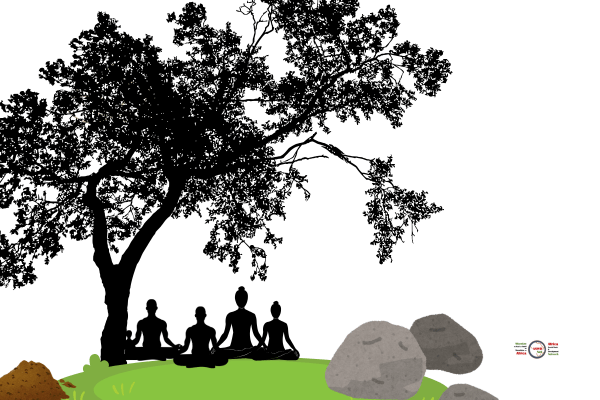
Mindfulness has become a popular word, especially in the wellness world. Yet mindfulness is not new. It is derived from ancient spiritual practices, particularly Zen Buddhism, where it means being deliberately and deeply aware of the present moment, your thoughts, surroundings, and emotions, without judgement. But if we look closely, mindfulness is not foreign to Africa. Our ancestors practised it long before it was given this name.

Buddhism and meditation

Buddhism is a spiritual path and philosophy founded by Siddhartha Gautama, known as the Buddha, in India more than 2,500 years ago. It teaches that suffering is part of life but can be overcome through right understanding, ethical living, and mindful awareness. The ultimate goal is enlightenment, a state of peace and wisdom free from desire and attachment.

In Buddhism, mindfulness is a form of meditation that helps a person to free the mind from distractions and ego, to see reality clearly, and to act from a place of calm awareness. It is used in ceremonies, prayers, and daily activities. For example, in Zen tea ceremonies, every movement is done with deep attention, lifting the cup, pouring water, inhaling the aroma. In many African spiritual practices, this same idea exists: being fully present, respectful, and conscious in each act.

Commom forms of meditation

Some common forms of meditation in Buddhism and related contexts include:

  1. Vipassana (Insight Meditation): observing the body, mind, and sensations to develop insight into the nature of reality.
  2. Samatha (Calm Abiding): focusing on a single object, such as the breath, to develop concentration and tranquillity.
  3. Metta (Loving-kindness Meditation): cultivating feelings of compassion and goodwill towards oneself and others.
  4. Zazen (Seated Meditation): the central practice in Zen Buddhism, involving sitting quietly and observing thoughts without attachment.
  5. Walking Meditation: slow, deliberate walking where each step is taken with awareness of the body and environment.
  6. Mantra Meditation: repeating sacred words or phrases to centre the mind and connect with spiritual energy.
  7. Tonglen (Giving and Receiving Meditation): breathing in the suffering of others and breathing out compassion and healing.
  8. Chanting Meditation: reciting sutras or prayers rhythmically to focus the mind and open the heart.

When elders pour libation, they do so slowly and attentively, calling names of ancestors one by one. When drummers beat the drum in ritual or celebration, they do it with focus and purpose, because the drum is not only an instrument but a language to the spirits. When a community gathers in imbizo, indaba, or dare, people listen carefully and speak thoughtfully. That is mindfulness, awareness of one’s words, presence, and connection to others.

Mindfulness is also embedded in African ceremonies of passage. When a child is born, when someone marries, or when an elder passes away, the community pauses to honour life transitions. That pause, that collective awareness, is mindfulness in action. It reminds us that every moment, even ordinary ones, can be sacred.

Mindfulness in the African sense through Ubuntu

In Africa, mindfulness is not only about the self. It is about relationships with family, community, society, the environment, and spirituality. Ubuntu teaches that “I am because we are.” This philosophy shapes how mindfulness is lived at different levels.

Family

Mindfulness begins at home. When a mother hums softly while preparing food, she is not only cooking but expressing love and care. When parents sit with children at sunset to share stories or proverbs, that is mindfulness, teaching values through attention and presence. Even greetings, offered with both hands or with a bow, reflect mindful respect.

Community

In gatherings such as imbizo or dare, mindfulness is shown through listening without interrupting, waiting for one’s turn to speak, and honouring elders’ voices. During communal work, like harambee or collective farming, mindfulness is shown through cooperation, rhythm, and unity. Every action is done with awareness that it contributes to the wellbeing of others.

Society

Mindfulness at the societal level is seen in how people resolve conflict, show hospitality, and uphold justice. Conflict resolution practices require calm listening and thoughtful response rather than immediate reaction. Market exchanges often begin with conversation and connection before trade, showing mindfulness of relationship before transaction.

Environment

Africans have long practised environmental mindfulness. Before cutting a tree, elders often perform a small ritual to ask permission from the spirits of the land. Farmers plant and harvest according to the seasons and the moon, in harmony with nature’s rhythm. Children are taught not to waste water or food because nature provides for all. This awareness of balance between human and earth is mindfulness in its purest form.

Spirituality

Mindfulness reaches its highest expression in spirituality. During prayers, libation, and ancestral and God remembrance, people quiet their hearts to connect with the unseen world. Silence is sacred, and even the act of breathing can be an offering. Drumming, dancing, and chanting are mindful acts that connect body, spirit, and community.

Mindfulness, therefore, is not only about sitting quietly in meditation. It is about living consciously. It is about recognising the sacred in the everyday, in washing hands before a meal, in greeting with warmth, in working with intention, in silence and reflection. Africa’s version of mindfulness is alive in the songs, rituals, and proverbs that remind us to look back to inform the future (sankofa).

So, the next time you hear about mindfulness, don’t think of it as something imported. Think of it as something remembered, a return to what Africa has always known: that to be fully human is to be fully present.

Use the form below to subscibe to Owia Bulletin.

Africa religion | Spirituality, Motivating

Post navigation

Previous Post: Moving from Western models to African realities in social work and social development training
Next Post: Indigenous ‘hunter gatherer and foraging’ populations of Africa: those present today and those historically documented

Leave a Reply Cancel reply

You must be logged in to post a comment.

AFRICA-WIDE INSTITUTIONS

ASWEA logo

ASWEA

1971-1989

Umoja waAfrika (AU) Former OAU Toto/Brief | Agenda63

ADF

Part of ADB

ASSWA logo

ASSWA

Since 2005

PAWO (AU Arm)

Facebook | X

COUNTRY INFORMATION (SOCIAL WORK & DEVELOPMENT)

  • Algeria ๐Ÿ‡ฉ๐Ÿ‡ฟ
  • Angola ๐Ÿ‡ฆ๐Ÿ‡ด
  • Benin ๐Ÿ‡ง๐Ÿ‡ฏ
  • Botswana ๐Ÿ‡ง๐Ÿ‡ผ
  • Burkina Faso ๐Ÿ‡ง๐Ÿ‡ซ
  • Burundi ๐Ÿ‡ง๐Ÿ‡ฎ
  • Cabo Verde ๐Ÿ‡จ๐Ÿ‡ป
  • Cameroon ๐Ÿ‡จ๐Ÿ‡ฒ
  • Central Africa Republic ๐Ÿ‡จ๐Ÿ‡ซ
  • Chad ๐Ÿ‡น๐Ÿ‡ฉ
  • Comoros ๐Ÿ‡ฐ๐Ÿ‡ฒ
    • Mayotte of Comoro
  • Congo, DR ๐Ÿ‡จ๐Ÿ‡ฉ
  • Congo ๐Ÿ‡จ๐Ÿ‡ฌ
  • Cote D’Ivoire ๐Ÿ‡จ๐Ÿ‡ฎ
  • Djibouti ๐Ÿ‡ฉ๐Ÿ‡ฏ
  • Egypt ๐Ÿ‡ช๐Ÿ‡ฌ
  • Equatorial Guinea ๐Ÿ‡ฌ๐Ÿ‡ถ
  • Eritrea ๐Ÿ‡ช๐Ÿ‡ท
  • Eswatini ๐Ÿ‡ธ๐Ÿ‡ฟ
  • Ethiopia ๐Ÿ‡ช๐Ÿ‡น
  • Gabon ๐Ÿ‡ฌ๐Ÿ‡ฆ
  • Gambia, The ๐Ÿ‡ฌ๐Ÿ‡ฒ
  • Ghana ๐Ÿ‡ฌ๐Ÿ‡ญ
  • Guinea ๐Ÿ‡ฌ๐Ÿ‡ณ
  • Guinea-Bissau ๐Ÿ‡ฌ๐Ÿ‡ผ
  • Kenya ๐Ÿ‡ฐ๐Ÿ‡ช
  • Lesotho ๐Ÿ‡ฑ๐Ÿ‡ธ
  • Liberia ๐Ÿ‡ฑ๐Ÿ‡ท
  • Libya ๐Ÿ‡ฑ๐Ÿ‡พ
  • Madagascar ๐Ÿ‡ฒ๐Ÿ‡ฌ
  • Malawi ๐Ÿ‡ฒ๐Ÿ‡ผ
  • Mali ๐Ÿ‡ฒ๐Ÿ‡ฑ
  • Mauritania ๐Ÿ‡ฒ๐Ÿ‡ท
  • Mauritius ๐Ÿ‡ฒ๐Ÿ‡บ
  • Morocco ๐Ÿ‡ฒ๐Ÿ‡ฆ
  • Mozambique ๐Ÿ‡ฒ๐Ÿ‡ฟ
  • Namibia ๐Ÿ‡ณ๐Ÿ‡ฆ
  • Niger ๐Ÿ‡ณ๐Ÿ‡ช
  • Nigeria ๐Ÿ‡ณ๐Ÿ‡ฌ
  • Rwanda ๐Ÿ‡ท๐Ÿ‡ผ
  • Sao Tome and Principe ๐Ÿ‡ธ๐Ÿ‡น
  • Senegal ๐Ÿ‡ธ๐Ÿ‡ณ
  • Seychelles ๐Ÿ‡ธ๐Ÿ‡จ
  • Sierra Leone ๐Ÿ‡ธ๐Ÿ‡ฑ
  • Somalia ๐Ÿ‡ธ๐Ÿ‡ด
  • South Africa ๐Ÿ‡ฟ๐Ÿ‡ฆ
  • South Sudan ๐Ÿ‡ธ๐Ÿ‡ธ
  • Sudan ๐Ÿ‡ธ๐Ÿ‡ฉ
  • Togo ๐Ÿ‡น๐Ÿ‡ฌ
  • Tanzania ๐Ÿ‡น๐Ÿ‡ฟ
  • Tunisia ๐Ÿ‡น๐Ÿ‡ณ
  • Uganda ๐Ÿ‡บ๐Ÿ‡ฌ
  • Western Sahara (SADR)
  • Zambia ๐Ÿ‡ฟ๐Ÿ‡ฒ
  • Zimbabwe ๐Ÿ‡ฟ๐Ÿ‡ผ
  • โ€œDongoโ€
  • ‘Wakanda’
  • Umoja waAfrica (African Union)
  • Afro-Caribbeans
    • Haiti
  • Afro-Latinos
  • Melanesia
    • Aboriginal Countries
    • Papua New Guinea
    • West Papua
  • Afro-Asians โ€˜Sidiโ€™

Decolonisation Calculator (DECA). What is the rate of decolonisation of social work and development training, education and research in your country? Use this simple calculator.

COVID-19 FINAL UPDATE: Africa Infections: 12.3 million people. Deaths 260 000. World infections: 650 million. Deaths 6.7 million. Data aggregated by ASWDNet on 12 December 2022. View this COVID-19 references list for Africa.

Search

Policies | Protocols | Guidelines | Checklists

  • Ubuntu Acknowledgements
  • AI Policy
  • San Code of Ethics
  • Journal Writing Guide
  • Ubuntu Principles in Fundraising & Charity
  • Comments Policy
  • Publisher Checker
  • Decolonisation Calculator
  • African Research Ethics & Malpractice Statement
  • Privacy & Cookie Policy
  • Email, Data and Social Media Policy
  • Joint African Conference of IFSW & ASSWA in Malawi (2027): How Mtandao members can take part
  • Recognising the work of the African Independent Ethics Committee (AIEC)
  • Hadzabe people’s role in African and global sustainable development
  • Indigenous ‘hunter gatherer and foraging’ populations of Africa: those present today and those historically documented
  • Mindfulness the African Way

Email Sign In


Website Log In


Mfundo | Courses | CPD Log In


Members Portal

COPYRIGHT ยฉ 2020 to 2030: Mtandao - Africa Social Work and Development Network (ASWDNet) | UBUNTU ACKNOWLEDGEMENT - We pay our respects to those who came before us, our Elders and forefathers and mothers, who are the sources and protectors (against colonisation) of the knowledge and wisdom that continue to shape lives, teaching, learning, research, and practice across generations. Because they were, we are. Asante. Siyabonga. Tatenda. Waaw. ร€แนฃรฉ. INDIGENISATION STATEMENT - Mtandao is a pan-African network grounded in Ubuntu. We recognise the sovereignty, knowledge systems and cultural protocols of African and Indigenous peoples, and we use these knowledges as primary frameworks in our publishing, teaching and research.