Skip to content
  • Home
  • About|Join
  • Ethics
  • Events
  • Certificates
  • Decolonise calculators
  • Owia Bulletin
  • Journals
  • Mfundo|CPD
  • Fundi | Dictionary
  • Awards
  • Ushahidi
  • DACCS
  • Kuumba
  • AfroMe
  • Submit
  • Exhibitions
  • Consultancy
  • Catalogue
  • Blog
  • Shop
  • Contact us
  • Twitter
  • Facebook
  • LinkedIn
  • YouTube
  • Academia AJSW
  • Instagram
  • TikTok
Africa Social Work and Development Network | Mtandao waKazi zaJamii naMaendeleo waAfrica
Africa Social Work & Development Network | Mtandao waKazi zaJamii naMaendeleo waAfrika

Africa Social Work & Development Network | Mtandao waKazi zaJamii naMaendeleo waAfrika

We create, aggregate and disseminate information and resources to facilitate Social Work and Social Development in Africa.

  • ACADEMICS
    • Lecture Resources
    • Lectures
    • Fieldwork Resources
    • Approaches to assessing learning
    • Types of University Assessments
    • ASWDNet Guide to Writing (Journals)
    • ASWDNet Guide to Writing and Publishing
  • PRACTITIONERS
    • Values and Ethics in Africa
    • Africa Social Work and Development Awards
    • Continuous Professional Development (CPD)
    • Templates, Models, Frameworks, Assessment Tools and Questionnaires
    • African Theories
    • Supervision
  • STUDENTS
    • Day of the African Child Conference of Students (DACCS)
    • 12 Steps to Get Published
    • Tips for Prospective Doctoral Students
    • ASWDNet Guide to Writing (Academic Research Brief| Proposal | Thesis)
    • Writing a journal article could be as easy as making fufu, nsima, ugali or matoke!
    • Lectures
    • Glossary of Publishing Terms
  • RESEARCHERS
    • Research Methods
    • Qualitative data levels of analysis
    • African Independent Ethics Committee (AIEC)
    • Research Questions Bank
    • Publisher/Journal Checker
    • Research Strategies
    • Reviewers
    • Ubuntu Research Group (URG)
    • Kuumba (Mentoring)
      • SURVEY OF SOCIAL PROBLEMS AND CHALLENGES FOR AFRICA
      • Mentees
      • Mentors
      • Guidelines
    • Afrocentric Mentoring Project (AfroME)
  • ASSOCIATIONS
  • TRAINING INSTITUTIONS
  • COMMUNITIES
    • Ubuntu Fundraising and Charity Principles
    • COVID-19
    • Social Work for Children
    • Funda KiSwahili
  • MEMBERS
  • African Philosophy
  • African Theories
  • Research Methods
  • Library | Databases
  • Social Work
    • Social Work Education institutions (SWEI) in Africa
    • Biography of Social Development in Africa
      • Charlotte Makgomo-Mannya Maxeke (1871-1939)
      • Zahia Marzouk (1906 – 1988)
      • Regina Gelana Twala (1908-1968)
      • Mai Musodzi Chibhaga Ayema (1885-1952)
      • Nnoseng Ellen Kate Kuzwayo (1914 – 2006)
      • Joshua Mqabuko Nyongolo Nkomo (19 June 1917 – 1 July 1999)
      • Jairos Jiri (1921 – 1982)
      • Kenneth Buchizya Kaunda (1924-2021)
      • John Samuel Mbiti (1931-2019)
      • Gibson Mthuthuzeli Kent (1932-2004)
      • Winnie Madikizela-Mandela 1936–2016
      • Ngugi wa Mirii (1951 – May 3, 2008)
      • Andrew Chad Nyanguru (28 Mar 1953-14 May 2014)
      • Professor Rodreck Mupedziswa
      • Edwell Kaseke (1954-2017)
      • Lovemore Mbigi
      • Selassie Seyoum Gebre (1936-)
      • Arega Yimam (-c1989)
      • Dr Noel Garikai Muridzo
      • Dr Edmos Mthethwa
      • Phillip Manyanye Bohwasi
      • Wassie Kebede
      • Gidraph G Wairire
      • Wangari Muta Maathai
      • Uzoma Odera Okoye, Dr
    • Social Work Journals and Other Serial Publications in Africa (ASWDNet Index)
    • Association of Social Work Education in Africa (ASWEA) – 1965 to 1989
    • Future of Social Work in Africa
    • Environmental Social Work
  • Development
  • Ubuntu
    • Ubuntu Research Group (URG)
    • Ushahidi Platform
    • Ubuntu Fundraising and Charity Principles
    • Ubuntu Bibliography
    • Ubuntu Survey
    • Ubuntu Annual Lecture
    • Ubuntu Interview Guide Sample
  • Africa
    • African Anthem (African Union)
    • Umoja waAfrica (African Union)
    • African symbols and alphabets
    • Fundi – The African Dictionary and Encyclopaedia of Social Work and Development
    • Africa Religion (uAfrica)
    • Africa Research Ethics and Malpractice Statement (AREMS)
    • The San Code of Research Ethics (San Code)
  • Blog
    • Our Ubuntu-inspired Comments Policy
    • Become a Blogger
  • Mfundo | CPD
    • Courses
      • Mental Health Masterclass - Friendship Bench
      • Ubuntu Basics Course
      • Research Ethics Course (REC)
      • Peer Reviewers Course (Hwe Mu Dua)
    • Profile
    • How to do Mfundo courses
    • Mfundo Terms and Conditions

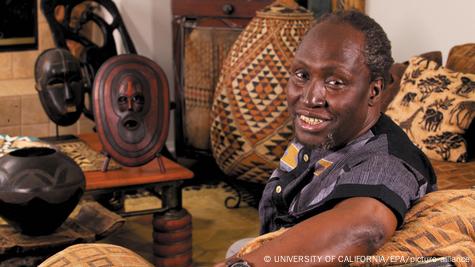
Pumzika Mzee Ngugi waThiongo

Posted on 31 May 202531 May 2025 By Rugare Mugumbate

Mzee Ngugi, son of Thiongo died at the age 87 on 28 May this week. Rest well, pumzika, Mzee. He was born 1938, Kamirithu, Kenya. He studied at the renowned Makerere University in Uganda.

His family participated in decolonisation of Kenyan land from the British. One brother was killed in the Mau Mau Uprising and another brother was actively involved in the Kenya Land and Freedom Army. His mother was tortured.

Ngugi was well known for decolonisation on a personal level and at the societal level. On a personal level he rejected the Christian English name James he got after baptism and popularised creating and writing books in his African language, Gikuyu. On a societal level, he challenged Africans, especially politicians from perpetuating the ways of the coloniser. Though the African politicians were not happy, they got the messages through his publications and plays such as Ngaahika Ndeenda and Petals of Blood but politicians such as former president Daniel Arap Moi were sometimes brutal, imprisoning and harassing him. As a result, he went into exile, where he died this year after living for several years.

Ngugi’s worked has come together in a theory of decolonising the mind (use button below access the theory). For him, colonial languages, colonial religions and colonial literature are major ingredients for decolonising minds.

Theory of Decolonising the Mind by Ngugi waThiongo

His works include:

  • Weep not, Child (1964)
  • Matigari (1986)
  • Wizard of the Crow or Murogi wa Kagogo (2006)
  • The Black Hermit (1968); A Grain of Wheat, 1967
  • The River Between (1965)
  • Petals of blood (1977)
  • Decolonizing the Mind (1986)
  • Moving the Centre: The Struggle for Cultural Freedom (1993)
  • Moving the Center (1994)
  • Penpoints, Gunpoints and Dreams (1998) and many others.

Pumzika, Mzee Ngugi waThingo

1938-2005
Wazee Tags:Decolonise

Post navigation

Previous Post: Africa’s Agenda 2040 for Children: Fostering an Africa Fit for Children elaborates on the vision of Agenda 2063 in respect of children
Next Post: The USA, Trump and Musk are wrong about land and ‘genocide’ in South Africa

AFRICA-WIDE INSTITUTIONS

ASWEA logo

ASWEA

1971-1989

Umoja waAfrika (AU) Former OAU Toto/Brief | Agenda63

ADF

Part of ADB

ASSWA logo

ASSWA

Since 2005

PAWO (AU Arm)

Facebook | X

COUNTRY INFORMATION

  • Algeria 🇩🇿
  • Angola 🇦🇴
  • Benin 🇧🇯
  • Botswana 🇧🇼
  • Burkina Faso 🇧🇫
  • Burundi 🇧🇮
  • Cabo Verde 🇨🇻
  • Cameroon 🇨🇲
  • Central African Republic 🇨🇫
  • Chad 🇹🇩
  • Comoros 🇰🇲
    • Mayotte of Comoro
  • Congo, DR 🇨🇩
  • Congo 🇨🇬
  • Cote D’Ivoire 🇨🇮
  • Djibouti 🇩🇯
  • Egypt 🇪🇬
  • Equatorial Guinea 🇬🇶
  • Eritrea 🇪🇷
  • Eswatini 🇸🇿
  • Ethiopia 🇪🇹
  • Gabon 🇬🇦
  • Gambia, The 🇬🇲
  • Ghana 🇬🇭
  • Guinea 🇬🇳
  • Guinea-Bissau 🇬🇼
  • Kenya 🇰🇪
  • Lesotho 🇱🇸
  • Liberia 🇱🇷
  • Libya 🇱🇾
  • Madagascar 🇲🇬
  • Malawi 🇲🇼
  • Mali 🇲🇱
  • Mauritania 🇲🇷
  • Mauritius 🇲🇺
  • Morocco 🇲🇦
  • Mozambique 🇲🇿
  • Namibia 🇳🇦
  • Niger 🇳🇪
  • Nigeria 🇳🇬
  • Rwanda 🇷🇼
  • Sao Tome and Principe 🇸🇹
  • Senegal 🇸🇳
  • Seychelles 🇸🇨
  • Sierra Leone 🇸🇱
  • Somalia 🇸🇴
  • South Africa 🇿🇦
  • South Sudan 🇸🇸
  • Sudan 🇸🇩
  • Togo 🇹🇬
  • Tanzania 🇹🇿
  • Tunisia 🇹🇳
  • Uganda 🇺🇬
  • Western Sahara (SADR)
  • Zambia 🇿🇲
  • Zimbabwe 🇿🇼
  • “Dongo”
  • ‘Wakanda’
  • Umoja waAfrica (African Union)
  • Afro-Caribbeans
    • Haiti
  • Afro-Latinos
  • Melanesia
    • Aboriginal Countries
    • Papua New Guinea
    • West Papua
  • Afro-Asians ‘Sidi’

Decolonisation Calculator (DECA). What is the rate of decolonisation of social work and development training, education and research in your country? Use this simple calculator.

COVID-19 FINAL UPDATE: Africa Infections: 12.3 million people. Deaths 260 000. World infections: 650 million. Deaths 6.7 million. Data aggregated by ASWDNet on 12 December 2022. View this COVID-19 references list for Africa.

Search

Policies | Protocols | Guidelines | Checklists

  • Ubuntu Acknowledgements
  • AI Policy
  • San Code of Ethics
  • Journal Writing Guide
  • Ubuntu Principles in Fundraising & Charity
  • Comments Policy
  • Publisher Checker
  • Decolonisation Calculator
  • African Research Ethics & Malpractice Statement
  • Privacy & Cookie Policy
  • Email, Data and Social Media Policy
  • Comments Policy

Recent Posts

  • Nommo: an African relational research method that values griots (human libraries), speech and narratives
  • Artificial Intelligence for Ubuntu Studies (AI4US): a ScienceOpen collection
  • How to decolonise your use of Claude.AI?
  • China’s Society Work and the decolonisation of Social Work: Meaning, reasons and implications for Africa
  • Joint African Conference of IFSW & ASSWA in Malawi (2027): How Mtandao members can take part

Email Sign In


Website Log In


Mfundo | Courses | CPD Log In


Members Portal

COPYRIGHT © 2020 to 2030: Mtandao - Africa Social Work and Development Network (ASWDNet) | UBUNTU ACKNOWLEDGEMENT - We pay our respects to those who came before us, our Elders and forefathers and mothers, who are the sources and protectors (against colonisation) of the knowledge and wisdom that continue to shape lives, teaching, learning, research, and practice across generations. Because they were, we are. Asante. Siyabonga. Tatenda. Waaw. Àṣé. INDIGENISATION STATEMENT - Mtandao is a pan-African network grounded in Ubuntu. We recognise the sovereignty, knowledge systems and cultural protocols of African and Indigenous peoples, and we use these knowledges as primary frameworks in our publishing, teaching and research.