Skip to content
  • Home
  • About|Join
  • Ethics
  • Events
  • Certificates
  • Owia Bulletin
  • Journals
  • DecoloniseCalculators
  • Mfundo|CPD
  • FundiDictionary
  • Awards
  • Ushahidi
  • DACCS
  • Kuumba
  • AfroMe
  • Submit
  • WSWSD Conference Nairobi | Mtandao Exhibition
  • Consultancy
  • Catalogue
  • Blog
  • Shop
  • Contact us
  • Twitter
  • Facebook
  • LinkedIn
  • YouTube
  • Academia AJSW
  • Instagram
  • TikTok
Africa Social Work and Development Network | Mtandao waKazi zaJamii naMaendeleo waAfrica
Africa Social Work & Development Network | Mtandao waKazi zaJamii naMaendeleo waAfrika

Africa Social Work & Development Network | Mtandao waKazi zaJamii naMaendeleo waAfrika

We create, aggregate and disseminate information and resources to facilitate Social Work and Social Development in Africa.

  • ACADEMICS
    • Lecture Resources
    • Lectures
    • Fieldwork Resources
    • Approaches to assessing learning
    • Book Publishing
      • Book_Professional Social Work in Zimbabwe
    • Types of University Assessments
    • ASWDNet Guide to Writing (Journals)
    • ASWDNet Guide to Writing and Publishing
  • PRACTITIONERS
    • Values and Ethics in Africa
    • Africa Social Work and Development Awards
    • Continuous Professional Development (CPD)
    • Templates, Models, Frameworks, Assessment Tools and Questionnaires
    • African Theories
    • Supervision
  • STUDENTS
    • Social Work and Development Student Conference (SWDSC)
    • 12 Steps to Get Published
    • Tips for Prospective Doctoral Students
    • ASWDNet Guide to Writing (Academic Research Brief| Proposal | Thesis)
    • Writing a journal article could be as easy as making fufu, nsima, ugali or matoke!
    • Lectures
    • Glossary of Publishing Terms
  • RESEARCHERS
    • Research Methods
    • Qualitative data levels of analysis
    • African Independent Ethics Committee (AIEC)
    • Research Questions Bank
    • Publisher/Journal Checker
    • Research Strategies
    • Reviewers
    • Ubuntu Research Group (URG)
    • Kuumba (Mentoring)
      • SURVEY OF SOCIAL PROBLEMS AND CHALLENGES FOR AFRICA
      • Mentees
      • Mentors
      • Guidelines
    • Afrocentric Mentoring Project (AfroME)
  • ASSOCIATIONS
  • TRAINING INSTITUTIONS
  • COMMUNITIES
    • Ubuntu Fundraising and Charity Principles
    • COVID-19
    • Social Work for Children
    • Funda KiSwahili
  • MEMBERS
  • Africa Philosophy
  • African Theories
  • Research Methods
  • Library | Databases
  • Social Work
    • Social Work Education institutions (SWEI) in Africa
    • Biography of Social Development in Africa
      • Charlotte Makgomo-Mannya Maxeke (1871-1939)
      • Zahia Marzoukย (1906 โ€“ 1988)
      • Regina Gelana Twala (1908-1968)
      • Mai Musodzi Chibhaga Ayema (1885-1952)
      • Nnoseng Ellen Kate Kuzwayo (1914 โ€“ 2006)
      • Joshua Mqabuko Nyongolo Nkomo (19 June 1917 โ€“ 1 July 1999)
      • Jairos Jiri (1921 โ€“ 1982)
      • Kenneth Buchizya Kaunda (1924-2021)
      • John Samuel Mbiti (1931-2019)
      • Gibson Mthuthuzeli Kent (1932-2004)
      • Winnie Madikizela-Mandela 1936โ€“2016
      • Ngugi wa Mirii (1951 โ€“ May 3, 2008)
      • Andrew Chad Nyanguru (28 Mar 1953-14 May 2014)
      • Professor Rodreck Mupedziswa
      • Edwell Kaseke (1954-2017)
      • Lovemore Mbigi
      • Selassie Seyoum Gebre (1936-)
      • Arega Yimam (-c1989)
      • Dr Noel Garikai Muridzo
      • Dr Edmos Mthethwa
      • Phillip Manyanye Bohwasi
      • Wassie Kebede
      • Gidraph G Wairire
      • Wangari Muta Maathai
      • Uzoma Odera Okoye, Dr
    • Social Work Journals and Other Serial Publications in Africa (ASWDNet Index)
    • Association of Social Work Education in Africa (ASWEA) โ€“ 1965 to 1989
    • Future of Social Work in Africa
    • Environmental Social Work
  • Development
    • Developmental Work Database
  • Ubuntu
    • Ubuntu Research Group (URG)
    • Ushahidi Platform
    • Ubuntu Fundraising and Charity Principles
    • Ubuntu Bibliography
    • Ubuntu Survey
    • Ubuntu Annual Lecture
    • Ubuntu Interview Guide Sample
  • Africa
    • African Anthem (African Union)
    • Umoja waAfrica (African Union)
    • African symbols and alphabets
    • Fundi โ€“ The African Dictionary and Encyclopaedia of Social Work and Development
    • Africa Religion (uAfrica)
    • Africa Research Ethics and Malpractice Statement (AREMS)
    • The San Code of Research Ethics (San Code)
  • Blog
    • Our Ubuntu-inspired Comments Policy
    • Become a Blogger
    • Admin ASWDNet
    • Babekazi
    • Professor Roy@Indigenous Social Work
    • Mutape J.D.S Sithole
    • Alemayehu Gebru from Ethiopia, Jimma City
    • Rugare Mugumbate
    • Decolonise
    • Writing and Publishing
    • Development
    • Toto
    • Ms. Alexandra Thokozile Mliswa (MSc,LLB, BA)
    • Environmental work
    • Africa religion | Spirituality
    • Kudzai Mwapaura blogger
    • All Posts Basket
  • Mfundo | CPD
    • Profile
    • Mfundo|Training
    • Mental Health Masterclass
    • Research Ethics Course (REC)
    • Ubuntu Basics Course
    • Peer Reviewers Course (Hwe Mu Dua)
    • How to do Mfundo courses
    • Mfundo Terms and Conditions

Protection of ‘tribal’ Indigenous peoples in India: Lessons for Africa

Posted on 8 October 20268 October 2026 By Babe Kazi No Comments on Protection of ‘tribal’ Indigenous peoples in India: Lessons for Africa

Table of Contents

  • Protection of tribal peoples in India
    • Who are the 'tribal' Indigenous people
    • Laws and policies
    • Some challenges
  • Implications for individual and social and development workers advocating for Indigenous peoples in Africa

Protection of tribal peoples in India

Who are the ‘tribal’ Indigenous people

India’s ‘tribal’ indigenous communities, known as Adivasis, are the Indigenous peoples recognised under the Constitution as Scheduled Tribes. They are believed to be the earliest inhabitants of the Indian subcontinent, predating Aryan migration. Genetic and anthropological evidence links many of them to early Out of Africa migrations. Groups like the Andamanese show close ancestral ties with African populations. These communities are often categorised as Australoid, sharing physical and genetic characteristics with Indigenous groups in Africa, Southeast Asia, and Australia.

Laws and policies

India has developed a strong legal framework to protect the rights, lands, and cultures of tribal peoples. The Constitution’s Fifth and Sixth Schedules establish governance structures in tribal-majority regions called Scheduled Areas, protecting tribal land and enabling self-rule. Article 244 supports the administration of these areas, while Article 275 allocates central funding for tribal development. Article 46 directs the state to safeguard the economic and educational interests of Scheduled Tribes and protect them from social injustice. The Forest Rights Act (FRA) of 2006 recognises the traditional land and resource rights of forest-dwelling tribes, allowing them to manage and conserve their forests. The SC/ST (Prevention of Atrocities) Act of 1989 offers legal protection against violence, discrimination, and forced displacement, with provisions for special courts and victim rehabilitation. Additionally, the Ministry of Tribal Affairs runs the Minimum Support Price (MSP) Scheme for Minor Forest Produce, which ensures fair prices for tribal forest gatherers and strengthens their role in the rural economy.
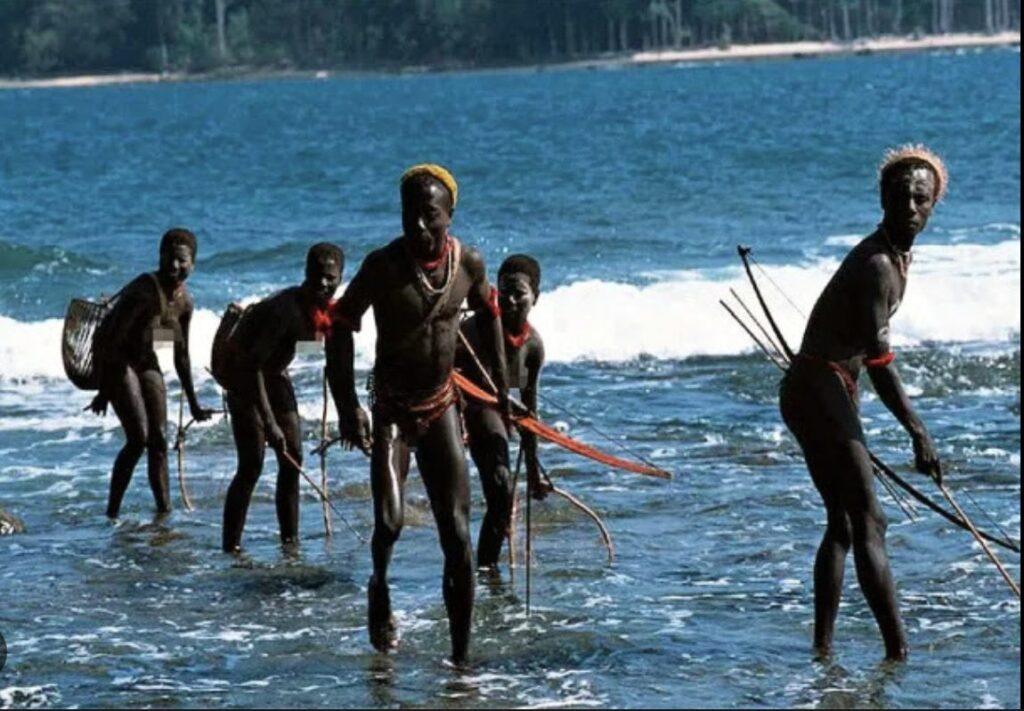
The Sentinel people of India who simply want to be left alone. Read more or watch this video.

Some challenges

Despite strong laws, implementation is uneven. Bureaucratic delays, lack of awareness, and resistance from powerful interests have prevented many tribal communities from realising their full rights. Forest rights are often denied or revoked, and displacement continues due to development projects such as mining, roads, and industrial zones. There are also concerns about proposed amendments to the Fifth Schedule, which could facilitate the transfer of tribal land to non-tribal individuals and corporations, threatening Indigenous sovereignty and survival.

Implications for individual and social and development workers advocating for Indigenous peoples in Africa

Social workers advocating for the rights of groups such as the San, Khoi, Hadzabe, Sandawe, Kush, Bambenga (Mbenga), Bambuti (Mbuti), and Batwa (Twa) can draw key lessons and parallels from India’s legal protections and challenges. These include:

  1. The need for legal recognition
    Like Adivasis in India, many Indigenous African communities remain unrecognised or only partially protected under national constitutions. Social workers must advocate for legal and constitutional recognition of these communities as First Peoples with distinct rights.
  2. Land and resource rights
    The Forest Rights Act in India demonstrates how law can be used to reclaim land and forest access for Indigenous groups. African Indigenous groups similarly require legislation that recognises ancestral territories, especially in the face of land grabs, conservation displacement, and commercial exploitation.
  3. Self-governance and participation
    India’s Scheduled Areas offer a model for local self-governance that could be adapted for African contexts. Social workers should promote community-controlled governance mechanisms such as imbizo, dare, or baraza that reflect Indigenous forms of decision-making.
  4. Protection from violence and discrimination
    India’s SC/ST Act shows the importance of legal tools to prevent violence and ensure justice. Social workers must push for laws in African countries that criminalise cultural erasure, forced evictions, and discrimination against Indigenous groups like the San, Batwa, and Mbenga.
  5. Culturally-informed advocacy
    Just as Indian policies increasingly recognise tribal customs and knowledge systems, African advocacy must be designed with values such as sankofa, and ujamaa in mind. Social work with Indigenous groups should reflect African-centred values, resisting Western-imposed development that marginalises local ways of life.

Use the form below to subscibe to Owia Bulletin.

Admin ASWDNet

Post navigation

Previous Post: Why your next research project needs a dual narrative
Next Post: African-centred practices in human services using the Ubuntu framework

Leave a Reply Cancel reply

You must be logged in to post a comment.

AFRICA-WIDE INSTITUTIONS

ASWEA logo

ASWEA

1971-1989

Umoja waAfrika (AU) Former OAU Toto/Brief | Agenda63

ADF

Part of ADB

ASSWA logo

ASSWA

Since 2005

PAWO (AU Arm)

Facebook | X

COUNTRY INFORMATION (SOCIAL WORK & DEVELOPMENT)

  • Algeria ๐Ÿ‡ฉ๐Ÿ‡ฟ
  • Angola ๐Ÿ‡ฆ๐Ÿ‡ด
  • Benin ๐Ÿ‡ง๐Ÿ‡ฏ
  • Botswana ๐Ÿ‡ง๐Ÿ‡ผ
  • Burkina Faso ๐Ÿ‡ง๐Ÿ‡ซ
  • Burundi ๐Ÿ‡ง๐Ÿ‡ฎ
  • Cabo Verde ๐Ÿ‡จ๐Ÿ‡ป
  • Cameroon ๐Ÿ‡จ๐Ÿ‡ฒ
  • Central Africa Republic ๐Ÿ‡จ๐Ÿ‡ซ
  • Chad ๐Ÿ‡น๐Ÿ‡ฉ
  • Comoros ๐Ÿ‡ฐ๐Ÿ‡ฒ
    • Mayotte of Comoro
  • Congo, DR ๐Ÿ‡จ๐Ÿ‡ฉ
  • Congo ๐Ÿ‡จ๐Ÿ‡ฌ
  • Cote D’Ivoire ๐Ÿ‡จ๐Ÿ‡ฎ
  • Djibouti ๐Ÿ‡ฉ๐Ÿ‡ฏ
  • Egypt ๐Ÿ‡ช๐Ÿ‡ฌ
  • Equatorial Guinea ๐Ÿ‡ฌ๐Ÿ‡ถ
  • Eritrea ๐Ÿ‡ช๐Ÿ‡ท
  • Eswatini ๐Ÿ‡ธ๐Ÿ‡ฟ
  • Ethiopia ๐Ÿ‡ช๐Ÿ‡น
  • Gabon ๐Ÿ‡ฌ๐Ÿ‡ฆ
  • Gambia, The ๐Ÿ‡ฌ๐Ÿ‡ฒ
  • Ghana ๐Ÿ‡ฌ๐Ÿ‡ญ
  • Guinea ๐Ÿ‡ฌ๐Ÿ‡ณ
  • Guinea-Bissau ๐Ÿ‡ฌ๐Ÿ‡ผ
  • Kenya ๐Ÿ‡ฐ๐Ÿ‡ช
  • Lesotho ๐Ÿ‡ฑ๐Ÿ‡ธ
  • Liberia ๐Ÿ‡ฑ๐Ÿ‡ท
  • Libya ๐Ÿ‡ฑ๐Ÿ‡พ
  • Madagascar ๐Ÿ‡ฒ๐Ÿ‡ฌ
  • Malawi ๐Ÿ‡ฒ๐Ÿ‡ผ
  • Mali ๐Ÿ‡ฒ๐Ÿ‡ฑ
  • Mauritania ๐Ÿ‡ฒ๐Ÿ‡ท
  • Mauritius ๐Ÿ‡ฒ๐Ÿ‡บ
  • Morocco ๐Ÿ‡ฒ๐Ÿ‡ฆ
  • Mozambique ๐Ÿ‡ฒ๐Ÿ‡ฟ
  • Namibia ๐Ÿ‡ณ๐Ÿ‡ฆ
  • Niger ๐Ÿ‡ณ๐Ÿ‡ช
  • Nigeria ๐Ÿ‡ณ๐Ÿ‡ฌ
  • Rwanda ๐Ÿ‡ท๐Ÿ‡ผ
  • Sao Tome and Principe ๐Ÿ‡ธ๐Ÿ‡น
  • Senegal ๐Ÿ‡ธ๐Ÿ‡ณ
  • Seychelles ๐Ÿ‡ธ๐Ÿ‡จ
  • Sierra Leone ๐Ÿ‡ธ๐Ÿ‡ฑ
  • Somalia ๐Ÿ‡ธ๐Ÿ‡ด
  • South Africa ๐Ÿ‡ฟ๐Ÿ‡ฆ
  • South Sudan ๐Ÿ‡ธ๐Ÿ‡ธ
  • Sudan ๐Ÿ‡ธ๐Ÿ‡ฉ
  • Togo ๐Ÿ‡น๐Ÿ‡ฌ
  • Tanzania ๐Ÿ‡น๐Ÿ‡ฟ
  • Tunisia ๐Ÿ‡น๐Ÿ‡ณ
  • Uganda ๐Ÿ‡บ๐Ÿ‡ฌ
  • Western Sahara (SADR)
  • Zambia ๐Ÿ‡ฟ๐Ÿ‡ฒ
  • Zimbabwe ๐Ÿ‡ฟ๐Ÿ‡ผ
  • โ€œDongoโ€
  • ‘Wakanda’
  • Umoja waAfrica (African Union)
  • Afro-Caribbeans
    • Haiti
  • Afro-Latinos
  • Melanesia
    • Aboriginal Countries
    • Papua New Guinea
    • West Papua
  • Afro-Asians โ€˜Sidiโ€™

Decolonisation Calculator (DECA). What is the rate of decolonisation of social work and development training, education and research in your country? Use this simple calculator.

COVID-19 FINAL UPDATE: Africa Infections: 12.3 million people. Deaths 260 000. World infections: 650 million. Deaths 6.7 million. Data aggregated by ASWDNet on 12 December 2022. View this COVID-19 references list for Africa.

Search

Policies | Protocols | Guidelines | Checklists

  • Ubuntu Acknowledgements
  • AI Policy
  • San Code of Ethics
  • Journal Writing Guide
  • Ubuntu Principles in Fundraising & Charity
  • Comments Policy
  • Publisher Checker
  • Decolonisation Calculator
  • African Research Ethics & Malpractice Statement
  • Privacy & Cookie Policy
  • Email, Data and Social Media Policy
  • African-centred practices in human services using the Ubuntu framework
  • Protection of ‘tribal’ Indigenous peoples in India: Lessons for Africa
  • Why your next research project needs a dual narrative
  • Twenty four (24) students now have their abstracts published in an indexed journal
  • Indigenous midwifery and what it means for social development

Email Sign In


Website Log In


Mfundo | Courses | CPD Log In


Members Portal

COPYRIGHT ยฉ 2020 to 2030: Mtandao - Africa Social Work and Development Network (ASWDNet) | UBUNTU ACKNOWLEDGEMENT - We pay our respects to those who came before us, our Elders and forefathers and mothers, who are the sources and protectors (against colonisation) of the knowledge and wisdom that continue to shape lives, teaching, learning, research, and practice across generations. Because they were, we are. Asante. Siyabonga. Tatenda. Waaw. ร€แนฃรฉ.