
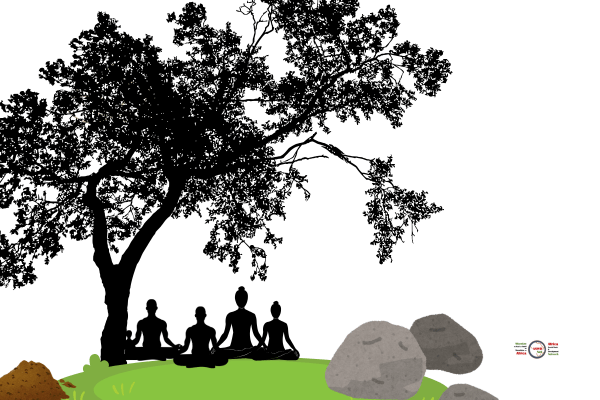
Mindfulness the African Way
Mindfulness has become a popular word, especially in the wellness world. Yet mindfulness is not new. It is derived from ancient spiritual practices, particularly Zen Buddhism, where it means being deliberately and deeply aware of the present moment, your thoughts, surroundings, and emotions, without judgement. But if we look closely, mindfulness is not foreign to Africa. Our ancestors practised it long before it was given this name.
Buddhism and meditation
Buddhism is a spiritual path and philosophy founded by Siddhartha Gautama, known as the Buddha, in India more than 2,500 years ago. It teaches that suffering is part of life but can be overcome through right understanding, ethical living, and mindful awareness. The ultimate goal is enlightenment, a state of peace and wisdom free from desire and attachment.
In Buddhism, mindfulness is a form of meditation that helps a person to free the mind from distractions and ego, to see reality clearly, and to act from a place of calm awareness. It is used in ceremonies, prayers, and daily activities. For example, in Zen tea ceremonies, every movement is done with deep attention, lifting the cup, pouring water, inhaling the aroma. In many African spiritual practices, this same idea exists: being fully present, respectful, and conscious in each act.
Commom forms of meditation
Some common forms of meditation in Buddhism and related contexts include:
- Vipassana (Insight Meditation): observing the body, mind, and sensations to develop insight into the nature of reality.
- Samatha (Calm Abiding): focusing on a single object, such as the breath, to develop concentration and tranquillity.
- Metta (Loving-kindness Meditation): cultivating feelings of compassion and goodwill towards oneself and others.
- Zazen (Seated Meditation): the central practice in Zen Buddhism, involving sitting quietly and observing thoughts without attachment.
- Walking Meditation: slow, deliberate walking where each step is taken with awareness of the body and environment.
- Mantra Meditation: repeating sacred words or phrases to centre the mind and connect with spiritual energy.
- Tonglen (Giving and Receiving Meditation): breathing in the suffering of others and breathing out compassion and healing.
- Chanting Meditation: reciting sutras or prayers rhythmically to focus the mind and open the heart.
When elders pour libation, they do so slowly and attentively, calling names of ancestors one by one. When drummers beat the drum in ritual or celebration, they do it with focus and purpose, because the drum is not only an instrument but a language to the spirits. When a community gathers in imbizo, indaba, or dare, people listen carefully and speak thoughtfully. That is mindfulness, awareness of one’s words, presence, and connection to others.
Mindfulness is also embedded in African ceremonies of passage. When a child is born, when someone marries, or when an elder passes away, the community pauses to honour life transitions. That pause, that collective awareness, is mindfulness in action. It reminds us that every moment, even ordinary ones, can be sacred.
Mindfulness in the African sense through Ubuntu
In Africa, mindfulness is not only about the self. It is about relationships with family, community, society, the environment, and spirituality. Ubuntu teaches that “I am because we are.” This philosophy shapes how mindfulness is lived at different levels.
Family
Mindfulness begins at home. When a mother hums softly while preparing food, she is not only cooking but expressing love and care. When parents sit with children at sunset to share stories or proverbs, that is mindfulness, teaching values through attention and presence. Even greetings, offered with both hands or with a bow, reflect mindful respect.
Community
In gatherings such as imbizo or dare, mindfulness is shown through listening without interrupting, waiting for one’s turn to speak, and honouring elders’ voices. During communal work, like harambee or collective farming, mindfulness is shown through cooperation, rhythm, and unity. Every action is done with awareness that it contributes to the wellbeing of others.
Society
Mindfulness at the societal level is seen in how people resolve conflict, show hospitality, and uphold justice. Conflict resolution practices require calm listening and thoughtful response rather than immediate reaction. Market exchanges often begin with conversation and connection before trade, showing mindfulness of relationship before transaction.
Environment
Africans have long practised environmental mindfulness. Before cutting a tree, elders often perform a small ritual to ask permission from the spirits of the land. Farmers plant and harvest according to the seasons and the moon, in harmony with nature’s rhythm. Children are taught not to waste water or food because nature provides for all. This awareness of balance between human and earth is mindfulness in its purest form.
Spirituality
Mindfulness reaches its highest expression in spirituality. During prayers, libation, and ancestral and God remembrance, people quiet their hearts to connect with the unseen world. Silence is sacred, and even the act of breathing can be an offering. Drumming, dancing, and chanting are mindful acts that connect body, spirit, and community.
Mindfulness, therefore, is not only about sitting quietly in meditation. It is about living consciously. It is about recognising the sacred in the everyday, in washing hands before a meal, in greeting with warmth, in working with intention, in silence and reflection. Africa’s version of mindfulness is alive in the songs, rituals, and proverbs that remind us to look back to inform the future (sankofa).
So, the next time you hear about mindfulness, don’t think of it as something imported. Think of it as something remembered, a return to what Africa has always known: that to be fully human is to be fully present.
Use the form below to subscibe to Owia Bulletin.