Skip to content
  • Home
  • About|Join
  • Ethics
  • Events
  • Certificates
  • OwiaBulletin
  • Journals
  • DecolonisingCalculators
  • Mfundo|Training
  • FundiDictionary
  • Awards
  • Ushahidi
  • DACC
  • Bookshop
  • Twitter
  • Facebook
  • LinkedIn
  • YouTube
  • Academia AJSW
Africa Social Work and Development Network | Mtandao waKazi zaJamii naMaendeleo waAfrica
Africa Social Work & Development Network | Mtandao waKazi zaJamii naMaendeleo waAfrika

Africa Social Work & Development Network | Mtandao waKazi zaJamii naMaendeleo waAfrika

Mtandao creates, aggregates and disseminates information and resources to facilitate Social Work and Development Work in Africa.

  • ACADEMICS
    • Lecture Resources
    • Lectures
    • Fieldwork Resources
    • Types of University Assessments
    • Book Publishing
      • Book_Professional Social Work in Zimbabwe
    • ASWDNet Guide to Writing (Journals)
    • ASWDNet Guide to Writing and Publishing
  • PRACTITIONERS
    • Values and Ethics in Africa
    • Africa Social Work and Development Awards
    • Continuous Professional Development (CPD)
    • Templates, Models, Frameworks and Assessment Tools
    • African Theories
    • Supervision
  • STUDENTS
    • Social Work and Development Student Conference (SWDSC)
    • 12 Steps to Get Published
    • Tips for Prospective Doctoral Students
    • ASWDNet Guide to Writing (Academic Research Brief| Proposal | Thesis)
    • Writing a journal article could be as easy as making fufu, nsima, ugali or matoke!
    • Lectures
  • RESEARCHERS
    • Research Methods
    • African Independent Ethics Committee (AIEC)
    • Research Questions Bank
    • Publisher/Journal Checker
    • Research Strategies
    • Reviewers
    • Ubuntu Research Group (URG)
  • ASSOCIATIONS
  • TRAINING INSTITUTIONS
  • COMMUNITIES
    • Ubuntu Fundraising and Charity Principles
    • COVID-19
    • Social Work for Children
    • Funda KiSwahili
  • MEMBERS
  • Africa Philosophy
  • African Theories
  • Research Methods
  • Library | Databases
  • Social Work
    • Social Work Education institutions (SWEI) in Africa
    • Biography of Social Development in Africa
      • Charlotte Makgomo-Mannya Maxeke (1871-1939)
      • Zahia Marzouk (1906 – 1988)
      • Regina Gelana Twala (1908-1968)
      • Mai Musodzi Chibhaga Ayema (1885-1952)
      • Nnoseng Ellen Kate Kuzwayo (1914 – 2006)
      • Joshua Mqabuko Nyongolo Nkomo (19 June 1917 – 1 July 1999)
      • Jairos Jiri (1921 – 1982)
      • Kenneth Buchizya Kaunda (1924-2021)
      • John Samuel Mbiti (1931-2019)
      • Gibson Mthuthuzeli Kent (1932-2004)
      • Winnie Madikizela-Mandela 1936–2016
      • Ngugi wa Mirii (1951 – May 3, 2008)
      • Andrew Chad Nyanguru (28 Mar 1953-14 May 2014)
      • Professor Rodreck Mupedziswa
      • Edwell Kaseke (1954-2017)
      • Lovemore Mbigi
      • Selassie Seyoum Gebre (1936-)
      • Arega Yimam (-c1989)
      • Dr Noel Garikai Muridzo
      • Dr Edmos Mthethwa
      • Phillip Manyanye Bohwasi
      • Wassie Kebede
      • Gidraph G Wairire
      • Wangari Muta Maathai
      • Uzoma Odera Okoye, Dr
    • Social Work Journals and Other Serial Publications in Africa (ASWDNet Index)
    • Kuumba (Mentoring)
      • SURVEY OF SOCIAL PROBLEMS AND CHALLENGES FOR AFRICA
      • Mentees
      • Mentors
      • Guidelines
    • Association of Social Work Education in Africa (ASWEA) – 1965 to 1989
    • Future of Social Work in Africa
    • Environmental Social Work
  • Development
    • Developmental Work Database
  • Ubuntu
    • Ubuntu Research Group (URG)
    • Ushahidi Platform
    • Ubuntu Fundraising and Charity Principles
    • Ubuntu Bibliography
    • Ubuntu Survey
    • Ubuntu Annual Lecture
    • Ubuntu Interview Guide Sample
  • Africa
    • African Anthem (African Union)
    • Umoja waAfrica (African Union)
    • Fundi – The African Dictionary and Encyclopaedia of Social Work and Development
    • Africa Religion (uAfrica)
    • Africa Research Ethics and Malpractice Statement (AREMS)
    • The San Code of Research Ethics (San Code)
  • Blog
    • Our Ubuntu-inspired Comments Policy
    • Become a Blogger
    • Admin ASWDNet
    • Babekazi
    • Professor Roy@Indigenous Social Work
    • Mutape J.D.S Sithole
    • Alemayehu Gebru from Ethiopia, Jimma City
    • Rugare Mugumbate
    • Decolonise
    • Writing and Publishing
    • Development
    • Toto
    • Ms. Alexandra Thokozile Mliswa (MSc,LLB, BA)
    • Environmental work
    • Africa religion | Spirituality
    • Kudzai Mwapaura blogger
    • All Posts Basket
YOU ARE HERE » Home » Admin ASWDNet » Understanding Nego-feminism and its implications for social work and development
Feedback giving and receiving in publishing: why it matters? Motivating
Truthfulness and falsification, justice, and Indigenous research ethics: Lessons from Ubuntu and the San Code Motivating
Research data: a practical guide Admin ASWDNet

Understanding Nego-feminism and its implications for social work and development

Posted on 6 February 20266 February 2026 By aswnetadmin No Comments on Understanding Nego-feminism and its implications for social work and development
  • What is Nego-feminism?
  • Implications for social work
  • Implications for development
  • Key quotes from Dr. Nnaemeka
  • Meet the theorist: Dr. Obioma Nnaemeka
  • References

When many people think of feminism, they picture protest signs, policy battles, and a direct challenge to the status quo. While that activist model has its place, it doesn’t always translate across all cultures or social landscapes. Nego-feminism, a concept pioneered by Nigerian scholar Obioma Nnaemeka, offers a refreshing, pragmatic, and deeply communal alternative that swaps fighting against for negotiating with.

What is Nego-feminism?

The term Nego is a clever double word rooted in African cultural mental models. It stands for:

  • Negotiation feminism: The art of finding a middle ground through give and take.
  • No-ego feminism: The willingness to set aside individual pride for the sake of communal progress.

Unlike Western feminism, which often centres on individual rights and autonomy, Nego-feminism is built on interdependence. It acknowledges that men and women are inextricably linked within their families and communities. Therefore, progress for women should be achieved through strategies that maintain communal balance rather than creating isolation.

Implications for social work

According to ASWDNet (2021), social work enhances methods of addressing life challenges to increase social functioning and liberation using indigenous knowledges. Nego-feminism aligns with this by providing a framework to:

  • Centre indigenous values by moving away from individualistic approaches and using an African lens of interdependence.
  • Enhance social functioning by acting as mediators who facilitate give and take between genders to reduce domestic friction.
  • Achieve liberation through negotiation where women secure a better position within the community rather than exiting it.

Implications for development

Development is the process of ensuring a community has the tangible and non-tangible goods required to satisfy needs (ASWDNet, 2021). Nego-feminism ensures these goals are met by:

  • Ensuring sustainability of infrastructure through negotiation with traditional power structures to ensure services are accepted and protected.
  • Satisfying non-tangible needs like dignity and respect by respecting the existing social fabric while pruning away harmful practices.
  • Fostering shared prosperity so that developmental goods do not create a gender divide but instead invite men to be part of the solution.

Key quotes from Dr. Nnaemeka

“Nego-feminism is the feminism of negotiation; it is the feminism of no ego.”

“African feminism is not about the death of men… it is about the life of the community.”

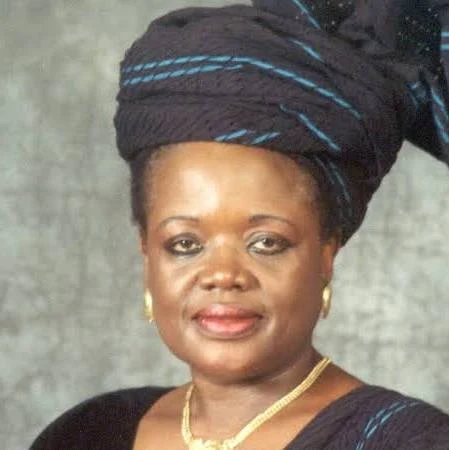
Meet the theorist: Dr. Obioma Nnaemeka

Dr. Obioma Nnaemeka is a world-renowned expert in African studies, gender studies, and human rights. Born in Agulu, Nigeria, she earned her BA from the University of Nigeria, Nsukka, before completing a PhD at the University of Minnesota.

Currently a Chancellor’s Professor at Indiana University Indianapolis, she is the Founder and President of the Association of African Women Scholars and serves as the CEO of the Jessie Obidiegwu Education Fund. Her work has influenced major international bodies, including the United Nations and the World Bank.

References

  • ASWDNet (2021). Definitions of Social Work and Development. African Social Work and Development Network.
  • Nnaemeka, O. (2004). “Nego-Feminism: Theorizing, Practicing, and Pruning Africa’s Way.” Signs: Journal of Women in Culture and Society, 29(2), 357–385.
  • Nnaemeka, O. (2005). Sisterhood, Feminisms, and Power: From Africa to the Diaspora. Africa World Press.
  • University of Minnesota. Distinguished Leadership Award for Internationals: Obioma Nnaemeka.

Share this:

  • Share on WhatsApp (Opens in new window) WhatsApp
  • Share on Facebook (Opens in new window) Facebook
  • Email a link to a friend (Opens in new window) Email
  • Print (Opens in new window) Print
  • Share on LinkedIn (Opens in new window) LinkedIn
  • Share on X (Opens in new window) X
  • Share on Telegram (Opens in new window) Telegram

Like this:

Like Loading...

Use the form below to subscibe to Owia Bulletin.


Discover more from Africa Social Work & Development Network | Mtandao waKazi zaJamii naMaendeleo waAfrika

Subscribe to get the latest posts sent to your email.

Admin ASWDNet, Feminism, Gender Tags:#Women's Day

Post navigation

Previous Post: Africa’s future, social work, and development: lessons from Ghana’s address to the UN General Assembly
Next Post: The Quest for a Corrupt-Free Africa

Habari, I invite you to interact with others on Mtandao by leaving a comment. Asante sana.Cancel reply

AFRICA-WIDE INSTITUTIONS

ASWEA logo

ASWEA 1965-1989

Umoja waAfrika (AU) Former OAU Toto/Brief | Agenda63

ADF

Part of ADB

ASSWA logo

ASSWA

Since 2005

PAWO (AU Arm)

Facebook | X

COUNTRY INFORMATION (SOCIAL WORK & DEVELOPMENT)

  • Algeria 🇩🇿
  • Angola 🇦🇴
  • Benin 🇧🇯
  • Botswana 🇧🇼
  • Burkina Faso 🇧🇫
  • Burundi 🇧🇮
  • Cabo Verde 🇨🇻
  • Cameroon 🇨🇲
  • Central Africa Republic 🇨🇫
  • Chad 🇹🇩
  • Comoros 🇰🇲
    • Mayotte of Comoro
  • Congo, DR 🇨🇩
  • Congo 🇨🇬
  • Cote D’Ivoire 🇨🇮
  • Djibouti 🇩🇯
  • Egypt 🇪🇬
  • Equatorial Guinea 🇬🇶
  • Eritrea 🇪🇷
  • Eswatini 🇸🇿
  • Ethiopia 🇪🇹
  • Gabon 🇬🇦
  • Gambia, The 🇬🇲
  • Ghana 🇬🇭
  • Guinea 🇬🇳
  • Guinea-Bissau 🇬🇼
  • Kenya 🇰🇪
  • Lesotho 🇱🇸
  • Liberia 🇱🇷
  • Libya 🇱🇾
  • Madagascar 🇲🇬
  • Malawi 🇲🇼
  • Mali 🇲🇱
  • Mauritania 🇲🇷
  • Mauritius 🇲🇺
  • Morocco 🇲🇦
  • Mozambique 🇲🇿
  • Namibia 🇳🇦
  • Niger 🇳🇪
  • Nigeria 🇳🇬
  • Rwanda 🇷🇼
  • Sao Tome and Principe 🇸🇹
  • Senegal 🇸🇳
  • Seychelles 🇸🇨
  • Sierra Leone 🇸🇱
  • Somalia 🇸🇴
  • South Africa 🇿🇦
  • South Sudan 🇸🇸
  • Sudan 🇸🇩
  • Togo 🇹🇬
  • Tanzania 🇹🇿
  • Tunisia 🇹🇳
  • Uganda 🇺🇬
  • Western Sahara (SADR)
  • Zambia 🇿🇲
  • Zimbabwe 🇿🇼
  • “Dongo”
  • ‘Wakanda’
  • Umoja waAfrica (African Union)
  • Afro-Caribbeans
    • Haiti
  • Afro-Latinos
  • Melanesia
    • Aboriginal Countries
    • Papua New Guinea
    • West Papua
  • Afro-Asians ‘Sidi’

Timezone Conversion

Decolonisation Calculator (DECA). What is the rate of decolonisation of social work and development training, education and research in your country? Use this simple calculator.

COVID-19 FINAL UPDATE: Africa Infections: 12.3 million people. Deaths 260 000. World infections: 650 million. Deaths 6.7 million. Data aggregated by ASWDNet on 12 December 2022. View this COVID-19 references list for Africa.

Search

Policies | Guidelines | Checklists

  • AI Policy
  • San Code of Ethics
  • Journal Writing Guide
  • Ubuntu Principles in Fundraising & Charity
  • Comments Policy
  • Publisher Checker
  • Decolonisation Calculator
  • African Research Ethics & Malpractice Statement
  • Feedback giving and receiving in publishing: why it matters?
  • Truthfulness and falsification, justice, and Indigenous research ethics: Lessons from Ubuntu and the San Code
  • Research data: a practical guide
  • The Quest for a Corrupt-Free Africa
  • Understanding Nego-feminism and its implications for social work and development

Testimonials

Deeply inspired by Mtandao/ASWDNet’s mission

Dear ASWDNet Team,

I hope this message finds you well.

My name is Hilda Ngaja a social worker based in Tanzania. I recently came across the African Social Work and Development Network (ASWDNet) and was deeply inspired by its mission to create, aggregate, and disseminate African knowledges and to promote social work and development rooted in our values, languages, and lived realities.

As a social worker I strongly resonate with your emphasis on African epistemologies and values such as Ubuntu. I am especially drawn to your commitment to building emancipatory knowledge spaces for social work professionals, students, academics, and communities across the continent.

With this in mind, I would be honoured to join ASWDNet as a member and contribute to its efforts in advancing socially relevant and culturally grounded practice and scholarship in Africa.

Kindly receive the details required

Hilda Ngaja, Bachelor Degree in Social work

Referee, Dr Leah Omari, Lecturer, The Institute of Social Work

Thank you for your important work, and I look forward to hearing from you.

Inspired by Mtandao mission and goals (Bikila Tesfaye, Mtandao member number 143)

I am from the Gambella region, specifically Gambela City in Ethiopia. I joined ASWDNet after searching for membership related to my academic and professional background and was inspired by your mission and goals. I envision collaborating through knowledge and skill sharing, as well as joint initiatives that address common challenges in our communities. I recommend enhancing research, training programmes, and networking opportunities. See my interview here.

Bikila Tesfaye


  • Mtandao website now used in all countries of the world (current stats), please like and comment when you use our resources Admin ASWDNet
  • Social Work and Social Development in Africa Admin ASWDNet
  • Ubuntu Digital Platform on Ushahidi: Presentation by Prof Janestic Twikirize and Eriya Turyamureeba at the International Social Work & Social Development Conference 2025, Uganda Teaching and Learning (Fundo)
  • Fundi – The African Dictionary and Encyclopaedia of Social Work and Development (Version 2.0) This Website
  • Mosquitoes, mistrust and the marginalisation of African researchers Admin ASWDNet
  • Wazee Day 2025: Educate, Empower, Prevent Dementia Wazee
  • Unidisciplinary, multidisciplinary, interdisciplinary, and transdisciplinary approaches in social work and development Motivating
  • Artificial Intelligence (AI), technocolonial and decolonisation in African Social Work Education and Practice Admin ASWDNet

Copyright © 2020-2030 Africa Social Work and Development Network (ASWDNet).

%d