Skip to content
  • Home
  • About|Join
  • Ethics
  • Events
  • Certificates
  • OwiaNews
  • Journals
  • DecoloniseCalculators
  • Mfundo|CPD
  • FundiDictionary
  • Awards
  • Ushahidi
  • DACCS
  • Kuumba
  • Submit
  • WSWSD Conference Nairobi | Mtandao Exhibition
  • Mental Health Masterclass
  • Catalogue
  • Consultancy
  • Shop
  • Twitter
  • Facebook
  • LinkedIn
  • YouTube
  • Academia AJSW
  • Instagram
Africa Social Work and Development Network | Mtandao waKazi zaJamii naMaendeleo waAfrica

Africa Social Work & Development Network | Mtandao waKazi zaJamii naMaendeleo waAfrika

Mtandao creates, aggregates and disseminates information and resources to facilitate Social Work and Development Work in Africa.

  • ACADEMICS
    • Lecture Resources
    • Lectures
    • Fieldwork Resources
    • Approaches to assessing learning
    • Book Publishing
      • Book_Professional Social Work in Zimbabwe
    • Types of University Assessments
    • ASWDNet Guide to Writing (Journals)
    • ASWDNet Guide to Writing and Publishing
  • PRACTITIONERS
    • Values and Ethics in Africa
    • Africa Social Work and Development Awards
    • Continuous Professional Development (CPD)
    • Templates, Models, Frameworks, Assessment Tools and Questionnaires
    • African Theories
    • Supervision
  • STUDENTS
    • Social Work and Development Student Conference (SWDSC)
    • 12 Steps to Get Published
    • Tips for Prospective Doctoral Students
    • ASWDNet Guide to Writing (Academic Research Brief| Proposal | Thesis)
    • Writing a journal article could be as easy as making fufu, nsima, ugali or matoke!
    • Lectures
    • Glossary of Publishing Terms
  • RESEARCHERS
    • Research Methods
    • Qualitative data levels of analysis
    • African Independent Ethics Committee (AIEC)
    • Research Questions Bank
    • Publisher/Journal Checker
    • Research Strategies
    • Reviewers
    • Ubuntu Research Group (URG)
    • Kuumba (Mentoring)
      • SURVEY OF SOCIAL PROBLEMS AND CHALLENGES FOR AFRICA
      • Mentees
      • Mentors
      • Guidelines
    • Afrocentric Mentoring Project (AfroME)
      • Team
      • Partners
      • Call for Applications for the Afrocentric and Decolonial Social Work Mentoring Project (now closed)
  • ASSOCIATIONS
  • TRAINING INSTITUTIONS
  • COMMUNITIES
    • Ubuntu Fundraising and Charity Principles
    • COVID-19
    • Social Work for Children
    • Funda KiSwahili
  • MEMBERS
  • Africa Philosophy
  • African Theories
  • Research Methods
  • Library | Databases
  • Social Work
    • Social Work Education institutions (SWEI) in Africa
    • Biography of Social Development in Africa
      • Charlotte Makgomo-Mannya Maxeke (1871-1939)
      • Zahia Marzoukย (1906 โ€“ 1988)
      • Regina Gelana Twala (1908-1968)
      • Mai Musodzi Chibhaga Ayema (1885-1952)
      • Nnoseng Ellen Kate Kuzwayo (1914 โ€“ 2006)
      • Joshua Mqabuko Nyongolo Nkomo (19 June 1917 โ€“ 1 July 1999)
      • Jairos Jiri (1921 โ€“ 1982)
      • Kenneth Buchizya Kaunda (1924-2021)
      • John Samuel Mbiti (1931-2019)
      • Gibson Mthuthuzeli Kent (1932-2004)
      • Winnie Madikizela-Mandela 1936โ€“2016
      • Ngugi wa Mirii (1951 โ€“ May 3, 2008)
      • Andrew Chad Nyanguru (28 Mar 1953-14 May 2014)
      • Professor Rodreck Mupedziswa
      • Edwell Kaseke (1954-2017)
      • Lovemore Mbigi
      • Selassie Seyoum Gebre (1936-)
      • Arega Yimam (-c1989)
      • Dr Noel Garikai Muridzo
      • Dr Edmos Mthethwa
      • Phillip Manyanye Bohwasi
      • Wassie Kebede
      • Gidraph G Wairire
      • Wangari Muta Maathai
      • Uzoma Odera Okoye, Dr
    • Social Work Journals and Other Serial Publications in Africa (ASWDNet Index)
    • Association of Social Work Education in Africa (ASWEA) โ€“ 1965 to 1989
    • Future of Social Work in Africa
    • Environmental Social Work
  • Development
    • Developmental Work Database
  • Ubuntu
    • Ubuntu Research Group (URG)
    • Ushahidi Platform
    • Ubuntu Fundraising and Charity Principles
    • Ubuntu Bibliography
    • Ubuntu Survey
    • Ubuntu Annual Lecture
    • Ubuntu Interview Guide Sample
  • Africa
    • African Anthem (African Union)
    • Umoja waAfrica (African Union)
    • African symbols and alphabets
    • Fundi โ€“ The African Dictionary and Encyclopaedia of Social Work and Development
    • Africa Religion (uAfrica)
    • Africa Research Ethics and Malpractice Statement (AREMS)
    • The San Code of Research Ethics (San Code)
  • Blog
    • Our Ubuntu-inspired Comments Policy
    • Become a Blogger
    • Admin ASWDNet
    • Babekazi
    • Professor Roy@Indigenous Social Work
    • Mutape J.D.S Sithole
    • Alemayehu Gebru from Ethiopia, Jimma City
    • Rugare Mugumbate
    • Decolonise
    • Writing and Publishing
    • Development
    • Toto
    • Ms. Alexandra Thokozile Mliswa (MSc,LLB, BA)
    • Environmental work
    • Africa religion | Spirituality
    • Kudzai Mwapaura blogger
    • All Posts Basket
  • Mfundo | CPD
    • Profile
    • Mfundo|Training
    • Research Ethics Course (REC)
    • Ubuntu Basics Course
    • Peer Reviewers Course (Hwe Mu Dua)
    • Mfundo Terms and Conditions

[aioseo_breadcrumbs]
What Children Have to Say: A Love Letter to Eswatini’s Children, and a Gentle Rethink Children
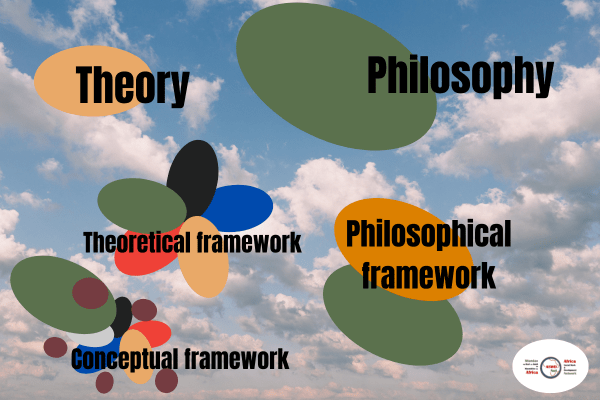
Designing philosophical, theoretical, and conceptual approaches in research Research
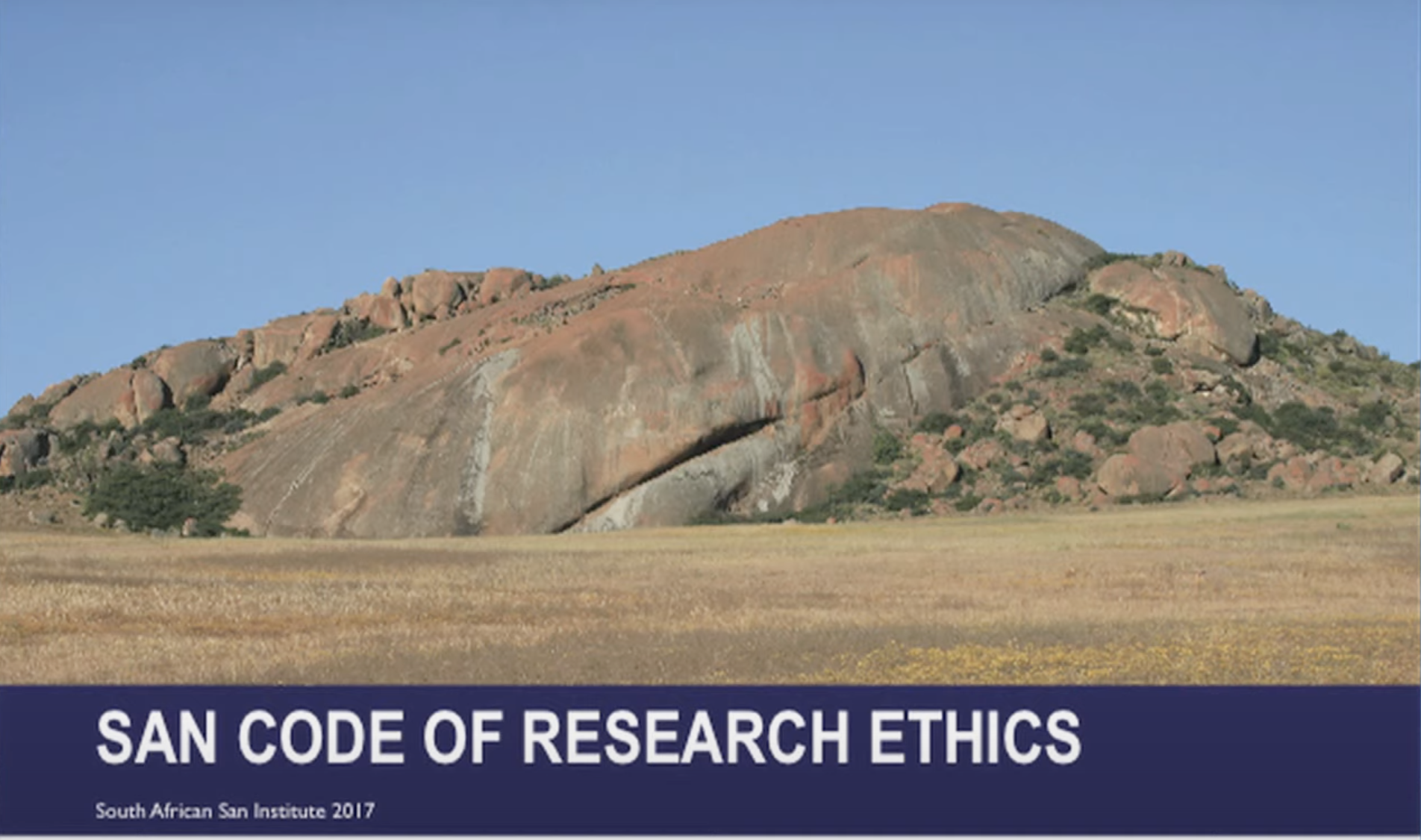
‘Come through the door, not the window’: The San Code of Research Ethics (San Code) Admin ASWDNet

Heri za Kwanzaa (26 Dec – 1 Jan 2024): African American and Pan-African celebration of family, community, culture and heritage
Posted on 14 December 20217 February 2026 By aswnetadmin
  • Theme and message for this year
  • Founding of Kwanzaa
  • Seven principles (nguzo saba) of Kwanzaa
  • How is Kwanzaa celebrated?
  • The seven symbols of Kwanzaa
  • In Karenga’s words
  • Why Africa religion and celebrations are missing?
  • What does this mean for Africa?
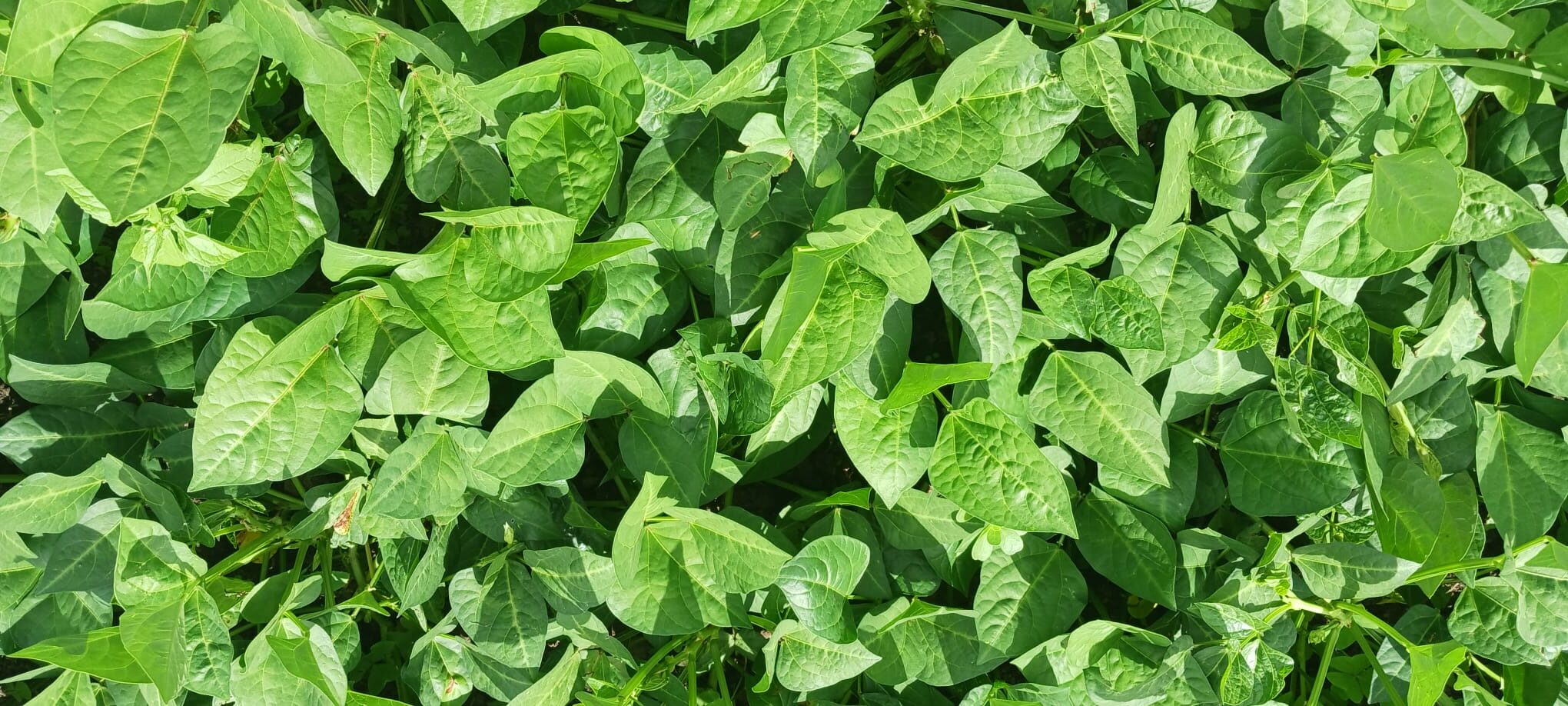
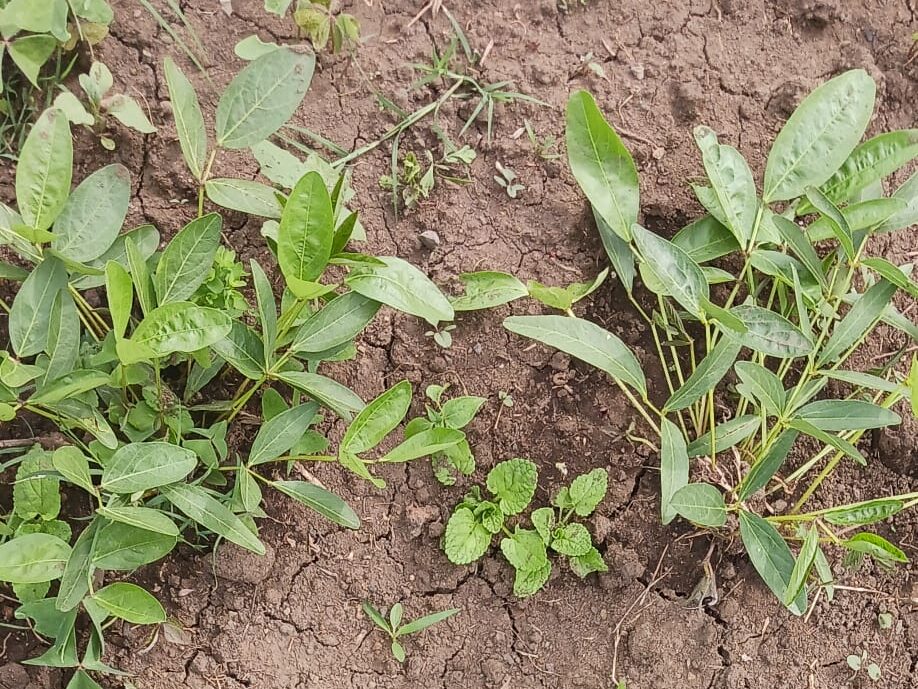
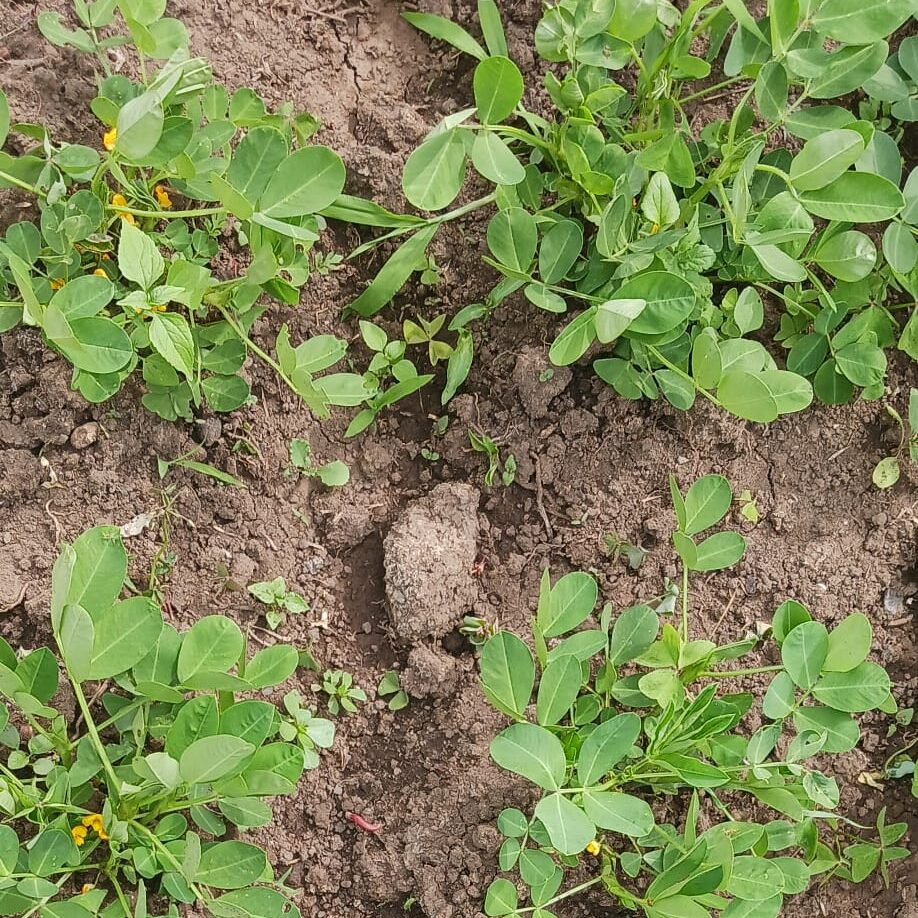
Ground round nut plant
Ground nut plant
Bean plant
Food, fruit and vegetables are important to Kwanzaa. These pictures show some sources of food.

Theme and message for this year

From https://www.officialkwanzaawebsite.org/
Heri za Kwanzaa, Happy Kwanzaa
As an African American and Pan-African holiday celebrated by millions throughout the world African community, Kwanzaa brings a cultural message which speaks to the best of what it means to be African and human in the fullest sense.

During the holiday, families and communities organize activities around the Nguzo Saba (The Seven Principles): Umoja (Unity), Kujichagulia (Self-Determination), Ujima (Collective Work and Responsibility), Ujamaa (Cooperative Economics), Nia (Purpose), Kuumba (Creativity) and lmani (Faith). Participants also celebrate with feasts (karamu), music, dance, poetry, narratives and end the holiday with a day dedicated to reflection and recommitment to The Seven Principles and other central cultural values.
Dr. Maulana Karenga

Founded in 1966, Kwanzaa (from matunda ya kwanza which translates means first fruits in Swahili) is a festival and holiday celebrated by over 18 million African-Americans annually, starting from 26 December and ending with the Karamu feast on January 1. It is also celebrated in other parts of the world.
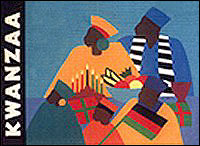
Issued in 1997, this was the first US postage stamp to commemorate Kwanzaa. Credit for image and some information below: Kwanzaa website.

Founding of Kwanzaa

Dr Maulana Karenga (also known as Ronald McKinley Everett) founded Kwanzaa in 1966. As an African-American, he was constantly disturbed by how often black people celebrate western holidays, histories, religions and ideas while neglecting their own. Western holidays include Christmas, Easter and many others. In Africa, first fruits or harvests are celebrated by thanking God and sharing food through feasts. This became the background to the Kwanzaa holiday.
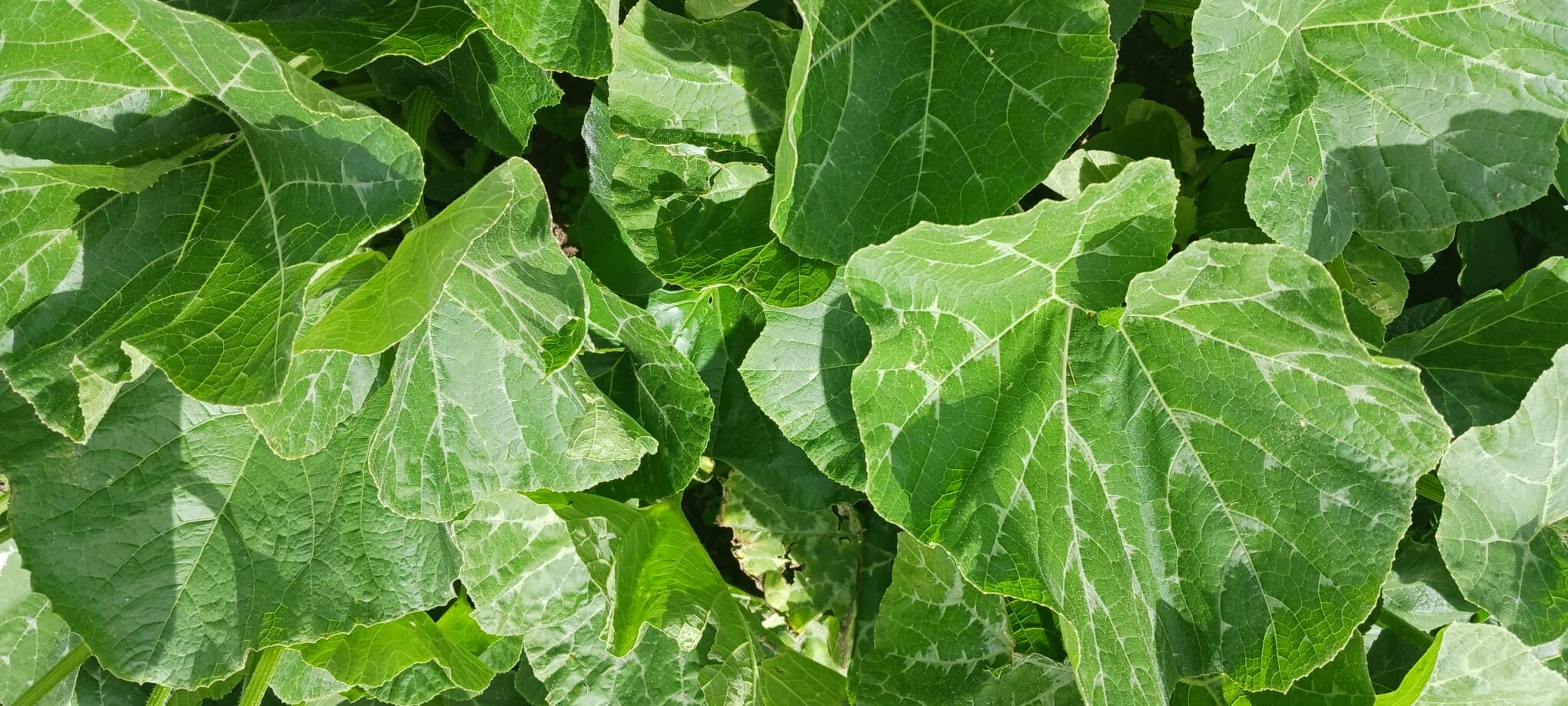
Pumpkin plant

Seven principles (nguzo saba) of Kwanzaa

Kwanzaa principles were derived from African values, histories and cultures. The principles are:

  1. Umoja (Unity): To strive for and to maintain unity in the family, community, nation, and race.
  2. Kujichagulia (Self-Determination): To define and name ourselves, as well as to create and speak for ourselves.
  3. Ujima (Collective Work and Responsibility): To build and maintain our community together and make our brothers’ and sisters’ problems our problems and to solve them together.
  4. Ujamaa (Cooperative economics) To build and maintain our own stores, shops, and other businesses and to profit from them together.
  5. Nia (Purpose): To make our collective vocation the building and developing of our community in order to restore our people to their traditional greatness.
  6. Kuumba (Creativity): To do always as much as we can, in the way we can, in order to leave our community more beautiful and beneficial than we inherited it.
  7. Imani (Faith): To believe with all our hearts in our people, our parents, our teachers, our leaders, and the righteousness and victory of our struggle.


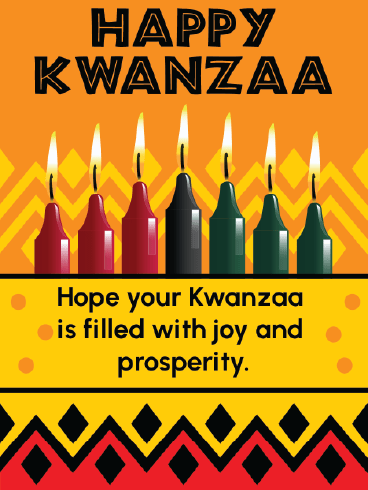
What Kwanzaa candles represent

How is Kwanzaa celebrated?

  1. Decorations in red (blood of Black people’s struggles for freedom), black (black people) and green (land of the people).
  2. Wearing African-style textiles and art.
  3. Family feast called karamu on December 31.

The seven symbols of Kwanzaa

  1. Kikombe cha umoja (unity cup): Celebrants drink from this cup in honor of their African ancestors. Before drinking, each person says “harambee,” or “let’s pull together.”
  2. Kinara (the candle-holder, which holds seven candles): It symbolizes stalks of corn that branch off to form new stalks, much as the human family is created.
  3. Mazao (fruits, nuts, and vegetables): These remind celebrants of the harvest fruits that nourished the people of Africa.
  4. Mishumaa saba (the seven candles that represent the seven principles): A different candle is lit each day. Three green candles on the left; three red candles on the right; and in the middle is a black candle.
  5. Mkeka (a mat): The symbols of Kwanzaa are arranged on the mkeka, which may be made of straw or African cloth. It symbolizes the foundation upon which communities are built.
  6. Vibunzi (plural, muhindi) (ear of corn): Traditionally, one ear of corn is placed on the mkeka for each child present.
  7. Zawadi (gifts): Traditionally, educational and cultural gifts are given to children on January 1, the last day of Kwanzaa

Kwanzaa theory of spirituality

You can read about the theory here.

In Karenga’s words

Karenga said “One of its central tenets is that culture is the fundamental source of a people’s identity, purpose and direction… At the heart of this project is the continuing quest to define and become the best of what it means to be both African and human in the fullest sense.

This involves an ongoing search for models of excellence and paradigms of possibilities in every area of human life, but especially in the seven core areas of culture: history; spirituality and ethics; social organization; political organization; economic organization; creative production (art, music, literature, dance, etc.) and ethos. It also involves creating a language and logic of liberation, one of opposition and affirmation, and a corresponding liberational practice to create a just and good society and pose an effective paradigm of mutually beneficial human relations and human possibility… In all of this we seek to contribute to our people’s collective vocation to create a just and good society, speak our own special cultural truth and make our own unique contribution to the forward flow of human history. And through this historic work and struggle, we feel certain that we as a people will define and understand ourselves as a people who speak truth, do justice, respect our ancestors and elders, support and challenge our children, care for the vulnerable, relate rightfully to the environment, struggle for what is right, honor our past, engage our present and plan for and welcome our future) (Karenga, 2019, online).
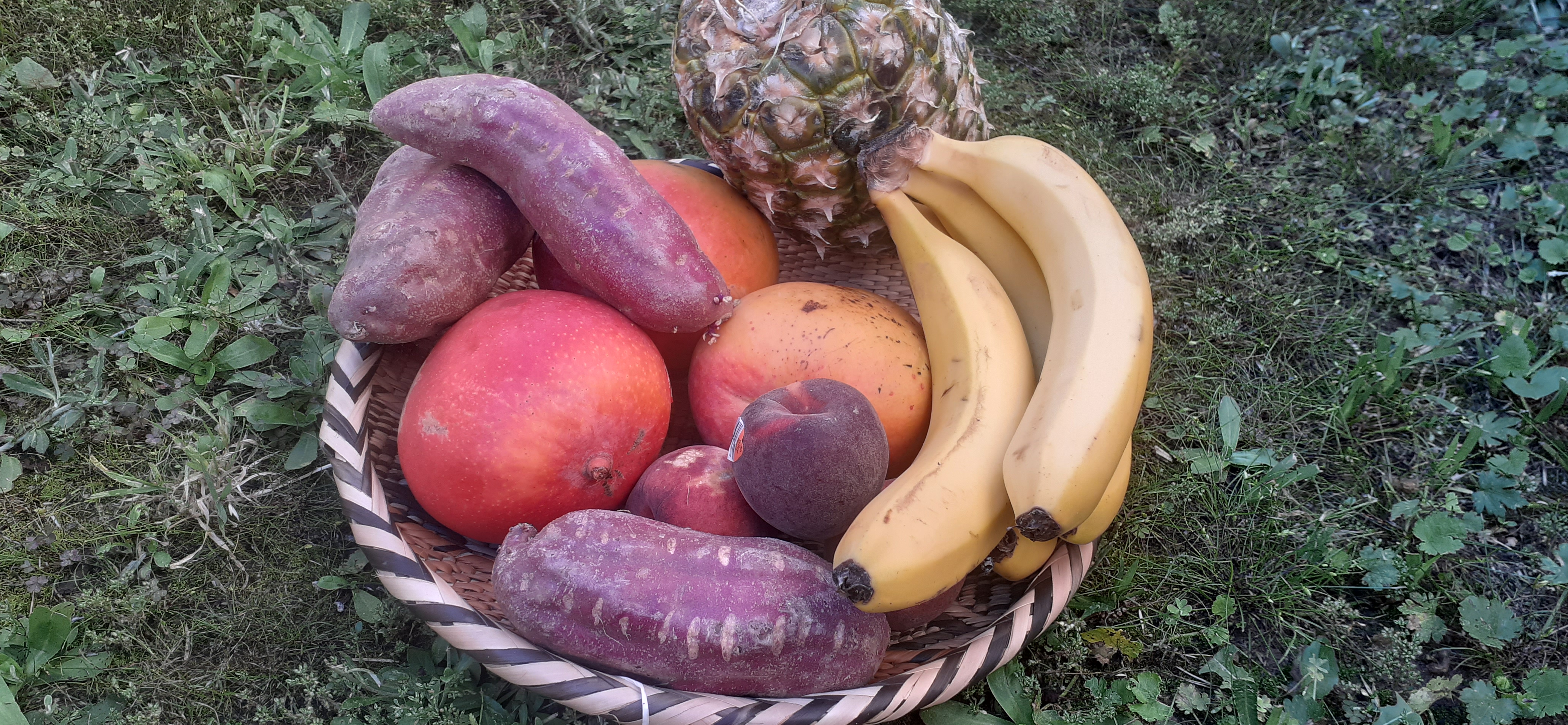
Fruits and African weaved baskets are an important part of Kwanzaa.

Why Africa religion and celebrations are missing?

The video below show commemorations of different religious and cultural events and holidays globally. Unfortunately, for Africa, our holidays are not recognised and we are feeding to this nonrecognition by not celebrating or reviving our own.

Whose is Africa celebrating?

What does this mean for Africa?

Most people on the African continent may not even heard about Kwanzaa but there are seven connections they can identify with:

  1. Kwanzaa is part of pan-Africanism and the decolonization project, particularly decolonizing culture, religion and the mind.
  2. Kwanzaa provides an alternative to dominating western, eastern and middle-eastern holidays, and allows people to look more critically at holidays that they celebrate that are foreign to them. Non-African holidays are founded on non-African ideologies, religious stories and symbols. Most of them, including religious holidays, celebrate whiteness and were part of the colonial project, and are today part of the neo-colonial project.
  3. Every celebration of non-African religions is a celebration and promotion of foreign values, most of those values have been internationalized through colonisation and assumed to be universal and global yet every people have their own values.
  4. Kwanzaa celebrates African foods, sharing of (of cups and food), African colours and clothing and designs. This contributes to identity and commerce.
  5. Land and agriculture, fight for freedom and Blackness are central to Africa.
  6. Foreign holidays have never truly been ingrained in Africans’ minds. For example, Christmas day is largely seen as a family not religious holiday. It is a time to be with family, both immediate, extended and tribal but also community.
  7. The celebration of first rains, first crops or fruits and the harvest is cultural to Africa and could be a starting point to recreate African celebrations, with the hope of having a unifying celebration on the continent and its diaspora.

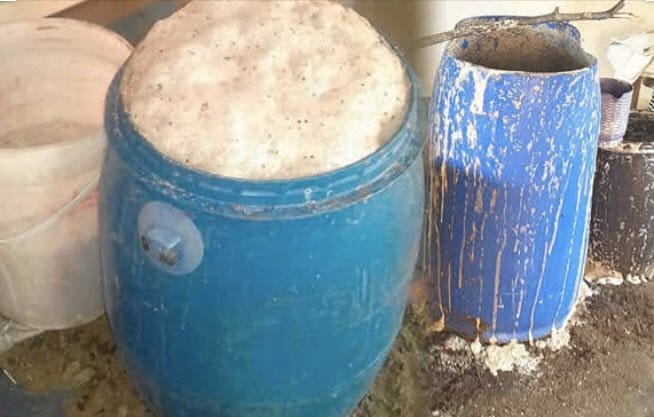
Maize, pumpkin and grain drink
African drink from made from grain, tubers or fruit or extracted from plants is central to celebrations.

Use the form below to subscibe to Owia Bulletin.

Admin ASWDNet, Africa religion | Spirituality, All Posts Basket

Post navigation

Previous Post: IN SOUTH AFRICA, THE JUSTICE SYSTEM HAS IGNITED ANGER OVER COLONIAL AND STRUCTURAL INJUSTICES FOLLOWING THE JAILING OF FORMER PRESIDENT JACOB GEDLEYIHLEKISA ZUMA. What are the lessons for social work?
Next Post: Twelve (12) Tips and Information for Prospective Doctoral Students

AFRICA-WIDE INSTITUTIONS

ASWEA logo

ASWEA

1971-1989

Umoja waAfrika (AU) Former OAU Toto/Brief | Agenda63

ADF

Part of ADB

ASSWA logo

ASSWA

Since 2005

PAWO (AU Arm)

Facebook | X

COUNTRY INFORMATION (SOCIAL WORK & DEVELOPMENT)

  • Algeria ๐Ÿ‡ฉ๐Ÿ‡ฟ
  • Angola ๐Ÿ‡ฆ๐Ÿ‡ด
  • Benin ๐Ÿ‡ง๐Ÿ‡ฏ
  • Botswana ๐Ÿ‡ง๐Ÿ‡ผ
  • Burkina Faso ๐Ÿ‡ง๐Ÿ‡ซ
  • Burundi ๐Ÿ‡ง๐Ÿ‡ฎ
  • Cabo Verde ๐Ÿ‡จ๐Ÿ‡ป
  • Cameroon ๐Ÿ‡จ๐Ÿ‡ฒ
  • Central Africa Republic ๐Ÿ‡จ๐Ÿ‡ซ
  • Chad ๐Ÿ‡น๐Ÿ‡ฉ
  • Comoros ๐Ÿ‡ฐ๐Ÿ‡ฒ
    • Mayotte of Comoro
  • Congo, DR ๐Ÿ‡จ๐Ÿ‡ฉ
  • Congo ๐Ÿ‡จ๐Ÿ‡ฌ
  • Cote D’Ivoire ๐Ÿ‡จ๐Ÿ‡ฎ
  • Djibouti ๐Ÿ‡ฉ๐Ÿ‡ฏ
  • Egypt ๐Ÿ‡ช๐Ÿ‡ฌ
  • Equatorial Guinea ๐Ÿ‡ฌ๐Ÿ‡ถ
  • Eritrea ๐Ÿ‡ช๐Ÿ‡ท
  • Eswatini ๐Ÿ‡ธ๐Ÿ‡ฟ
  • Ethiopia ๐Ÿ‡ช๐Ÿ‡น
  • Gabon ๐Ÿ‡ฌ๐Ÿ‡ฆ
  • Gambia, The ๐Ÿ‡ฌ๐Ÿ‡ฒ
  • Ghana ๐Ÿ‡ฌ๐Ÿ‡ญ
  • Guinea ๐Ÿ‡ฌ๐Ÿ‡ณ
  • Guinea-Bissau ๐Ÿ‡ฌ๐Ÿ‡ผ
  • Kenya ๐Ÿ‡ฐ๐Ÿ‡ช
  • Lesotho ๐Ÿ‡ฑ๐Ÿ‡ธ
  • Liberia ๐Ÿ‡ฑ๐Ÿ‡ท
  • Libya ๐Ÿ‡ฑ๐Ÿ‡พ
  • Madagascar ๐Ÿ‡ฒ๐Ÿ‡ฌ
  • Malawi ๐Ÿ‡ฒ๐Ÿ‡ผ
  • Mali ๐Ÿ‡ฒ๐Ÿ‡ฑ
  • Mauritania ๐Ÿ‡ฒ๐Ÿ‡ท
  • Mauritius ๐Ÿ‡ฒ๐Ÿ‡บ
  • Morocco ๐Ÿ‡ฒ๐Ÿ‡ฆ
  • Mozambique ๐Ÿ‡ฒ๐Ÿ‡ฟ
  • Namibia ๐Ÿ‡ณ๐Ÿ‡ฆ
  • Niger ๐Ÿ‡ณ๐Ÿ‡ช
  • Nigeria ๐Ÿ‡ณ๐Ÿ‡ฌ
  • Rwanda ๐Ÿ‡ท๐Ÿ‡ผ
  • Sao Tome and Principe ๐Ÿ‡ธ๐Ÿ‡น
  • Senegal ๐Ÿ‡ธ๐Ÿ‡ณ
  • Seychelles ๐Ÿ‡ธ๐Ÿ‡จ
  • Sierra Leone ๐Ÿ‡ธ๐Ÿ‡ฑ
  • Somalia ๐Ÿ‡ธ๐Ÿ‡ด
  • South Africa ๐Ÿ‡ฟ๐Ÿ‡ฆ
  • South Sudan ๐Ÿ‡ธ๐Ÿ‡ธ
  • Sudan ๐Ÿ‡ธ๐Ÿ‡ฉ
  • Togo ๐Ÿ‡น๐Ÿ‡ฌ
  • Tanzania ๐Ÿ‡น๐Ÿ‡ฟ
  • Tunisia ๐Ÿ‡น๐Ÿ‡ณ
  • Uganda ๐Ÿ‡บ๐Ÿ‡ฌ
  • Western Sahara (SADR)
  • Zambia ๐Ÿ‡ฟ๐Ÿ‡ฒ
  • Zimbabwe ๐Ÿ‡ฟ๐Ÿ‡ผ
  • โ€œDongoโ€
  • ‘Wakanda’
  • Umoja waAfrica (African Union)
  • Afro-Caribbeans
    • Haiti
  • Afro-Latinos
  • Melanesia
    • Aboriginal Countries
    • Papua New Guinea
    • West Papua
  • Afro-Asians โ€˜Sidiโ€™

Decolonisation Calculator (DECA). What is the rate of decolonisation of social work and development training, education and research in your country? Use this simple calculator.

COVID-19 FINAL UPDATE: Africa Infections: 12.3 million people. Deaths 260 000. World infections: 650 million. Deaths 6.7 million. Data aggregated by ASWDNet on 12 December 2022. View this COVID-19 references list for Africa.

Search

Policies | Guidelines | Checklists

  • AI Policy
  • San Code of Ethics
  • Journal Writing Guide
  • Ubuntu Principles in Fundraising & Charity
  • Comments Policy
  • Publisher Checker
  • Decolonisation Calculator
  • African Research Ethics & Malpractice Statement
  • Privacy & Cookie Policy
  • Email, Data and Social Media Policy
  • What Children Have to Say: A Love Letter to Eswatini’s Children, and a Gentle Rethink
  • Designing philosophical, theoretical, and conceptual approaches in research
  • ‘Come through the door, not the window’: The San Code of Research Ethics (San Code)
  • How do I live Ubuntu if it is not my people’s philosophy?
  • This is the decade of Africa in global social work and social development. Why? An answer from Mtandao with options for the next decade
  • Become a Blogger Blogging
  • Welcome to the AFRICASOCIALWORK.NET All Posts Basket
  • Become a Blogger All Posts Basket
  • The political, legal, radical and policy role of social work in Africa Admin ASWDNet
  • Egypt’s history of social work and social services All Posts Basket
  • Ubuntu and Social Work Resources All Posts Basket
  • Ubuntu Theories All Posts Basket
  • Ethiopian History of Social Work and Social Services All Posts Basket

Email Sign In


Website Log In


Mfundo | Courses | CPD Log In


Members Portal

COPYRIGHT ยฉ 2020 to 2030: Mtandao - Africa Social Work and Development Network (ASWDNet) | UBUNTU ACKNOWLEDGEMENT - We pay our respects to those who came before us, our Elders and forefathers and mothers, who are the sources and protectors (against colonisation) of the knowledge and wisdom that continue to shape lives, teaching, learning, research, and practice across generations. Because they were, we are. Asante. Siyabonga. Tatenda. Waaw. ร€แนฃรฉ.