Skip to content
  • Home
  • About|Join
  • Ethics
  • Events
  • Certificates
  • OwiaNews
  • Journals
  • DecoloniseCalculators
  • Mfundo|CPD
  • FundiDictionary
  • Awards
  • Ushahidi
  • DACCS
  • Kuumba
  • Submit
  • WSWSD Conference Nairobi | Mtandao Exhibition
  • Mental Health Masterclass
  • Catalogue
  • Consultancy
  • Shop
  • Twitter
  • Facebook
  • LinkedIn
  • YouTube
  • Academia AJSW
  • Instagram
Africa Social Work and Development Network | Mtandao waKazi zaJamii naMaendeleo waAfrica
Africa Social Work & Development Network | Mtandao waKazi zaJamii naMaendeleo waAfrika

Africa Social Work & Development Network | Mtandao waKazi zaJamii naMaendeleo waAfrika

Mtandao creates, aggregates and disseminates information and resources to facilitate Social Work and Development Work in Africa.

  • ACADEMICS
    • Lecture Resources
    • Lectures
    • Fieldwork Resources
    • Approaches to assessing learning
    • Book Publishing
      • Book_Professional Social Work in Zimbabwe
    • Types of University Assessments
    • ASWDNet Guide to Writing (Journals)
    • ASWDNet Guide to Writing and Publishing
  • PRACTITIONERS
    • Values and Ethics in Africa
    • Africa Social Work and Development Awards
    • Continuous Professional Development (CPD)
    • Templates, Models, Frameworks, Assessment Tools and Questionnaires
    • African Theories
    • Supervision
  • STUDENTS
    • Social Work and Development Student Conference (SWDSC)
    • 12 Steps to Get Published
    • Tips for Prospective Doctoral Students
    • ASWDNet Guide to Writing (Academic Research Brief| Proposal | Thesis)
    • Writing a journal article could be as easy as making fufu, nsima, ugali or matoke!
    • Lectures
    • Glossary of Publishing Terms
  • RESEARCHERS
    • Research Methods
    • Qualitative data levels of analysis
    • African Independent Ethics Committee (AIEC)
    • Research Questions Bank
    • Publisher/Journal Checker
    • Research Strategies
    • Reviewers
    • Ubuntu Research Group (URG)
    • Kuumba (Mentoring)
      • SURVEY OF SOCIAL PROBLEMS AND CHALLENGES FOR AFRICA
      • Mentees
      • Mentors
      • Guidelines
    • Afrocentric Mentoring Project (AfroME)
      • Team
      • Partners
      • Call for Applications for the Afrocentric and Decolonial Social Work Mentoring Project (now closed)
  • ASSOCIATIONS
  • TRAINING INSTITUTIONS
  • COMMUNITIES
    • Ubuntu Fundraising and Charity Principles
    • COVID-19
    • Social Work for Children
    • Funda KiSwahili
  • MEMBERS
  • Africa Philosophy
  • African Theories
  • Research Methods
  • Library | Databases
  • Social Work
    • Social Work Education institutions (SWEI) in Africa
    • Biography of Social Development in Africa
      • Charlotte Makgomo-Mannya Maxeke (1871-1939)
      • Zahia Marzoukย (1906 โ€“ 1988)
      • Regina Gelana Twala (1908-1968)
      • Mai Musodzi Chibhaga Ayema (1885-1952)
      • Nnoseng Ellen Kate Kuzwayo (1914 โ€“ 2006)
      • Joshua Mqabuko Nyongolo Nkomo (19 June 1917 โ€“ 1 July 1999)
      • Jairos Jiri (1921 โ€“ 1982)
      • Kenneth Buchizya Kaunda (1924-2021)
      • John Samuel Mbiti (1931-2019)
      • Gibson Mthuthuzeli Kent (1932-2004)
      • Winnie Madikizela-Mandela 1936โ€“2016
      • Ngugi wa Mirii (1951 โ€“ May 3, 2008)
      • Andrew Chad Nyanguru (28 Mar 1953-14 May 2014)
      • Professor Rodreck Mupedziswa
      • Edwell Kaseke (1954-2017)
      • Lovemore Mbigi
      • Selassie Seyoum Gebre (1936-)
      • Arega Yimam (-c1989)
      • Dr Noel Garikai Muridzo
      • Dr Edmos Mthethwa
      • Phillip Manyanye Bohwasi
      • Wassie Kebede
      • Gidraph G Wairire
      • Wangari Muta Maathai
      • Uzoma Odera Okoye, Dr
    • Social Work Journals and Other Serial Publications in Africa (ASWDNet Index)
    • Association of Social Work Education in Africa (ASWEA) โ€“ 1965 to 1989
    • Future of Social Work in Africa
    • Environmental Social Work
  • Development
    • Developmental Work Database
  • Ubuntu
    • Ubuntu Research Group (URG)
    • Ushahidi Platform
    • Ubuntu Fundraising and Charity Principles
    • Ubuntu Bibliography
    • Ubuntu Survey
    • Ubuntu Annual Lecture
    • Ubuntu Interview Guide Sample
  • Africa
    • African Anthem (African Union)
    • Umoja waAfrica (African Union)
    • African symbols and alphabets
    • Fundi โ€“ The African Dictionary and Encyclopaedia of Social Work and Development
    • Africa Religion (uAfrica)
    • Africa Research Ethics and Malpractice Statement (AREMS)
    • The San Code of Research Ethics (San Code)
  • Blog
    • Our Ubuntu-inspired Comments Policy
    • Become a Blogger
    • Admin ASWDNet

    • Babekazi
    • Professor Roy@Indigenous Social Work
    • Mutape J.D.S Sithole
    • Alemayehu Gebru from Ethiopia, Jimma City
    • Rugare Mugumbate
    • Decolonise
    • Writing and Publishing
    • Development
    • Toto
    • Ms. Alexandra Thokozile Mliswa (MSc,LLB, BA)
    • Environmental work
    • Africa religion | Spirituality
    • Kudzai Mwapaura blogger
    • All Posts Basket

Category: Admin ASWDNet
Posts from ASWNet administrators

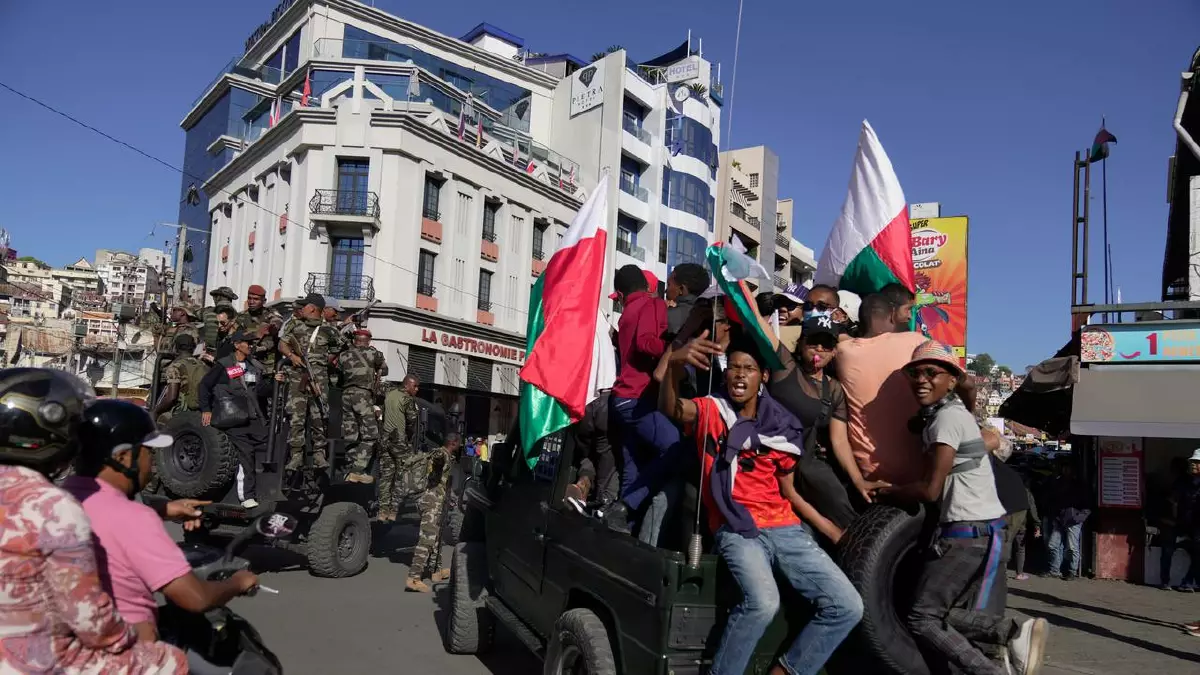
We want lights, not power: The Gen Z uprising in Madagascar and implications for radical social development

Posted on 15 October 202515 October 2025 By aswnetadmin No Comments on We want lights, not power: The Gen Z uprising in Madagascar and implications for radical social development
We want lights, not power: The Gen Z uprising in Madagascar and implications for radical social development

We want better government, not empty promises.We want lights, not power.We want water, not soda. A generation in the dark…

Read More “We want lights, not power: The Gen Z uprising in Madagascar and implications for radical social development” »

Admin ASWDNet
Decolonising the digital environment: what you can do with Wikipedia

Posted on 10 October 202510 October 2025 By aswnetadmin No Comments on Decolonising the digital environment: what you can do with Wikipedia
Decolonising the digital environment: what you can do with Wikipedia

In universities, government departments and non-governmental organizations across Africa, students, lecturers and practitioners are increasingly turning to the internet for…

Read More “Decolonising the digital environment: what you can do with Wikipedia” »

Admin ASWDNet, Decolonise

Call for Abstracts for the 2026 Joint World Conference on Social Work and Social Development (SWSD 2026) is now open!

Posted on 3 October 20253 October 2025 By aswnetadmin 2 Comments on Call for Abstracts for the 2026 Joint World Conference on Social Work and Social Development (SWSD 2026) is now open!
Call for Abstracts for the 2026 Joint World Conference on Social Work and Social Development (SWSD 2026) is now open!

This post was copied for the conference website. The official Call for Abstracts for the 2026 Joint World Conference on…

Read More “Call for Abstracts for the 2026 Joint World Conference on Social Work and Social Development (SWSD 2026) is now open!” »

Admin ASWDNet
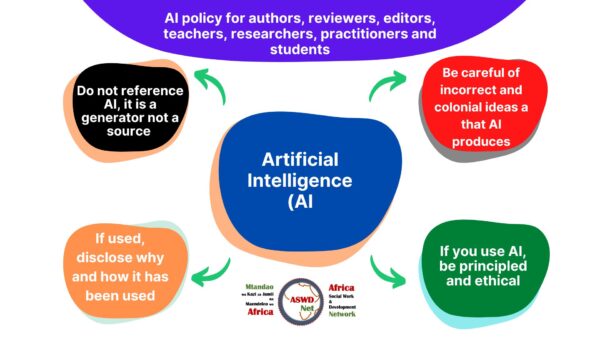
Artificial Intelligence (AI), technocolonial and decolonisation in African Social Work Education and Practice

Posted on 26 September 202527 September 2025 By Makamanzi the Unpacker No Comments on Artificial Intelligence (AI), technocolonial and decolonisation in African Social Work Education and Practice
Artificial Intelligence (AI), technocolonial and decolonisation in African Social Work Education and Practice

In the dynamic landscape of global technology and social work practice, a crucial conversation is emerging across Africa about the…

Read More “Artificial Intelligence (AI), technocolonial and decolonisation in African Social Work Education and Practice” »

Admin ASWDNet, Artificial Intelligence (AI)

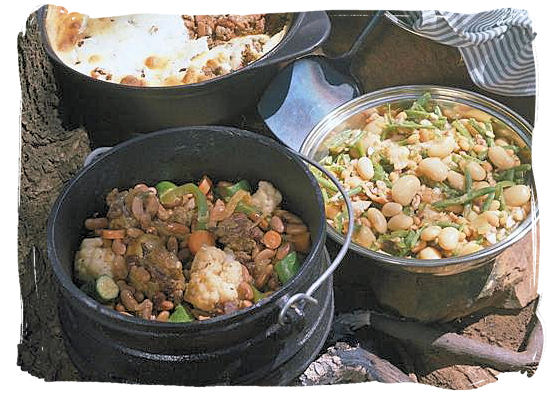
Food production in Africa, ideas for environmental and development work

Posted on 6 September 20256 September 2025 By aswnetadmin No Comments on Food production in Africa, ideas for environmental and development work
Food production in Africa, ideas for environmental and development work

This article is built on quotations gathered on this topic. The numbers of people experiencing food security on the continent…

Read More “Food production in Africa, ideas for environmental and development work” »

Admin ASWDNet, Food

Mosquitoes, mistrust and the marginalisation of African researchers

Posted on 29 August 202529 August 2025 By Babe Kazi No Comments on Mosquitoes, mistrust and the marginalisation of African researchers
Mosquitoes, mistrust and the marginalisation of African researchers

Malaria remains one of Africa’s deadliest diseases, killing hundreds of thousands each year, particularly children under five. Despite progress in…

Read More “Mosquitoes, mistrust and the marginalisation of African researchers” »

Admin ASWDNet, Babekazi, Research, Research - African methods

Social Work and Social Development in Africa

Posted on 7 August 20257 August 2025 By Maaza Mkelekile
Social Work and Social Development in Africa

In this lecture, Dr Rugare Mugumbate talks about Social Work and Social Development in Africa focusing on the role of…

Read More “Social Work and Social Development in Africa” »

Admin ASWDNet

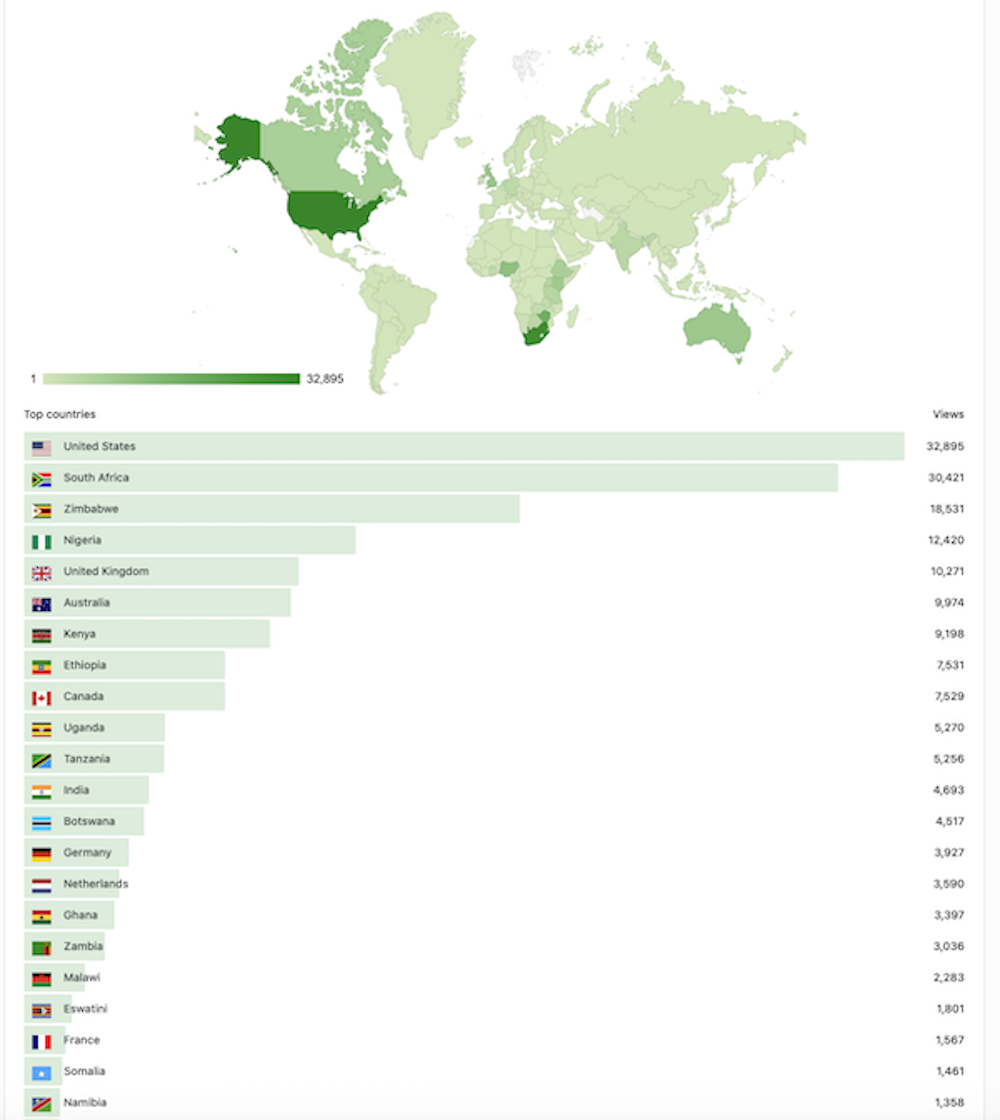
Mtandao website now used in all countries of the world (current stats), please like and comment when you use our resources

Posted on 6 August 20256 August 2025 By aswnetadmin
Mtandao website now used in all countries of the world (current stats), please like and comment when you use our resources

Statistics The website was opened in 2020, and now exceeds 70 000 users a year. Between January and July 2025,…

Read More “Mtandao website now used in all countries of the world (current stats), please like and comment when you use our resources” »

Admin ASWDNet, This Website

Reconciling the Best Interest of the Child Principle with Cultural Relativism in African Social Work Practice

Posted on 25 July 202525 July 2025 By Makamanzi the Unpacker
Reconciling the Best Interest of the Child Principle with Cultural Relativism in African Social Work Practice

The principle of the best interest of the child stands as a guiding light in social work, enshrined in global…

Read More “Reconciling the Best Interest of the Child Principle with Cultural Relativism in African Social Work Practice” »

Admin ASWDNet, Children

African Leaders Throughout History

Posted on 18 July 202518 July 2025 By Babe Kazi
African Leaders Throughout History

A comprehensive, pan-African list of rulers, thinkers, warriors, and reformers. West Africa North Africa East Africa Central Africa Southern Africa…

Read More “African Leaders Throughout History” »

Admin ASWDNet

Welcoming new blogger – Makamanzi the Unpacker

Posted on 18 July 202518 July 2025 By mugumbatej
Welcoming new blogger – Makamanzi the Unpacker

Lawrence Makamanzi, the most recent blogger for Mtandao, is a Zimbabwean social worker and public intellectual whose work spans across…

Read More “Welcoming new blogger – Makamanzi the Unpacker” »

Admin ASWDNet

Questioning Faith and Power in the Struggle Song ‘Nkosi Sikelelโ€™ iAfrika’

Posted on 15 July 202515 July 2025 By Babe Kazi
Questioning Faith and Power in the Struggle Song ‘Nkosi Sikelelโ€™ iAfrika’

A brief history of the song Nkosi Sikelel’ iAfrika Lord, bless Africa is an English adaptation of Nkosi Sikelel’ iAfrika,…

Read More “Questioning Faith and Power in the Struggle Song ‘Nkosi Sikelel’ iAfrika’” »

Admin ASWDNet, Decolonise, Religion

African Social Work Education and Practice – a historical perspective (external event)

Posted on 15 July 202515 July 2025 By aswnetadmin
African Social Work Education and Practice – a historical perspective (external event)

July 18, 2025 Online and University of Calgary Social Work, Faculty of Social Work, Edmonton Campus, Canada Research Presentation 9:00…

Read More “African Social Work Education and Practice – a historical perspective (external event)” »

Admin ASWDNet

Samora Machel’s Theory of Superstition and its Firmer Implications for Social Work and Development

Posted on 6 July 20257 July 2025 By Rugare Mugumbate
Samora Machel’s Theory of Superstition and its Firmer Implications for Social Work and Development

“To ensure our victory, we must destroy the remnants of colonialism in our minds. Superstition is one of its weapons…

Read More “Samora Machel’s Theory of Superstition and its Firmer Implications for Social Work and Development” »

Admin ASWDNet, Spirituality

Join us on social media

Posted on 6 July 202511 July 2025 By aswnetadmin
Join us on social media

Instagram dayoftheafricanchildconference X Afrosocialwork Facebook Africansocialwork LinkedIn Africa social work network

Admin ASWDNet

Authoring Ubuntu – Masterclass 2025 Videos

Posted on 5 July 20255 July 2025 By aswnetadmin
Authoring Ubuntu – Masterclass 2025 Videos

WHAT IS UBUNTU AUTHORING? – DR RUGARE MUGUMBATE UBUNTU AND HISTORY OF SOCIAL SERVICES – EDWARD MUZONDO AFRICA-CENTRED AUTHORING –…

Read More “Authoring Ubuntu – Masterclass 2025 Videos” »

Admin ASWDNet, Ubuntu, Writing and Publishing

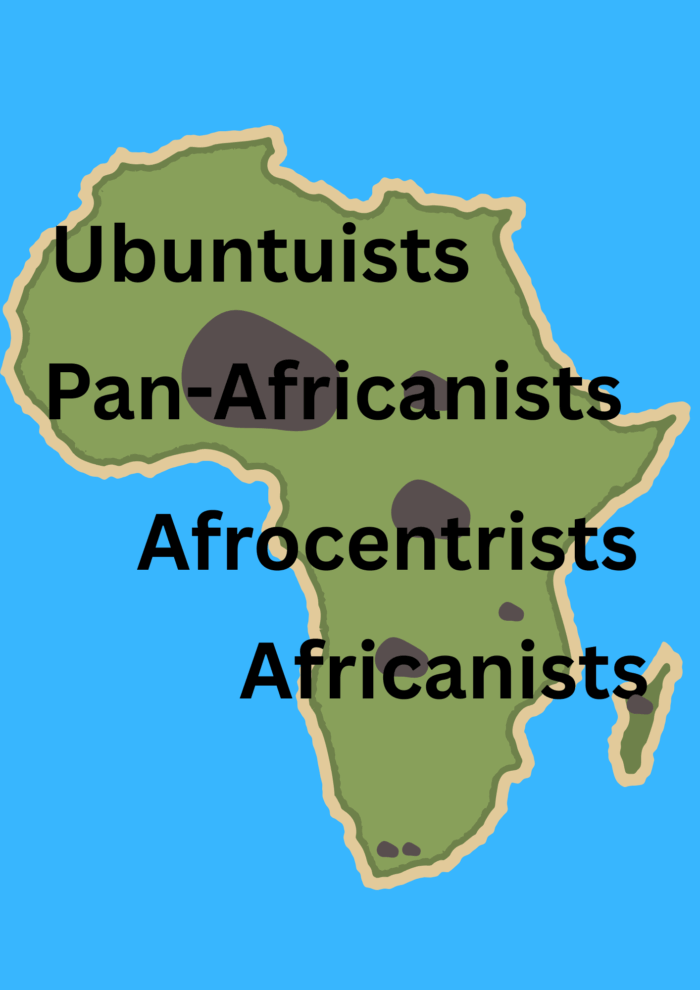
Understanding African thought and identity from Africanist to Ubuntuist: what are you?

Posted on 2 July 20252 July 2025 By aswnetadmin
Understanding African thought and identity from Africanist to Ubuntuist: what are you?

What am I? An Africanist is someone who engages deeply with African topics such as history, politics, languages, cultures or…

Read More “Understanding African thought and identity from Africanist to Ubuntuist: what are you?” »

Admin ASWDNet

Examples of African community welfare, community work and community development initiatives

Posted on 2 July 20252 July 2025 By aswnetadmin
Examples of African community welfare, community work and community development initiatives

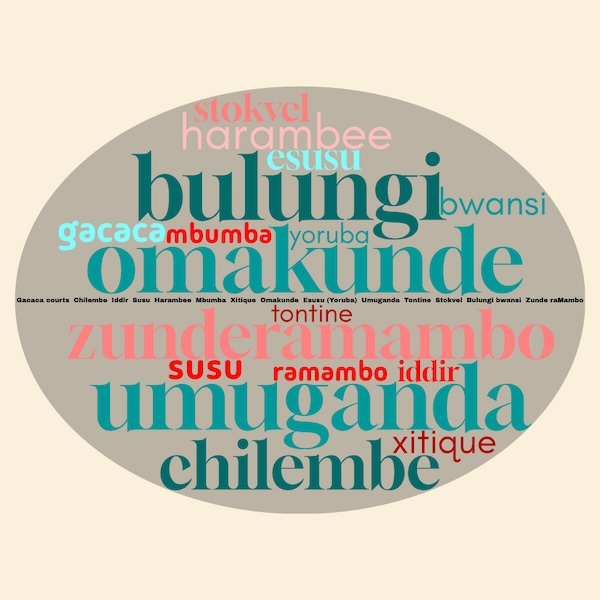
Country Flag Community programme Description Burundi 🇧🇮 Gacaca courts A community-based justice system focused on reconciliation and restorative justice after…

Read More “Examples of African community welfare, community work and community development initiatives” »

Admin ASWDNet, Communities, Community welfare, work and development

Opportunity to provide DAC conference feedback

Posted on 20 June 202520 June 2025 By aswnetadmin
Opportunity to provide DAC conference feedback

Whether you attended the conference or not, we are asking you to kindly spare 5 minutes to provide feedback to…

Read More “Opportunity to provide DAC conference feedback” »

Admin ASWDNet

The Kingdom of Eswatini shines at the 2025 Day of the African Child Students Conference

Posted on 20 June 202520 June 2025 By aswnetadmin
The Kingdom of Eswatini shines at the 2025 Day of the African Child Students Conference

173 people registered for the conference. 83 watched on YouTube livestream (access the livestream here). Eswatini universities booked a hotel…

Read More “The Kingdom of Eswatini shines at the 2025 Day of the African Child Students Conference” »

Admin ASWDNet, Day of the African Child

Program released for DAC Students Conference 2025

Posted on 13 June 202513 June 2025 By aswnetadmin
Program released for DAC Students Conference 2025

Statistics 4 hour conference 14 presentations divided into 4 sessions 4 guest speakers 8 moderators and chairpersons 83 registered participants…

Read More “Program released for DAC Students Conference 2025” »

Admin ASWDNet

2025 awards announced (Africa Social Work and Development Awards)

Posted on 12 June 202512 June 2025 By aswnetadmin
2025 awards announced (Africa Social Work and Development Awards)

The 2024/2025 awards ceremony will be held during the last hour of the online Day of the African Child Students…

Read More “2025 awards announced (Africa Social Work and Development Awards)” »

Admin ASWDNet

Using Ubuntu values to decolonise AI systems, Professor Mutambara, UJ

Posted on 9 June 20259 June 2025 By aswnetadmin
Using Ubuntu values to decolonise AI systems, Professor Mutambara, UJ

Professor Arthur G. O. Mutambara, Director and Full Professor – Institute for the Future of Knowledge, University of Johannesburg

Admin ASWDNet

Day of the African Child (DAC) 2025

Posted on 18 May 202518 May 2025 By aswnetadmin
Day of the African Child (DAC) 2025

Planning and budgeting for children’s rights: progress since 2010 Theme for 2025 On 16 June, Africa commemorates the Day of…

Read More “Day of the African Child (DAC) 2025” »

Admin ASWDNet, Day of the African Child, Students

Examples of feedback authors have received from reviewers for journals associated with ASWDNet

Posted on 18 May 202518 May 2025 By aswnetadmin
Examples of feedback authors have received from reviewers for journals associated with ASWDNet

The information below is based on the guidelines of the ASWDNet available here and feedback received from reviewers over several…

Read More “Examples of feedback authors have received from reviewers for journals associated with ASWDNet” »

Admin ASWDNet

Protecting your research: identifying legitimate journals and avoiding predatory authorship

Posted on 9 May 20259 May 2025 By aswnetadmin
Protecting your research: identifying legitimate journals and avoiding predatory authorship

Steps in publishing a good journal article Predatory journals, how to spot them Step in legitimate publishing How predatory journals…

Read More “Protecting your research: identifying legitimate journals and avoiding predatory authorship” »

Admin ASWDNet, Writing and Publishing

Forced from Dahomey in Benin to Alabama in the United States of America (USA): stories of intergenerational wealth versus intergenerational trauma

Posted on 3 May 20253 May 2025 By Babe Kazi
Forced from Dahomey in Benin to Alabama in the United States of America (USA): stories of intergenerational wealth versus intergenerational trauma

The feautured picture above shows Cudjo and Abache who were forcibly taken to Alabama by cotton farmer Timothy Meaher and…

Read More “Forced from Dahomey in Benin to Alabama in the United States of America (USA): stories of intergenerational wealth versus intergenerational trauma” »

Admin ASWDNet, Slavery

Call to join Africa Day conversations

Posted on 3 May 20253 May 2025 By aswnetadmin
Call to join Africa Day conversations

This year, we are having conversations about Africa Day. These conversations will be via WhatsApp, Google Meet, Microsoft teams or…

Read More “Call to join Africa Day conversations” »

Admin ASWDNet, Africa Day, Diaspora

Olabisi Adebawo appointed the new Ethics Officer for the African Independent Ethics Committee (AIEC)

Posted on 22 April 202522 April 2025 By Maaza Mkelekile
Olabisi Adebawo appointed the new Ethics Officer for the African Independent Ethics Committee (AIEC)

Join me in congratulating Olabisi Adebawo for the new position. Olabisi’s key strengths are: About the Africa Independent Ethics Committee…

Read More “Olabisi Adebawo appointed the new Ethics Officer for the African Independent Ethics Committee (AIEC)” »

Admin ASWDNet

Welcoming the Day of the African Child (DAC) Social Work and Development Student Conference (SWDSC) committee 2025-2027 chaired by Lwazi Mavuso, Eswatini

Posted on 22 April 202522 April 2025 By aswnetadmin
Welcoming the Day of the African Child (DAC) Social Work and Development Student Conference (SWDSC) committee 2025-2027 chaired by Lwazi Mavuso, Eswatini
Date, Theme & Hashtags
Conference Posters
AU ACERWC DAC
Abstracts & Reviewer Guide
Presenter & Chair Guide
Program

Date

On 16 June

Time

08AM-12PM WAT | 09AM-1PM CAT/SAT | 10AM-2PM EAT (time may change)

Theme

Current theme: A call to action: Strengthening universal access to clean water and sanitation to foster child dignity and development.

Previous themes

2025: A 14-Year Legacy of policy and practice: Investing in Child Rights through responsive budgeting

Hashtags

#DACC #DayOfTheAfricanChild #InternationalDayOfTheAfricanChild

Below are the posters to share. Pin on notice boards, share on social media and send via emails. Print and post.

2026 poster

2025 posters

Poster pdf

Day of the African Child (DAC) 2025

ย  ย  ย  ย  ย  ย  ย  Home DAC

Introduction

The Day of the African Child (DAC) was launched by the Assembly of Heads of State of the Organization of African Unity (OAU) in 1991 to be commemorated on 16 June each year. The DAC pays tribute to the 1976 student uprising in Soweto, South Africa, which resulted in the killings of students who demonstrated against the poor quality of education they received and demanding to be taught in their own language by the apartheid regime. Over the years, the Day has been an opportunity for all stakeholders and actors involved in the protection and promotion of children’s rights in Africa to come together, to consolidate common goals and to tackle the obstacles that stand in the way of achieving an Africa fit for its children.

As guardian of the African Charter on the Rights and Welfare of the Child (ACRWC), the African Committee of Experts on the Rights and Welfare of the Child (ACERWC/Committee) has spearheaded the commemoration of the DAC since 2002. The ACERWC is an Organ of the African Union established in accordance with articles 32 and 33 of the ACRWC mandated to promote and protect the rights and welfare of the child in Africa and monitor its implementation. Each year, the Committee identifies a relevant theme for the Day, which is further adopted by the Executive Council of the AU, organizes and coordinates activities and events to commemorate the Day at continental level.

The purpose of this concept note is to provide guidance to Member States on the main objectives of the theme, and the various measures that should be undertaken by States in the celebration of the theme. The Committee notes that the DAC provides an opportunity for children, Member States, policy makers, organisations and other stakeholders on the continent working on children’s issues to review and evaluate efforts, policies and programmes aimed to protect and promote children’s rights considering the theme. The DAC is called for serious introspection and commitment to addressing the many challenges facing African children.

For previous themes and the current concept note, please visit: https://www.acerwc.africa/en/page/about-day-african-child

CALL FOR ABSTRACTS

For you to get a chance to present, you will need to submit an abstract. An abstract is a statement that introduces a report, article or research in a summarised way. Submit abstract using this form. Please follow these guidelines:
    • Your abstract should have a title.
    • Your name, email and institution and college level (if available).
    • The abstract paragraph should have an opening sentence introducing the topic, clarification of the research gap\questions/needs/purpose, theories used to understand the issue, methods used to collect data (e.g. personal experience, stories, photo taking, family interviews, baliano, literature review, documents, social media and ETHICS), summary of the data or findings, conclusions reached and recommendations or implications.
    • Abstract should be 150-200 words long – with sub-headings (see example at the end)
    • Abstract should report academic or non-academic research that has already been done or that will be completed before 14 June each year OR could be based on your experience or reflections at home, in the community, at university, during placement.
    • There should be no references in the abstract.
    • Prioritise African philosophy, theories, sources of knowledge and research methods.
        • Africa research methods can be read here – https://africasocialwork.net/research/
        • African theories can be read here – https://africasocialwork.net/african-theories-of-social-work/
        • African philosophy can be read here – https://africasocialwork.net/african-philosophy/
        • Ubuntu (Africa’s philosophy) – https://africasocialwork.net/ubuntu-database/
    • It is ok to write the abstract in your own language, to use words from any African language in the abstract, title or key words.
    • Add 5-8 key words – all key words must be used in the abstract paragraph.
Please download and share this call for abstracts poster.

ABSTRACT EXAMPLE

Abstract
Title: Decolonising academic literacy: An Afrocentric approach to student retention
Author & Affiliation: Naledi Ncube, Master’s Student, Department of African Studies, University of South Africa
Background: High student attrition persists due to academic alienation. This study evaluates how foundational language programmes impact first-year integration, addressing the gap left by Eurocentric pedagogical frameworks. It is anchored in Ubuntu Paradigm Theory, viewing knowledge creation as communal.
Methods: Guided by Ukama Metamethodology, data was generated through Enkundleni (communal dialogue circles), photovoice, critical observations, and journaling/memoing with 45 students, using Afrocentric narrative framing. Ethics clearance number EA49/2026.
Key Findings: Eurocentric frameworks cause alienation. Communal learning circles boosted academic confidence by 42 per cent. Integrating multilingual translanguaging significantly improved critical thinking scores.
Conclusions & Implications: Traditional literacy architectures alienate local students; culturally grounded frameworks mitigate dropout risks. This implies that reducing attrition requires an epistemic shift. Excluding African epistemologies will perpetuate regional student turnover.
Recommendations: Institutionalise multilingual translanguaging policies in first-year courses, pivot from individualised tutoring to peer-led Enkundleni study cells, and test Ubuntu-centred toolkits in science, technology, engineering, and mathematics (STEM) fields.
Key Words: Academic Literacy; Ubuntu Paradigm; Student Attrition; Indigenous Methodologies; Higher Education Decolonisation; Translanguaging.

ABSTRACT REVIEW GUIDES

There is a table and text reviewer guide, they are all acceptable.

TABLE GUIDE

INSTRUCTIONS: You can give qualitative comments or quantitative ratings or both. The outcomes are the same for both โ€“ Accept, Revise or Reject. For quantitative ratings, abstract thatโ€™s cores 0-3 marks will be rejected, 4-6 will be revised by authors and reviewed again, 7-10 will be accepted. You can put comments in the table . Click to get Word version ofย Reviewer guidelines SOCIAL WORK and DEVELOPMENT STUDENT CONFERENCE.

TEXT GUIDE

INSTRUCTIONS: Put your feedback comments or ratings at the end of each point.
  1. Your abstract should have relevant, concise and original title, your full name, email and institution and college level (if available).
  2. The abstractย  should have an opening sentence introducing the topic, aim or objectives, clarification of the research gap\questions/needs/purpose, African theories, methods used to collect data (e.g. personal experience, stories, photo taking, family interviews, baliano, literature review, documents, social media), methods, procedures and tools for data analysis, summary of the data and findings proving there is sufficient for presentation, relevant conclusions reached and recommendations or implications and potential impact for policy, practice, teaching, learning and further research.
  3. Abstract should be between 150 and 200 words long โ€“ sub-headings used.
  4. Abstract should report research that has already been done or that will be completed before the conference or could be based on your experience or reflections at home, in the community, at university, during placement.
  5. There should be no references in the abstract.
  6. It is ok to write in your language, to use words from any African language, including the title or key words.
  7. Add 5-8 key words โ€“ all key words must be appearing in the abstract paragraph.
  8. Prioritise African philosophy, theories, sources of knowledge and research methods
  9. Other criteria: potential impact of findings, trustworthiness of research process, limitations, conflict of interest declared
  10. Any other feedback
Decision: Accept, Revise or Reject

Resources to help you

  • African philosophy (Ubuntu) – https://africasocialwork.net/glossary/philosophy/
  • Africa research methods can be read here โ€“ https://africasocialwork.net/research/
  • African theories are here โ€“ https://africasocialwork.net/african-theories-of-social-work/
  • African philosophy can be read here โ€“ https://africasocialwork.net/african-philosophy/
  • ย Ubuntu โ€“ https://africasocialwork.net/ubuntu-database/ and https://africasocialwork.net/ubuntu/
  • ย Examples of abstracts โ€“ click here and presentation โ€“ click here.
  • Africa Union DAC click here or ACERWC

PRESENTER GUIDE

๐Ÿช˜ PowerPoint slide-making guide

(For a 10-minute presentation)

๐Ÿงญ 1. Plan for time before hand

  • For a 10-minute presentation, use no more than 12 slides.
    • 8 slides for full discussion (spend 1 minute per slide, but can spend less and longer in others but not more than 2 minutes per slide)
    • 4 slides that you show briefly in passing or speak to for not less than 30 seconds.
    • Do not spend a lot of time introducing self or topic or providing the background, MOST IMPORTANT are:
      • Why – why this research was needed?
      • How – how was it done? Can the researcher and results be trusted, is this true research? What is evidence of data collection? Were participants protected? Are methods enough to produce these findings?ย  Are findings strong for us to adopt recommedations to change practice?
      • What – what were the main and unique results (not demographic results), what is new?
      • What- what do the results mean? What should change?
      • How- how should the change happen?

๐ŸŒ€2. Slide design basics

  • Font size 24 throughout.
  • Make headings bold, the rest not bold unless who want to show emphasis.
  • Use dark fonts on light backgrounds, or vice versa, for visibility.
  • Aim for one visual element per slide (photo, drawing, chart, quote etc.).
  • Keep text minimal โ€“ use bullet points or keywords.

๐Ÿ“‘ 3. Slide structure

  • Slide 1 – Cover slide โ€“ title, your name, affiliation, conference name and date.
  • Slide 2 – Overview slide โ€“ outline of topics. if you have any conflict of interest, mention here or slide 1.
  • Slides 3โ€“10 – Main content slides โ€“ your discussion points.
  • Slide 11 – Summary slide โ€“ key points and conclusions or Thank you slide.
  • Slide 12 –ย  References list slide โ€“ full list of cited works.

๐Ÿชฎ 4. Content tips

  • Stick to your main theme and stay relevant throughout.
  • Always create your key points first instead of asking AI to create for you โ€“ if you use AI, revise outputs so that you remain the thinker or author.
  • Place citations within slides (e.g. Amadasun, 2021, Okoye, 2024).
  • Avoid information overload โ€“ one idea per slide is best.

๐ŸŽญ 5. Visuals and images

  • Choose images that are respectful, decolonising, accurate, and culturally appropriate.
  • If discussing African or Black communities, use images of Black people.
  • Avoid inappropriate or stereotypical internet photos.
  • It is best to use images you have taken or created yourself (drawings, photos, diagrams).
  • Donโ€™t be shy about using African visuals and cultural representation โ€“ they are part of valid, rich academic storytelling.
  • Ask the organisers for the conference logo, official images, and theme colours or branding to include in your slides โ€“ it helps align your presentation with the event.

๐Ÿ‘๐Ÿฟย 6. Presenting with confidence

  • Anticipate questions and be ready with answers.
  • Stay calm if technology fails โ€“ have a backup like a PDF or printed handout.
  • Smile and connect with your audience โ€“ your presence matters.
  • Dress appropriately for your setting โ€“ it shows respect for your work and the audience.
  • Try, test or learn the technology used for the presentation beforehand.
  • Sit in a space or room without noise or distractions.
  • Have a good internet connection.
  • It is good practice to keep your video on while presenting.

CHAIRING GUIDE

Pre-session preparation
    • Prioritise African names by practicing pronunciation thoroughly ahead of the event.
    • Practice speaker names diligently to say peopleโ€™s names correctly, or at least try, instead of avoiding them.
    • Practice your chairing beforehand to ensure smooth transitions and confident delivery.
    • Check speaker availability with the facilitator to confirm if any presenter is missing.

Session timing and control
    • Introduce all speakers together at the start of the session.
    • Position your speakers by asking them to come to the front if live, or turn their videos on if online.
    • Notify available time clearly to each speaker before they begin presenting.
    • Use a timer during the presentations to maintain strict scheduling.
    • Signal the midpoint of the allocated time to keep speakers paced.
    • Give a 2-minute warning as they approach the end of their slot.
    • Stop the speaker immediately if they exceed their time limit by 2 minutes. [1]

Question time and engagement
    • Invite question time from the audience as soon as the presentation finishes.
    • Ensure each speaker is asked a question to make them feel valued.
    • Ask a question yourself if the audience remains silent, ensuring no speaker is left out.

Concluding the session
  • Provide one key lesson from each speaker at the end, limiting it to exactly one key point.
  • Thank all speakers and participants for their time and contributions.
  • Hand over control of the floor back to the facilitator.

The current program will be put below when available

FINAL PROGRAM daccs 2026

PROGRAMME_DACC25_Final (pdf)

PROGRAMME_DACC25_Final (Docx)

The Organising Committee

Lwazi Mavuso, Eswatini, Master of Social Work, UKZN, South Africa

Chairperson

Tatenda Sukulao, Student, Master of Social Work, Midlands State University, Zimbabwe

Vice-Chairperson

Christabel Okoroafor, Student, University of Nigeria, Bachelor of Social Work, Nigeria

Secretary

Danzel Rademan, Student, Bachelor of Social Work, University of the Free State, Bloemfontein Campus, South Africa

Member, Past Chairperson

Atuhairwe Collins, Student, Master of Social Work, Makerere University, Uganda

Member, Past Vice-Chairperson

Willard Muntanga, Student, Great Zimbabwe University, MSC Peace Leadership and Governance Studies, Zimbabwe

Committee Member, Past Secretary

Never Winnie James Sebit, South Sudan; Student, Bachelor in Social Work, Rajagiri College of Social Sciences, India

Committee Member, Past Secretary

Norman T. Manyika, Student, Bachelor of Social Work, University of Zimbabwe, Zimbabwe

Committee member

Takudzwa Banda, Student, Bachelor of Social Work, University of Zimbabwe, Zimbabwe

Committee member

Ighalo Jennifer Benita, social work student, University of Benin, Nigeria

Committee Member

Haggai Muchapondwa, Bachelor of Social Work, Zimbabwe ezekiel Guti University, Zimbabwe

Committee member

Ziyandiswa Fono

Committee member

Devotion Mahamba, Student, Master of Social Work, Midlands State University, Zimbabwe

Committee member

Admin ASWDNet, Day of the African Child, Students

Posts pagination

Previous 1 2 3 … 6 Next

AFRICA-WIDE INSTITUTIONS

ASWEA logo

ASWEA

1971-1989

Umoja waAfrika (AU) Former OAU Toto/Brief | Agenda63

ADF

Part of ADB

ASSWA logo

ASSWA

Since 2005

PAWO (AU Arm)

Facebook | X

COUNTRY INFORMATION (SOCIAL WORK & DEVELOPMENT)

  • Algeria ๐Ÿ‡ฉ๐Ÿ‡ฟ
  • Angola ๐Ÿ‡ฆ๐Ÿ‡ด
  • Benin ๐Ÿ‡ง๐Ÿ‡ฏ
  • Botswana ๐Ÿ‡ง๐Ÿ‡ผ
  • Burkina Faso ๐Ÿ‡ง๐Ÿ‡ซ
  • Burundi ๐Ÿ‡ง๐Ÿ‡ฎ
  • Cabo Verde ๐Ÿ‡จ๐Ÿ‡ป
  • Cameroon ๐Ÿ‡จ๐Ÿ‡ฒ
  • Central Africa Republic ๐Ÿ‡จ๐Ÿ‡ซ
  • Chad ๐Ÿ‡น๐Ÿ‡ฉ
  • Comoros ๐Ÿ‡ฐ๐Ÿ‡ฒ
    • Mayotte of Comoro
  • Congo, DR ๐Ÿ‡จ๐Ÿ‡ฉ
  • Congo ๐Ÿ‡จ๐Ÿ‡ฌ
  • Cote D’Ivoire ๐Ÿ‡จ๐Ÿ‡ฎ
  • Djibouti ๐Ÿ‡ฉ๐Ÿ‡ฏ
  • Egypt ๐Ÿ‡ช๐Ÿ‡ฌ
  • Equatorial Guinea ๐Ÿ‡ฌ๐Ÿ‡ถ
  • Eritrea ๐Ÿ‡ช๐Ÿ‡ท
  • Eswatini ๐Ÿ‡ธ๐Ÿ‡ฟ
  • Ethiopia ๐Ÿ‡ช๐Ÿ‡น
  • Gabon ๐Ÿ‡ฌ๐Ÿ‡ฆ
  • Gambia, The ๐Ÿ‡ฌ๐Ÿ‡ฒ
  • Ghana ๐Ÿ‡ฌ๐Ÿ‡ญ
  • Guinea ๐Ÿ‡ฌ๐Ÿ‡ณ
  • Guinea-Bissau ๐Ÿ‡ฌ๐Ÿ‡ผ
  • Kenya ๐Ÿ‡ฐ๐Ÿ‡ช
  • Lesotho ๐Ÿ‡ฑ๐Ÿ‡ธ
  • Liberia ๐Ÿ‡ฑ๐Ÿ‡ท
  • Libya ๐Ÿ‡ฑ๐Ÿ‡พ
  • Madagascar ๐Ÿ‡ฒ๐Ÿ‡ฌ
  • Malawi ๐Ÿ‡ฒ๐Ÿ‡ผ
  • Mali ๐Ÿ‡ฒ๐Ÿ‡ฑ
  • Mauritania ๐Ÿ‡ฒ๐Ÿ‡ท
  • Mauritius ๐Ÿ‡ฒ๐Ÿ‡บ
  • Morocco ๐Ÿ‡ฒ๐Ÿ‡ฆ
  • Mozambique ๐Ÿ‡ฒ๐Ÿ‡ฟ
  • Namibia ๐Ÿ‡ณ๐Ÿ‡ฆ
  • Niger ๐Ÿ‡ณ๐Ÿ‡ช
  • Nigeria ๐Ÿ‡ณ๐Ÿ‡ฌ
  • Rwanda ๐Ÿ‡ท๐Ÿ‡ผ
  • Sao Tome and Principe ๐Ÿ‡ธ๐Ÿ‡น
  • Senegal ๐Ÿ‡ธ๐Ÿ‡ณ
  • Seychelles ๐Ÿ‡ธ๐Ÿ‡จ
  • Sierra Leone ๐Ÿ‡ธ๐Ÿ‡ฑ
  • Somalia ๐Ÿ‡ธ๐Ÿ‡ด
  • South Africa ๐Ÿ‡ฟ๐Ÿ‡ฆ
  • South Sudan ๐Ÿ‡ธ๐Ÿ‡ธ
  • Sudan ๐Ÿ‡ธ๐Ÿ‡ฉ
  • Togo ๐Ÿ‡น๐Ÿ‡ฌ
  • Tanzania ๐Ÿ‡น๐Ÿ‡ฟ
  • Tunisia ๐Ÿ‡น๐Ÿ‡ณ
  • Uganda ๐Ÿ‡บ๐Ÿ‡ฌ
  • Western Sahara (SADR)
  • Zambia ๐Ÿ‡ฟ๐Ÿ‡ฒ
  • Zimbabwe ๐Ÿ‡ฟ๐Ÿ‡ผ
  • โ€œDongoโ€
  • ‘Wakanda’
  • Umoja waAfrica (African Union)
  • Afro-Caribbeans
    • Haiti
  • Afro-Latinos
  • Melanesia
    • Aboriginal Countries
    • Papua New Guinea
    • West Papua
  • Afro-Asians โ€˜Sidiโ€™

Decolonisation Calculator (DECA). What is the rate of decolonisation of social work and development training, education and research in your country? Use this simple calculator.

COVID-19 FINAL UPDATE: Africa Infections: 12.3 million people. Deaths 260 000. World infections: 650 million. Deaths 6.7 million. Data aggregated by ASWDNet on 12 December 2022. View this COVID-19 references list for Africa.

Search

Policies | Guidelines | Checklists

  • AI Policy
  • San Code of Ethics
  • Journal Writing Guide
  • Ubuntu Principles in Fundraising & Charity
  • Comments Policy
  • Publisher Checker
  • Decolonisation Calculator
  • African Research Ethics & Malpractice Statement
  • Privacy & Cookie Policy
  • Email, Data and Social Media Policy
  • How Annonciata Niyibizi Muhayimana created the Ingata of Life Narrative Model
  • When Resilience Becomes a Burden: The Hidden Struggles of Women Researchers in Africa
  • Borderless borders: how Dangote’s African Renaissance Group is putting muscle behind Mbeki’s African Renaissance Theory
  • Social Development Award Statement by Vongai P Mangwiro
  • Development Worker of the Year 2026 Statement by Bikila Tesfaye
  • Become a Blogger Blogging
  • Welcome to the AFRICASOCIALWORK.NET All Posts Basket
  • Become a Blogger All Posts Basket
  • The political, legal, radical and policy role of social work in Africa Admin ASWDNet
  • Egypt’s history of social work and social services All Posts Basket
  • Ubuntu and Social Work Resources All Posts Basket
  • Ubuntu Theories All Posts Basket
  • Ethiopian History of Social Work and Social Services All Posts Basket

Email Sign In


Website Log In


Mfundo | Courses | CPD Log In


Members Portal

COPYRIGHT ยฉ 2020 to 2030: Mtandao - Africa Social Work and Development Network (ASWDNet) | UBUNTU ACKNOWLEDGEMENT - We pay our respects to those who came before us, our Elders and forefathers and mothers, who are the sources and protectors (against colonisation) of the knowledge and wisdom that continue to shape lives, teaching, learning, research, and practice across generations. Because they were, we are. Asante. Siyabonga. Tatenda. Waaw. ร€แนฃรฉ.