Skip to content
  • Home
  • About|Join
  • Ethics
  • Events
  • Certificates
  • OwiaNews
  • Journals
  • DecoloniseCalculators
  • Mfundo|CPD
  • FundiDictionary
  • Awards
  • Ushahidi
  • DACCS
  • Kuumba
  • Submit
  • WSWSD Conference Nairobi | Mtandao Exhibition
  • Mental Health Masterclass
  • Catalogue
  • Consultancy
  • Shop
  • Twitter
  • Facebook
  • LinkedIn
  • YouTube
  • Academia AJSW
  • Instagram
Africa Social Work and Development Network | Mtandao waKazi zaJamii naMaendeleo waAfrica
Africa Social Work & Development Network | Mtandao waKazi zaJamii naMaendeleo waAfrika

Africa Social Work & Development Network | Mtandao waKazi zaJamii naMaendeleo waAfrika

Mtandao creates, aggregates and disseminates information and resources to facilitate Social Work and Development Work in Africa.

  • ACADEMICS
    • Lecture Resources
    • Lectures
    • Fieldwork Resources
    • Approaches to assessing learning
    • Types of University Assessments
    • Book Publishing
      • Book_Professional Social Work in Zimbabwe
    • ASWDNet Guide to Writing (Journals)
    • ASWDNet Guide to Writing and Publishing
  • PRACTITIONERS
    • Values and Ethics in Africa
    • Africa Social Work and Development Awards
    • Continuous Professional Development (CPD)
    • Templates, Models, Frameworks, Assessment Tools and Questionnaires
    • African Theories
    • Supervision
  • STUDENTS
    • Social Work and Development Student Conference (SWDSC)
    • 12 Steps to Get Published
    • Tips for Prospective Doctoral Students
    • ASWDNet Guide to Writing (Academic Research Brief| Proposal | Thesis)
    • Writing a journal article could be as easy as making fufu, nsima, ugali or matoke!
    • Lectures
  • RESEARCHERS
    • Research Methods
    • Qualitative data levels of analysis
    • African Independent Ethics Committee (AIEC)
    • Research Questions Bank
    • Publisher/Journal Checker
    • Research Strategies
    • Reviewers
    • Ubuntu Research Group (URG)
    • Kuumba (Mentoring)
      • SURVEY OF SOCIAL PROBLEMS AND CHALLENGES FOR AFRICA
      • Mentees
      • Mentors
      • Guidelines
    • Afrocentric Mentoring Project (AfroME)
      • Team
      • Partners
      • Call for Applications for the Afrocentric and Decolonial Social Work Mentoring Project (now closed)
  • ASSOCIATIONS
  • TRAINING INSTITUTIONS
  • COMMUNITIES
    • Ubuntu Fundraising and Charity Principles
    • COVID-19
    • Social Work for Children
    • Funda KiSwahili
  • MEMBERS
  • Africa Philosophy
  • African Theories
  • Research Methods
  • Library | Databases
  • Social Work
    • Social Work Education institutions (SWEI) in Africa
    • Biography of Social Development in Africa
      • Charlotte Makgomo-Mannya Maxeke (1871-1939)
      • Zahia Marzoukย (1906 โ€“ 1988)
      • Regina Gelana Twala (1908-1968)
      • Mai Musodzi Chibhaga Ayema (1885-1952)
      • Nnoseng Ellen Kate Kuzwayo (1914 โ€“ 2006)
      • Joshua Mqabuko Nyongolo Nkomo (19 June 1917 โ€“ 1 July 1999)
      • Jairos Jiri (1921 โ€“ 1982)
      • Kenneth Buchizya Kaunda (1924-2021)
      • John Samuel Mbiti (1931-2019)
      • Gibson Mthuthuzeli Kent (1932-2004)
      • Winnie Madikizela-Mandela 1936โ€“2016
      • Ngugi wa Mirii (1951 โ€“ May 3, 2008)
      • Andrew Chad Nyanguru (28 Mar 1953-14 May 2014)
      • Professor Rodreck Mupedziswa
      • Edwell Kaseke (1954-2017)
      • Lovemore Mbigi
      • Selassie Seyoum Gebre (1936-)
      • Arega Yimam (-c1989)
      • Dr Noel Garikai Muridzo
      • Dr Edmos Mthethwa
      • Phillip Manyanye Bohwasi
      • Wassie Kebede
      • Gidraph G Wairire
      • Wangari Muta Maathai
      • Uzoma Odera Okoye, Dr
    • Social Work Journals and Other Serial Publications in Africa (ASWDNet Index)
    • Association of Social Work Education in Africa (ASWEA) โ€“ 1965 to 1989
    • Future of Social Work in Africa
    • Environmental Social Work
  • Development
    • Developmental Work Database
  • Ubuntu
    • Ubuntu Research Group (URG)
    • Ushahidi Platform
    • Ubuntu Fundraising and Charity Principles
    • Ubuntu Bibliography
    • Ubuntu Survey
    • Ubuntu Annual Lecture
    • Ubuntu Interview Guide Sample
  • Africa
    • African Anthem (African Union)
    • Umoja waAfrica (African Union)
    • African symbols and alphabets
    • Fundi โ€“ The African Dictionary and Encyclopaedia of Social Work and Development
    • Africa Religion (uAfrica)
    • Africa Research Ethics and Malpractice Statement (AREMS)
    • The San Code of Research Ethics (San Code)
  • Blog
    • Our Ubuntu-inspired Comments Policy
    • Become a Blogger
    • Admin ASWDNet
    • Babekazi
    • Professor Roy@Indigenous Social Work
    • Mutape J.D.S Sithole
    • Alemayehu Gebru from Ethiopia, Jimma City
    • Rugare Mugumbate
    • Decolonise
    • Writing and Publishing
    • Development
    • Toto
    • Ms. Alexandra Thokozile Mliswa (MSc,LLB, BA)
    • Environmental work
    • Africa religion | Spirituality
    • Kudzai Mwapaura blogger
    • All Posts Basket

[aioseo_breadcrumbs]

How Annonciata Niyibizi Muhayimana created the Ingata of Life Narrative Model Admin ASWDNet
When Resilience Becomes a Burden: The Hidden Struggles of Women Researchers in Africa Admin ASWDNet
Borderless borders: how Dangote’s African Renaissance Group is putting muscle behind Mbeki’s African Renaissance Theory Development

Empowering Leadership: A Mentee-Mentor Success Story Through Ubuntu and Kuumba

Posted on 23 June 202523 June 2025 By aswnetadmin

Prepared by:

  1. Lwazi Mavuso, DAC- SWSDSC Chairperson (2025 – 2027), Masters Student, UKZN, mavusolwazi850@gmail.com
  2. Weston Chidyausiku, Social work lecturer Eswatini Medical Christian University, westonchidyausiku@gmail.com

I. Introduction

The Day of the African Child (DAC) Social Work & Social Development Student Conference (SWSDSC) serves as a vital platform for young leaders across Africa to engage in critical policy and practice discussions focused on advancing child rights. Rooted in the African philosophies of Ubuntu—which emphasizes collective humanity and interconnectedness—and Kuumba—which celebrates creativity and innovation—this conference nurtures leadership that is both ethically grounded and forward-thinking. Kuumba (mentoring) means transferring knowledge and skills to muumbwi (mentee), usually younger than the muumbi (mentor) in a manner that is appropriate and acceptable to a cultural, natural or artificial setting (ASWNet, 2021).  This article highlights the transformative journey of Lwazi Mavuso a social work graduate from Eswatini Medical Christian University (EMCU), who was elected Chairperson of the DAC-SWSDSC for 2025–2027. Under the mentorship of Mr. Weston Chidyausiku, an experienced social work lecturer and researcher, the mentee developed the strategic skills necessary to lead a continent-wide student movement advocating for responsive budgeting and child rights.

II. From Confusion to Confidence: The Mentee’s Journey

Leadership, particularly in the complex field of social work and child rights advocacy, often presents a steep learning curve for emerging professionals. The mentee, though passionate and academically prepared, initially grappled with self-doubt and uncertainty upon election as Chairperson. His inexperience in high-level leadership roles made it challenging to confidently engage policymakers, mobilize student participation across diverse universities, and navigate the political landscape of child rights financing. Despite these challenges, the mentee’s academic grounding in responsive budgeting—bolstered by exposure to community-led initiatives and research—fueled his determination. The mentorship relationship became a critical catalyst, transforming his confusion into clarity and equipping him with the tools to lead effectively. This journey underscores the importance of mentorship in bridging the gap between academic knowledge and practical leadership.                                             

III. Mentorship and Growth: The Power of Kuumba

The mentor, a seasoned social work lecturer with over a decade of experience in child protection and academic leadership, embraced the philosophy of Kuumba—enhancing growth and professional development—as a guiding principle in mentoring. Through structured coaching sessions, the mentor helped the mentee develop strategic communication skills essential for engaging diverse stakeholders, including policymakers, students, and partners. The mentorship emphasized participatory leadership inspired by Ubuntu, fostering a leadership style grounded in empathy, inclusivity, and collective responsibility. Innovative approaches were encouraged, enabling the mentee to design effective strategies for mobilizing student participation and advocating for child-inclusive budgeting. This mentorship not only enhanced the mentee’s confidence and critical thinking but also cultivated advocacy skills necessary for navigating the complex intersections of policy, practice, and social justice.
IV. Strategic Partnerships and Mobilization

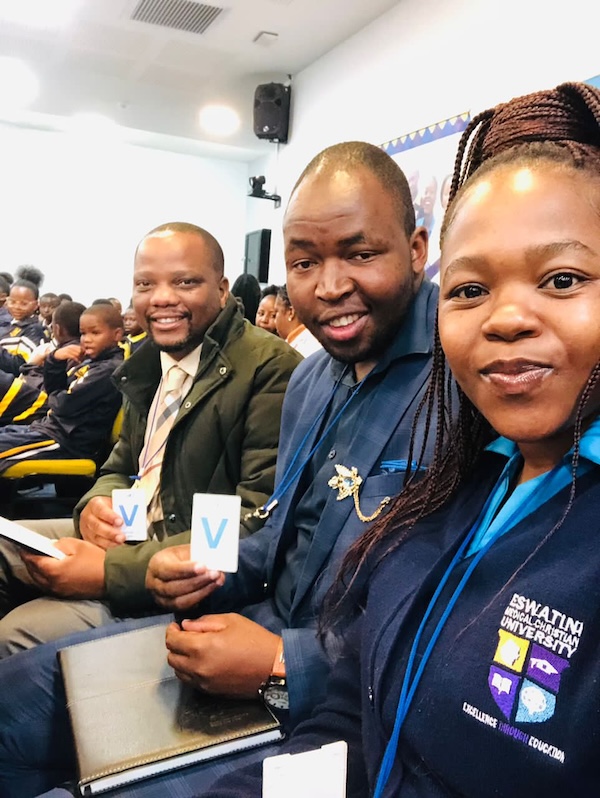
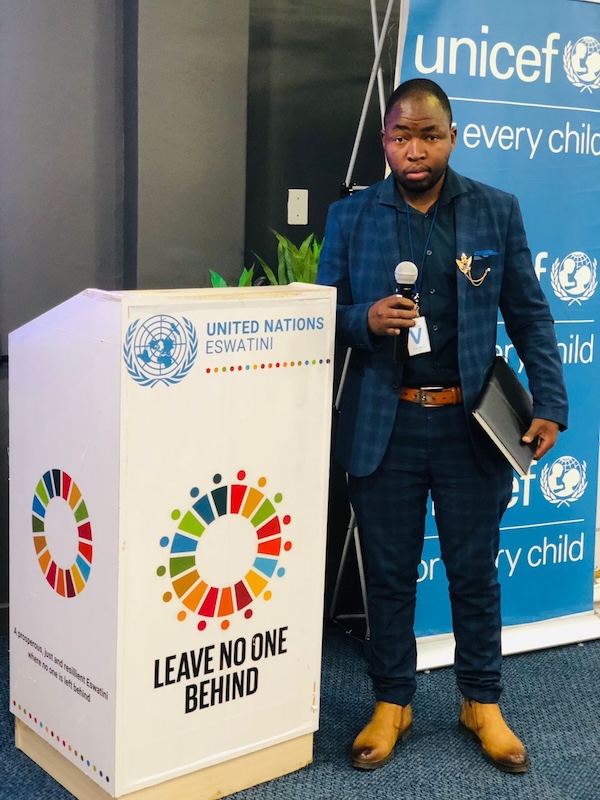
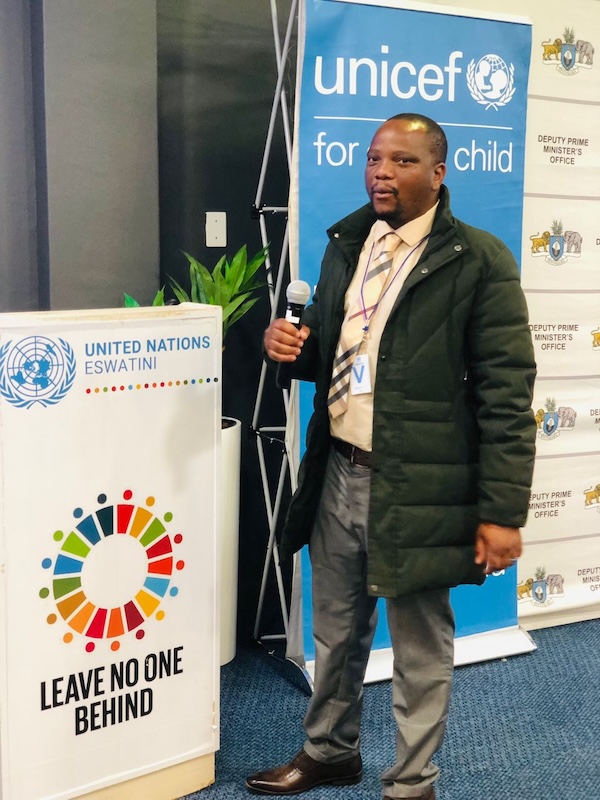
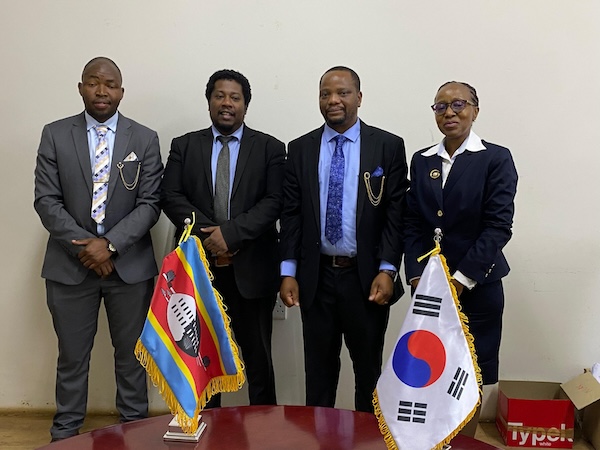
Recognizing that impactful advocacy requires collaboration, the mentee and mentor engaged in strategic partnerships with key stakeholders. Meetings with the Deputy Prime Minister’s (DPM) Office in Eswatini secured vital political endorsement, aligning the conference with national priorities. UNICEF’s role as a key partner provided technical expertise and reinforced the focus on child rights financing. Media engagement was also prioritized to amplify advocacy efforts, ensuring broader public awareness and support. The mentor and mentee’s participation in the Children’s Month Launch at the United Nations Offices further strengthened ties with policymakers and international partners, enhancing the conference’s visibility and influence. These strategic partnerships exemplify the multi-sectoral collaboration necessary for advancing child rights and responsive budgeting across Africa.

V. Mobilizing Support: Students and Faculty Engagement

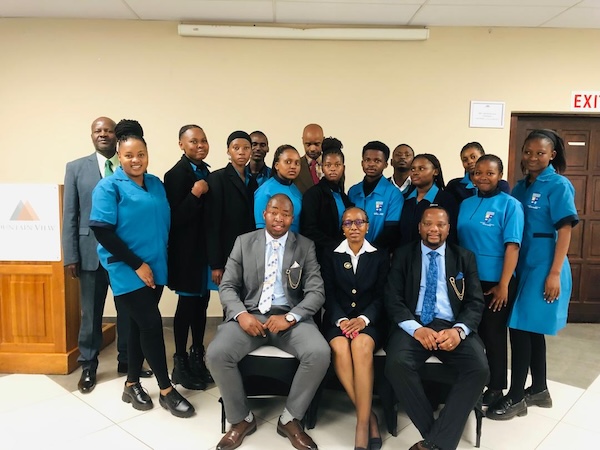
Mobilizing a diverse student body across African universities posed significant challenges, including resource constraints and varying levels of awareness about child rights budgeting. Drawing on the spirit of Ubuntu, the mentee fostered a collaborative environment that encouraged collective action. Engagement with students from Eswatini Medical Christian University (EMCU) and the University of Eswatini (UNESWA) resulted in a robust call for abstracts, ensuring academic rigor and diversity in conference presentations. The mentee also successfully advocated for financial support from EMCU’s management, enabling wider student participation. These efforts not only facilitated a vibrant and inclusive conference but also promoted research and advocacy aligned with responsive budgeting principles, underscoring the critical role of academic institutions in nurturing future leaders.

VI. A Successful Conference: Reflections and Outcomes

On June 16, 2025, the DAC-SWSDSC Conference convened a dynamic assembly of students, policymakers, and social work practitioners. The conference featured in-depth discussions on responsive budgeting for child rights exemplifies effective child-focused budget tracking. Sessions also explored the integration of Ubuntu in child rights budgeting and policy implementation, highlighting how collective responsibility can enhance policy outcomes. The importance of child participation in budgeting processes was emphasized, reinforcing the need for inclusive and transparent governance.

Reflecting on the experience, the mentee shared, “The mentorship experience was truly transformative for my leadership journey,” the mentee reflected. Chairing this conference has been a valuable learning curve that has significantly boosted my confidence. I am grateful for the guidance and support I received from my mentor. This experience has reinforced my belief that mentorship is a powerful tool for young leaders’ transformation, enabling us to grow, learn, and thrive in our roles.” The mentor added, “Kuumba means innovating beyond traditional teaching—mentorship shapes Africa’s next advocates.”
VII. Conclusion

This mentee-mentor partnership exemplifies how African philosophies of Ubuntu and Kuumba can foster transformative leadership in child rights advocacy. By combining ethical governance with creative problem-solving, this model strengthens social work education and advocacy across the continent. To build on this success, future initiatives should expand mentorship programs for emerging leaders, enhance research on child-inclusive budgeting, and strengthen multi-sectoral partnerships to maximize policy impact. Investing in such leadership development ensures that child rights move beyond policy documents into lived realities—fulfilling the true legacy of the Day of the African Child Social Work & Social Development Student Conference.

Use the form below to subscibe to Owia Bulletin.

Day of the African Child Tags:#DACC25, #eswatini

Post navigation

Previous Post: Opportunity to provide DAC conference feedback
Next Post: Ubuntu and the Hadzabe

AFRICA-WIDE INSTITUTIONS

ASWEA logo

ASWEA

1971-1989

Umoja waAfrika (AU) Former OAU Toto/Brief | Agenda63

ADF

Part of ADB

ASSWA logo

ASSWA

Since 2005

PAWO (AU Arm)

Facebook | X

COUNTRY INFORMATION (SOCIAL WORK & DEVELOPMENT)

  • Algeria ๐Ÿ‡ฉ๐Ÿ‡ฟ
  • Angola ๐Ÿ‡ฆ๐Ÿ‡ด
  • Benin ๐Ÿ‡ง๐Ÿ‡ฏ
  • Botswana ๐Ÿ‡ง๐Ÿ‡ผ
  • Burkina Faso ๐Ÿ‡ง๐Ÿ‡ซ
  • Burundi ๐Ÿ‡ง๐Ÿ‡ฎ
  • Cabo Verde ๐Ÿ‡จ๐Ÿ‡ป
  • Cameroon ๐Ÿ‡จ๐Ÿ‡ฒ
  • Central Africa Republic ๐Ÿ‡จ๐Ÿ‡ซ
  • Chad ๐Ÿ‡น๐Ÿ‡ฉ
  • Comoros ๐Ÿ‡ฐ๐Ÿ‡ฒ
    • Mayotte of Comoro
  • Congo, DR ๐Ÿ‡จ๐Ÿ‡ฉ
  • Congo ๐Ÿ‡จ๐Ÿ‡ฌ
  • Cote D’Ivoire ๐Ÿ‡จ๐Ÿ‡ฎ
  • Djibouti ๐Ÿ‡ฉ๐Ÿ‡ฏ
  • Egypt ๐Ÿ‡ช๐Ÿ‡ฌ
  • Equatorial Guinea ๐Ÿ‡ฌ๐Ÿ‡ถ
  • Eritrea ๐Ÿ‡ช๐Ÿ‡ท
  • Eswatini ๐Ÿ‡ธ๐Ÿ‡ฟ
  • Ethiopia ๐Ÿ‡ช๐Ÿ‡น
  • Gabon ๐Ÿ‡ฌ๐Ÿ‡ฆ
  • Gambia, The ๐Ÿ‡ฌ๐Ÿ‡ฒ
  • Ghana ๐Ÿ‡ฌ๐Ÿ‡ญ
  • Guinea ๐Ÿ‡ฌ๐Ÿ‡ณ
  • Guinea-Bissau ๐Ÿ‡ฌ๐Ÿ‡ผ
  • Kenya ๐Ÿ‡ฐ๐Ÿ‡ช
  • Lesotho ๐Ÿ‡ฑ๐Ÿ‡ธ
  • Liberia ๐Ÿ‡ฑ๐Ÿ‡ท
  • Libya ๐Ÿ‡ฑ๐Ÿ‡พ
  • Madagascar ๐Ÿ‡ฒ๐Ÿ‡ฌ
  • Malawi ๐Ÿ‡ฒ๐Ÿ‡ผ
  • Mali ๐Ÿ‡ฒ๐Ÿ‡ฑ
  • Mauritania ๐Ÿ‡ฒ๐Ÿ‡ท
  • Mauritius ๐Ÿ‡ฒ๐Ÿ‡บ
  • Morocco ๐Ÿ‡ฒ๐Ÿ‡ฆ
  • Mozambique ๐Ÿ‡ฒ๐Ÿ‡ฟ
  • Namibia ๐Ÿ‡ณ๐Ÿ‡ฆ
  • Niger ๐Ÿ‡ณ๐Ÿ‡ช
  • Nigeria ๐Ÿ‡ณ๐Ÿ‡ฌ
  • Rwanda ๐Ÿ‡ท๐Ÿ‡ผ
  • Sao Tome and Principe ๐Ÿ‡ธ๐Ÿ‡น
  • Senegal ๐Ÿ‡ธ๐Ÿ‡ณ
  • Seychelles ๐Ÿ‡ธ๐Ÿ‡จ
  • Sierra Leone ๐Ÿ‡ธ๐Ÿ‡ฑ
  • Somalia ๐Ÿ‡ธ๐Ÿ‡ด
  • South Africa ๐Ÿ‡ฟ๐Ÿ‡ฆ
  • South Sudan ๐Ÿ‡ธ๐Ÿ‡ธ
  • Sudan ๐Ÿ‡ธ๐Ÿ‡ฉ
  • Togo ๐Ÿ‡น๐Ÿ‡ฌ
  • Tanzania ๐Ÿ‡น๐Ÿ‡ฟ
  • Tunisia ๐Ÿ‡น๐Ÿ‡ณ
  • Uganda ๐Ÿ‡บ๐Ÿ‡ฌ
  • Western Sahara (SADR)
  • Zambia ๐Ÿ‡ฟ๐Ÿ‡ฒ
  • Zimbabwe ๐Ÿ‡ฟ๐Ÿ‡ผ
  • โ€œDongoโ€
  • ‘Wakanda’
  • Umoja waAfrica (African Union)
  • Afro-Caribbeans
    • Haiti
  • Afro-Latinos
  • Melanesia
    • Aboriginal Countries
    • Papua New Guinea
    • West Papua
  • Afro-Asians โ€˜Sidiโ€™

Decolonisation Calculator (DECA). What is the rate of decolonisation of social work and development training, education and research in your country? Use this simple calculator.

COVID-19 FINAL UPDATE: Africa Infections: 12.3 million people. Deaths 260 000. World infections: 650 million. Deaths 6.7 million. Data aggregated by ASWDNet on 12 December 2022. View this COVID-19 references list for Africa.

Search

Policies | Guidelines | Checklists

  • AI Policy
  • San Code of Ethics
  • Journal Writing Guide
  • Ubuntu Principles in Fundraising & Charity
  • Comments Policy
  • Publisher Checker
  • Decolonisation Calculator
  • African Research Ethics & Malpractice Statement
  • Privacy & Cookie Policy
  • Email, Data and Social Media Policy
  • How Annonciata Niyibizi Muhayimana created the Ingata of Life Narrative Model
  • When Resilience Becomes a Burden: The Hidden Struggles of Women Researchers in Africa
  • Borderless borders: how Dangote’s African Renaissance Group is putting muscle behind Mbeki’s African Renaissance Theory
  • Social Development Award Statement by Vongai P Mangwiro
  • Development Worker of the Year 2026 Statement by Bikila Tesfaye
  • Become a Blogger Blogging
  • Welcome to the AFRICASOCIALWORK.NET All Posts Basket
  • Become a Blogger All Posts Basket
  • The political, legal, radical and policy role of social work in Africa Admin ASWDNet
  • Egypt’s history of social work and social services All Posts Basket
  • Ubuntu and Social Work Resources All Posts Basket
  • Ubuntu Theories All Posts Basket
  • Ethiopian History of Social Work and Social Services All Posts Basket

Email Sign In


Website Log In


Mfundo | Courses | CPD Log In


Members Portal

COPYRIGHT ยฉ 2020 to 2030: Mtandao - Africa Social Work and Development Network (ASWDNet) | UBUNTU ACKNOWLEDGEMENT - We pay our respects to those who came before us, our Elders and forefathers and mothers, who are the sources and protectors (against colonisation) of the knowledge and wisdom that continue to shape lives, teaching, learning, research, and practice across generations. Because they were, we are. Asante. Siyabonga. Tatenda. Waaw. ร€แนฃรฉ.