Skip to content
  • Home
  • About|Join
  • Ethics
  • Events
  • Certificates
  • OwiaNews
  • Journals
  • DecoloniseCalculators
  • Mfundo|CPD
  • FundiDictionary
  • Awards
  • Ushahidi
  • DACCS
  • Kuumba
  • Submit
  • WSWSD Conference Nairobi | Mtandao Exhibition
  • Mental Health Masterclass
  • Catalogue
  • Consultancy
  • Shop
  • Twitter
  • Facebook
  • LinkedIn
  • YouTube
  • Academia AJSW
  • Instagram
Africa Social Work and Development Network | Mtandao waKazi zaJamii naMaendeleo waAfrica

Africa Social Work & Development Network | Mtandao waKazi zaJamii naMaendeleo waAfrika

Mtandao creates, aggregates and disseminates information and resources to facilitate Social Work and Development Work in Africa.

  • ACADEMICS
    • Lecture Resources
    • Lectures
    • Fieldwork Resources
    • Approaches to assessing learning
    • Book Publishing
      • Book_Professional Social Work in Zimbabwe
    • Types of University Assessments
    • ASWDNet Guide to Writing (Journals)
    • ASWDNet Guide to Writing and Publishing
  • PRACTITIONERS
    • Values and Ethics in Africa
    • Africa Social Work and Development Awards
    • Continuous Professional Development (CPD)
    • Templates, Models, Frameworks, Assessment Tools and Questionnaires
    • African Theories
    • Supervision
  • STUDENTS
    • Social Work and Development Student Conference (SWDSC)
    • 12 Steps to Get Published
    • Tips for Prospective Doctoral Students
    • ASWDNet Guide to Writing (Academic Research Brief| Proposal | Thesis)
    • Writing a journal article could be as easy as making fufu, nsima, ugali or matoke!
    • Lectures
    • Glossary of Publishing Terms
  • RESEARCHERS
    • Research Methods
    • Qualitative data levels of analysis
    • African Independent Ethics Committee (AIEC)
    • Research Questions Bank
    • Publisher/Journal Checker
    • Research Strategies
    • Reviewers
    • Ubuntu Research Group (URG)
    • Kuumba (Mentoring)
      • SURVEY OF SOCIAL PROBLEMS AND CHALLENGES FOR AFRICA
      • Mentees
      • Mentors
      • Guidelines
    • Afrocentric Mentoring Project (AfroME)
      • Team
      • Partners
      • Call for Applications for the Afrocentric and Decolonial Social Work Mentoring Project (now closed)
  • ASSOCIATIONS
  • TRAINING INSTITUTIONS
  • COMMUNITIES
    • Ubuntu Fundraising and Charity Principles
    • COVID-19
    • Social Work for Children
    • Funda KiSwahili
  • MEMBERS
  • Africa Philosophy
  • African Theories
  • Research Methods
  • Library | Databases
  • Social Work
    • Social Work Education institutions (SWEI) in Africa
    • Biography of Social Development in Africa
      • Charlotte Makgomo-Mannya Maxeke (1871-1939)
      • Zahia Marzouk (1906 – 1988)
      • Regina Gelana Twala (1908-1968)
      • Mai Musodzi Chibhaga Ayema (1885-1952)
      • Nnoseng Ellen Kate Kuzwayo (1914 – 2006)
      • Joshua Mqabuko Nyongolo Nkomo (19 June 1917 – 1 July 1999)
      • Jairos Jiri (1921 – 1982)
      • Kenneth Buchizya Kaunda (1924-2021)
      • John Samuel Mbiti (1931-2019)
      • Gibson Mthuthuzeli Kent (1932-2004)
      • Winnie Madikizela-Mandela 1936–2016
      • Ngugi wa Mirii (1951 – May 3, 2008)
      • Andrew Chad Nyanguru (28 Mar 1953-14 May 2014)
      • Professor Rodreck Mupedziswa
      • Edwell Kaseke (1954-2017)
      • Lovemore Mbigi
      • Selassie Seyoum Gebre (1936-)
      • Arega Yimam (-c1989)
      • Dr Noel Garikai Muridzo
      • Dr Edmos Mthethwa
      • Phillip Manyanye Bohwasi
      • Wassie Kebede
      • Gidraph G Wairire
      • Wangari Muta Maathai
      • Uzoma Odera Okoye, Dr
    • Social Work Journals and Other Serial Publications in Africa (ASWDNet Index)
    • Association of Social Work Education in Africa (ASWEA) – 1965 to 1989
    • Future of Social Work in Africa
    • Environmental Social Work
  • Development
    • Developmental Work Database
  • Ubuntu
    • Ubuntu Research Group (URG)
    • Ushahidi Platform
    • Ubuntu Fundraising and Charity Principles
    • Ubuntu Bibliography
    • Ubuntu Survey
    • Ubuntu Annual Lecture
    • Ubuntu Interview Guide Sample
  • Africa
    • African Anthem (African Union)
    • Umoja waAfrica (African Union)
    • African symbols and alphabets
    • Fundi – The African Dictionary and Encyclopaedia of Social Work and Development
    • Africa Religion (uAfrica)
    • Africa Research Ethics and Malpractice Statement (AREMS)
    • The San Code of Research Ethics (San Code)
  • Blog
    • Our Ubuntu-inspired Comments Policy
    • Become a Blogger
    • Admin ASWDNet
    • Babekazi
    • Professor Roy@Indigenous Social Work
    • Mutape J.D.S Sithole
    • Alemayehu Gebru from Ethiopia, Jimma City
    • Rugare Mugumbate
    • Decolonise
    • Writing and Publishing
    • Development
    • Toto
    • Ms. Alexandra Thokozile Mliswa (MSc,LLB, BA)
    • Environmental work
    • Africa religion | Spirituality
    • Kudzai Mwapaura blogger
    • All Posts Basket
  • Mfundo | CPD
    • Profile
    • Mfundo|Training
    • Research Ethics Course (REC)
    • Ubuntu Basics Course
    • Peer Reviewers Course (Hwe Mu Dua)
    • Mfundo Terms and Conditions

[aioseo_breadcrumbs]
What Children Have to Say: A Love Letter to Eswatini’s Children, and a Gentle Rethink Children
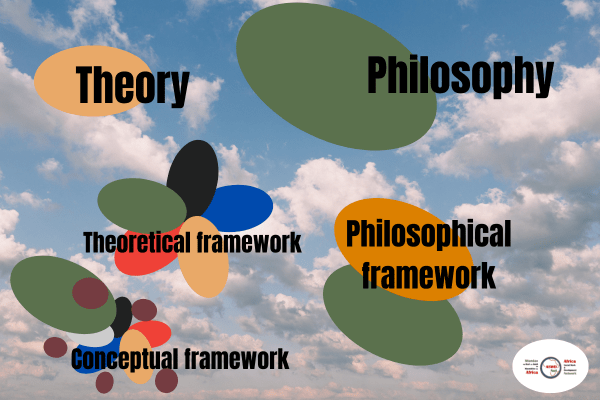
Designing philosophical, theoretical, and conceptual approaches in research Research
‘Come through the door, not the window’: The San Code of Research Ethics (San Code) Admin ASWDNet

Call for Abstracts for the 2026 Joint World Conference on Social Work and Social Development (SWSD 2026) is now open!

Posted on 3 October 20253 October 2025 By aswnetadmin 2 Comments on Call for Abstracts for the 2026 Joint World Conference on Social Work and Social Development (SWSD 2026) is now open!

This post was copied for the conference website.

The official Call for Abstracts for the 2026 Joint World Conference on Social Work and Social Development (SWSD 2026) is now open!

Organised by the International Association of Schools of Social Work (IASSW), the International Council on Social Welfare (ICSW), and the International Federation of Social Workers (IFSW), SWSD 2026 will take place in Nairobi, Kenya, from 26 to 29 June 2026.

The event will be hosted by the Kenya National Association of Social Workers (KNASW) at the iconic Kenyatta International Convention Centre (KICC), under the theme “Harambee for Sustainable Shared Futures”. Rooted in East African philosophy, Harambee calls us to collective action, unity, and mutual support as we work together to advance the global social work agenda.

SWSD 2026 invites social workers, educators, researchers, policymakers, community leaders, and activists to share their insights, innovations, and experiences. Submissions are welcome in various formats, including papers, posters, workshops, and research presentations.

Abstracts should respond to one or more of the conference’s key sub-themes:

  • Reclaiming and Reimagining Social Work Practice
  • Social Work Education, Pedagogy and Research
  • Social Work and Social Welfare Across the Lifespan
  • Social Work and Sustainable Development
  • Clinical Social Work, Health and Wellbeing
  • Social Work Practice in the Face of Complex Global Challenges
  • Social Movements, Political Social Work and Building Democratic Societies
  • Digital Social Work

Whether you are a seasoned practitioner or an emerging voice in the field, we encourage you to be part of this important global dialogue as we build pathways toward equity, dignity, and sustainability.

To submit your abstract or register, please click here. 
Download the conference flyer and share with your networks

Join others in Nairobi – in the spirit of Harambee – to shape the future of social work and social development together.

Use the form below to subscibe to Owia Bulletin.

Admin ASWDNet Tags:Conferences

Post navigation

Previous Post: Artificial Intelligence (AI), technocolonial and decolonisation in African Social Work Education and Practice
Next Post: Maathai’s Under the Tree Indaba (MUTI) teaching and learning approach

Comments (2) on “Call for Abstracts for the 2026 Joint World Conference on Social Work and Social Development (SWSD 2026) is now open!”

  1. DANIEL URANTA says:
    4 October 2025 at 17:19

    Pls what are the sub topics for the abstract l cannot find it anywhere.It had delayed my submission,l am from Nigeria, Prof Daniel Uranta of University of Port Harcourt Rivers State.

    On Fri, Oct 3, 2025, 12:02 PM Africa Social Work & Development Network |

    Log in to Reply
    1. aswnetadmin says:
      9 October 2025 at 09:28

      Hello Prof Uranta,

      The subthemes are:

      Reclaiming and Reimagining Social Work Practice

      Addressing post-colonial challenges and colonial continuities in social work and social development; global inequities, diversity, equity, and inclusion in practice; Decolonizing and indigenizing social work, Indigenous and alternative philosophies (Ubuntu, Buen Vivir, Harambee, Ujamaa, Sankofa, etc), Culture, religion and spirituality in social work; empowerment and community resilience; Social service workforce strengthening.

      Social Work Education, Pedagogy and Research
      Innovating and reconfiguring the social work curriculum to meet emerging local, regional and global challenges; Co-creation in social work education; innovative teaching and learning methods; Field practice education; Inter-Professional collaboration; Mentorship and supervision; Lifelong learning and continuous professional development; Innovative and Indigenous research methods; Bridging the North – South divide in scientific writing and publishing; Democratising knowledge and promoting epistemic freedom in social work.

      Social Work and Social Welfare Across the Lifespan
      Strengthening families and communities; Safeguarding and protecting children and other vulnerable populations; Intergenerational solidarity: promoting participation of youth and older persons; Bridging policy and practice: developing legal frameworks and social protection systems for universal and sustainable coverage; Social care and support frameworks and strategies; Addressing pressing social challenges: poverty, inequality, and social justice; Integrating intersectionality and lived experiences in social work; Navigating ethics, ethical dilemmas, and human rights in practice; Advancing participatory approaches in social work.

      Social Work and Sustainable Development
      Sustainable development and transformative change; 2030 Agenda for sustainable development (SDGs); Consensus and contradictions on sustainability and social development; Building sustainable and inclusive urban and rural communities; Climate change: Social work in the green economy and clean energy transition; Food security and sustainable food systems; Promoting sustainable livelihoods in the face of economic shifts; Gender equality and women’s empowerment; Social work in schools and education settings: Creating safe and inclusive learning environments; Social work in the criminal justice system: innovative approaches and practice methods; International aid and development, how much are we losing/gaining? Social work in a post foreign aid practice environment; Social work and rural social innovation for social development; Employment for social workers- responding to the emerging policy arena as a profession; transforming social policies.

      Clinical Social Work, Health and Wellbeing
      Mental health and psychosocial well-being in crisis contexts; Disability, rehabilitation and inclusive health technologies; Social work in the digital health era, Addressing substance abuse; Addiction, and recovery pathways; Medical Social Work: Holistic health care and patient advocacy, Social work ethics and practice in ‘medical tourism’; Service involvement in medical social work education; Self-care in clinical social work.

      Social Work Practice in the Face of Complex Global Challenges
      Addressing systemic inequalities caused by globalization, climate crises, political conflicts, and economic transitions; Social work in a post-COVID world; Migration, refugee crisis, global mobility; Labour migration, human trafficking and the role of social work; Addressing domestic violence, gender based violence and violence against children; Combating child labour and exploitation; Social work intervention in conflict and post conflict situations, environmental disasters and social emergencies.

      Social Movements, Political Social Work and Building Democratic Societies
      Governance, politics, peacebuilding, and conflict resolution; Emancipating voices; Youth movements, and social justice; Cross-cultural movements—the global impact of coalitions in influencing social policies; Social work, political activism and citizen empowerment to promote social change; Models of social welfare in a democratic society; Social work’s response to the role of media, technology, and communication in shaping social narratives.

      Digital Social Work
      Social work and technology (Digital social work and artificial intelligence, navigating and addressing the digital divide; ethics in digital social work education and practice. Digital platforms for social service delivery; Technology-mediated interventions; Virtual communities and online support networks; Data privacy, security and informed consent in digital practice; Tele-assistance and remote counselling ethics; Digital literacy for practitioners and service users; Algorithmic bias and digital inequality; Technology-enhanced supervision and collaboration models; Ethical frameworks for AI applications in social services; Preparing future practitioners for digitally integrated practice.

      Log in to Reply

Leave a Reply Cancel reply

You must be logged in to post a comment.

AFRICA-WIDE INSTITUTIONS

ASWEA logo

ASWEA

1971-1989

Umoja waAfrika (AU) Former OAU Toto/Brief | Agenda63

ADF

Part of ADB

ASSWA logo

ASSWA

Since 2005

PAWO (AU Arm)

Facebook | X

COUNTRY INFORMATION (SOCIAL WORK & DEVELOPMENT)

  • Algeria 🇩🇿
  • Angola 🇦🇴
  • Benin 🇧🇯
  • Botswana 🇧🇼
  • Burkina Faso 🇧🇫
  • Burundi 🇧🇮
  • Cabo Verde 🇨🇻
  • Cameroon 🇨🇲
  • Central Africa Republic 🇨🇫
  • Chad 🇹🇩
  • Comoros 🇰🇲
    • Mayotte of Comoro
  • Congo, DR 🇨🇩
  • Congo 🇨🇬
  • Cote D’Ivoire 🇨🇮
  • Djibouti 🇩🇯
  • Egypt 🇪🇬
  • Equatorial Guinea 🇬🇶
  • Eritrea 🇪🇷
  • Eswatini 🇸🇿
  • Ethiopia 🇪🇹
  • Gabon 🇬🇦
  • Gambia, The 🇬🇲
  • Ghana 🇬🇭
  • Guinea 🇬🇳
  • Guinea-Bissau 🇬🇼
  • Kenya 🇰🇪
  • Lesotho 🇱🇸
  • Liberia 🇱🇷
  • Libya 🇱🇾
  • Madagascar 🇲🇬
  • Malawi 🇲🇼
  • Mali 🇲🇱
  • Mauritania 🇲🇷
  • Mauritius 🇲🇺
  • Morocco 🇲🇦
  • Mozambique 🇲🇿
  • Namibia 🇳🇦
  • Niger 🇳🇪
  • Nigeria 🇳🇬
  • Rwanda 🇷🇼
  • Sao Tome and Principe 🇸🇹
  • Senegal 🇸🇳
  • Seychelles 🇸🇨
  • Sierra Leone 🇸🇱
  • Somalia 🇸🇴
  • South Africa 🇿🇦
  • South Sudan 🇸🇸
  • Sudan 🇸🇩
  • Togo 🇹🇬
  • Tanzania 🇹🇿
  • Tunisia 🇹🇳
  • Uganda 🇺🇬
  • Western Sahara (SADR)
  • Zambia 🇿🇲
  • Zimbabwe 🇿🇼
  • “Dongo”
  • ‘Wakanda’
  • Umoja waAfrica (African Union)
  • Afro-Caribbeans
    • Haiti
  • Afro-Latinos
  • Melanesia
    • Aboriginal Countries
    • Papua New Guinea
    • West Papua
  • Afro-Asians ‘Sidi’

Decolonisation Calculator (DECA). What is the rate of decolonisation of social work and development training, education and research in your country? Use this simple calculator.

COVID-19 FINAL UPDATE: Africa Infections: 12.3 million people. Deaths 260 000. World infections: 650 million. Deaths 6.7 million. Data aggregated by ASWDNet on 12 December 2022. View this COVID-19 references list for Africa.

Search

Policies | Guidelines | Checklists

  • AI Policy
  • San Code of Ethics
  • Journal Writing Guide
  • Ubuntu Principles in Fundraising & Charity
  • Comments Policy
  • Publisher Checker
  • Decolonisation Calculator
  • African Research Ethics & Malpractice Statement
  • Privacy & Cookie Policy
  • Email, Data and Social Media Policy
  • What Children Have to Say: A Love Letter to Eswatini’s Children, and a Gentle Rethink
  • Designing philosophical, theoretical, and conceptual approaches in research
  • ‘Come through the door, not the window’: The San Code of Research Ethics (San Code)
  • How do I live Ubuntu if it is not my people’s philosophy?
  • This is the decade of Africa in global social work and social development. Why? An answer from Mtandao with options for the next decade
  • Become a Blogger Blogging
  • Welcome to the AFRICASOCIALWORK.NET All Posts Basket
  • Become a Blogger All Posts Basket
  • The political, legal, radical and policy role of social work in Africa Admin ASWDNet
  • Egypt’s history of social work and social services All Posts Basket
  • Ubuntu and Social Work Resources All Posts Basket
  • Ubuntu Theories All Posts Basket
  • Ethiopian History of Social Work and Social Services All Posts Basket

Email Sign In


Website Log In


Mfundo | Courses | CPD Log In


Members Portal

COPYRIGHT © 2020 to 2030: Mtandao - Africa Social Work and Development Network (ASWDNet) | UBUNTU ACKNOWLEDGEMENT - We pay our respects to those who came before us, our Elders and forefathers and mothers, who are the sources and protectors (against colonisation) of the knowledge and wisdom that continue to shape lives, teaching, learning, research, and practice across generations. Because they were, we are. Asante. Siyabonga. Tatenda. Waaw. Àṣé.