Day of the African Child (DAC) 2024
Education for all children in Africa: the time is now
Theme for 2024
- Social Work and Development Student Conference (SWDSC)
- Importance of DAC for social work and development
- African Committee of Experts on the Rights and Welfare of the Child (ACERWC)
- DAC themes since 2002
- Rationale for DAC 2024
- Objectives of DAC 2024
On 16 June, Africa commemorates the Day of the African Child. In South Africa, 16 June is Youth Day, a public holiday. The theme for 2024 is Education for all children in Africa: the time is now, you can read the AU concept note here.
In 1991, the Assembly of Heads of State and Government of the OAU instituted the
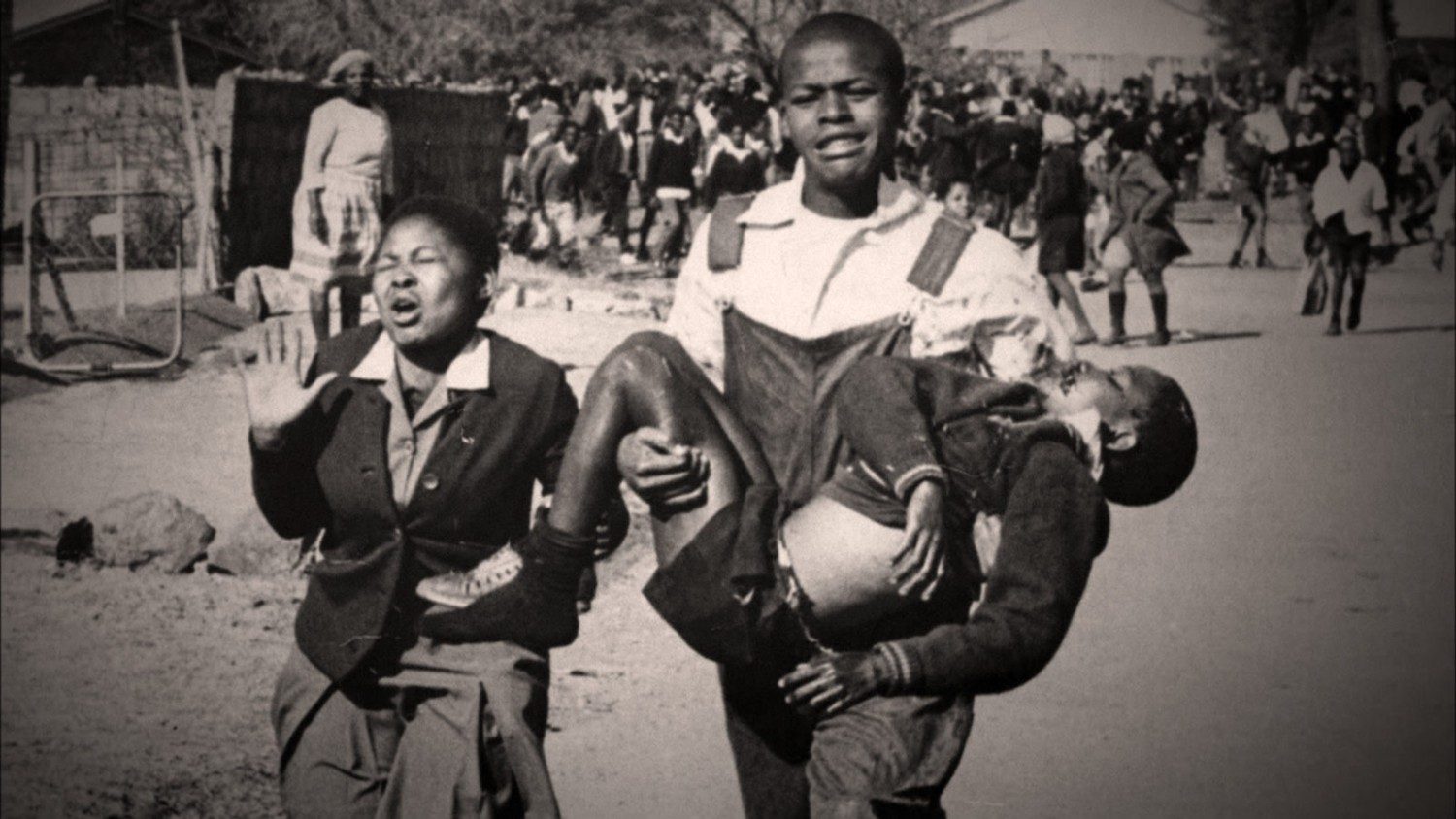
Day of the African Child (DAC) in memory of the 16th June 1976 student uprising in
Soweto, South Africa. At that time, students marched in protest against the poor quality
of education they received and demanded to be taught in their languages. The DAC
serves to commemorate these children and the brave actions they took in defence of
their rights. The DAC thus celebrates the children of Africa and calls for serious
introspection and commitment towards addressing the numerous challenges children
across the continent face.African Committee of Experts on the Rights and Welfare of the Child(ACERWC)


Social Work and Development Student Conference (SWDSC)
This year the ASWDNet hosted the 2nd conference that was organised by students.

To learn more about Day of the African Child Africa, visit this African Union (AU)’s African Committee of Experts on the Rights and Welfare of the Child (ACERWC) website: http://www.acerwc.africa/en/dac/day-african-child-dac-2024
Importance of DAC for social work and development
As social workers, our work with children is significant. We drive development programs targeted at children, we strengthen families and communities and we have a policy role too. We also have a political role, and a big lesson from this day comes from its history. On this day in 1976, over a hundred children were murdered by armed police officers in Soweto, South Africa during a demonstration against educational segregation, apartheid and colonisation. Thousands were injured. About 10 000 – 20 000 marched in what became known as the Soweto Uprising. The lesson here is, if children find means to become political, how much can social workers do politically.
African Committee of Experts on the Rights and Welfare of the Child (ACERWC)

The ACERWC draws its mandate from articles 32-46 of the African Charter on the Rights and Welfare of the Child, which was adopted by the Heads of State and Government of the OAU on 11th July 1990 and came into force on 29th November 1999. One of their roles is to organise DAC. Previous DAC themes are shown int he table.
DAC themes since 2002
| Year | Theme OF DAC |
|---|---|
| 2002 | “Popularizing the African Charter on the Rights and Welfare of the Child” |
| 2003 | “Birth Registration” |
| 2004 | “Child and the Family” |
| 2005 | “Africa’s Orphans and Vulnerable Children: Our Collective Responsibility” |
| 2006 | “Right to Protection; Stop Violence against Children” |
| 2007 | “Combat Child Trafficking” |
| 2008 | “Child Participation” |
| 2009 | “Africa Fit for Children: A Call for Accelerated Action Towards Child Survival” |
| 2010 | “Planning and Budgeting for the Rights of the Child: A Collective Responsibility” |
| 2011 | “All Together for Urgent Actions in Favor of Street Children” |
| 2012 | “The Rights of Children with Disabilities: The Duty to Protect, Respect, Promote and Fulfill.” |
| 2013 | “Eliminating Harmful Social and Cultural Practices affecting Children: our Collective Responsibility“ |
| 2014 | “A Child friendly, quality ,free and compulsory education for all children in Africa” |
| 2015 | “25 Years after the adoption of the African Children’s Charter: Accelerating our Collective Efforts to End Child Marriage in Africa” |
| 2016 | “Conflict and Crisis in Africa: Protecting all Children’s Rights” |
| 2017 | “The 2030 Agenda for Sustainable Development for Children in Africa: Accelerating Protection, Empowerment and Equal Opportunity” |
| 2018 | “No Child Left Behind” |
| 2019 | “Humanitarian Action in Africa: Children’s Rights First“ |
| 2020 | “Access to a child-friendly Justice System in Africa“ |
| 2021 | “30 years after the adoption of the Charter: accelerate the implementation of Agenda 2040 for an Africa fit for children“ |
| 2022 | “Eliminating Harmful Practices Affecting Children: Progress on Policy & Practice since 2013″ |
| 2023 | “The Rights of the Child in the Digital Environment“ |
| 2024 | Education for all children in Africa: the time is now |
DAC themes since 2002
Rationale for DAC 2024
“The theme of the DAC 2024 has two major components: ‘ education for all’ and ‘the time is now’. The aspect of ‘education for all’ is key because the African Charter on the Rights and Welfare of the Child under Article 11(1) states that ‘Every child shall have the right to an education’. Education is the right of all children in Africa equally despite their location, race, parental status, disability, gender, and any other status.
The landmark global initiative on ‘Education for All’ was launched in 1990 by UNESCO to enhance access to education. Following such and many other initiatives, African Governments have been and are undertaking various measures to realize the right to education of children which has resulted in an increase in the number of children in schools across the continent. Steps have also been taken to provide free primary education and bridge the gender gap in primary education enrolment. Over half of Member States have adopted inclusive education policies in principle. However, the concept of education for all is not the reality of many African children. The continent has not achieved its targets of universal education, and statistics from UNESCO reveal that 20% of children between 6 and 11, 30% of children between 12 and 14, and 60% of children between 15 and 17 years are out of school in Africa. This shows that even if school enrolment has increased, there is a high rate of dropouts from schools. Some of the main factors that affect enrolment and retention in most African countries include child poverty, gender-based discrimination and violence, conflict and crisis, disability, and displacement. Teenage pregnancy and lack of access to sanitary pads are among the main reasons for the dropout of girls from schools, which in turn perpetuates and increases gender parity in higher grades.8 The high prevalence of sexual exploitation and abuse of children in Africa and the lack of services for survivor is another factor that forces children to leave schools. Children’s right to education is also greatly affected by conflict due to the closure of schools, attacks on schools, and recruitment of children in the armed forces. Emergencies such as pandemics and natural disasters, climate change, and migration in the continent have resulted in a relapse of some of the gains that had been achieved in realising the right to education.In addition, the physical and economic inaccessibility of education, poor quality of education, and inadequate funding to the education sector remain challenges in the realisation of children’s rights to education. Hence, some groups of children are more adversely affected than others in terms of access to education, and these include girls, children with disabilities, children on the move, children in conflict situations, children in conflict with the law, children in street situations, children without identity documents, marginalized children, and children living in remote areas among others.
Moreover, exclusion might result from how educational institutions operate. High violence in schools, including corporal punishment, lack of hygiene facilities, including clean water in schools, hidden costs attached to primary education even when education is free, and discrimination against pregnant and married girls are forms of exclusion that emanate from education regulations and the operation of schools.
Furthermore, harmful practices prevalent in Africa, such as child marriage, FGM, child labour, child begging, and others, affect children’s enjoyment of the right to education. The impact of lack of sexual reproductive and health services on the full enjoyment of the right to education is vividly observed in Africa The lack of policies and strategies that respond to emerging situations and the lack of emergency preparedness, especially in the education sector, exacerbate the negative impact of emerging issues on the right to education. Poverty and unemployment of parents and caregivers are also factors that deprive African children of their right to education.
Early Childhood Education (Pre-primary education) is an area that has not been taken up by most African Countries because public pre-primary education is at a very low rate and is mainly provided by the private sector.9 Early childhood education is also crucial for vulnerable children such as those without parental care. The exclusion of such a large group of children from education negates the concept of ‘education for all’; therefore, the Committee notes that the right to education for all needs to be amplified now more than ever
The second aspect of the theme for DAC 2024 is ‘the time is now’ which mainly has to do with the role and impact of education for the development of children as well as addressing various emerging challenges. Education is not only a substantive right, it also facilitates the realization of other rights of children and the elimination of discrimination against children.
The population of African children is estimated to reach 1 billion in 2055, making the continent with the largest number of children.11 This denotes how investing on children is critical and determinant for achieving Africa’s development agenda. Poverty, unemployment, and peace and security can be achieved through investing in education. The impact of lack of education on children is holistic as it affects children’s right to development, excludes them from future work opportunities, resulting in an
intergenerational cycle of poverty, and exposes them to further violence, abuse and exploitation. An essential tool to fight violence and discrimination is education: this is due to the fact that children out of school are more exposed to abuse and exploitation such as child marriage and child labour12 compared to those in school and also education is a powerful instrument to change societal attitudes toward violence. Education plays a pivotal role to create a society that gives due regard to human rights, rule of law, and tolerance. When Africa invests in education in the right direction, it can prevent the proliferation of conflict and build capacity towards peace building. Emerging challenges of terrorism and radicalization mainly target children out of school, hence, by ensuring access to education and incorporating knowledge about the role of law in education, African nations will be better placed to prevent terrorism and radicalization. Moreover, to ensure that Africa’s interests are protected at the global level both politically and economically, it becomes inevitable to focus on education for all now. Education is becoming a global common good due to increase in mobility and knowledge transfer, and if Africa wants to remain in the front, it must increase its investment in education.From http://www.acerwc.africa/sites/default/files/2024-03/Concept-Note_Day-of-the-African-Child_2024_ENG.pdf
Considering the gains made so far especially in terms of education laws and policies and noting the remaining challenges in the realization of education, the Committee considers that 2024 is yet another opportunity to take the issue of education forward with Member States and all stakeholders.”
Objectives of DAC 2024
The general objective is to take stock of the progress achieved and identify challenges with regard to the realization of the right to education in Africa. The specific objectives of DAC 2024 include:
- To encourage Member States to do a national assessment of the legislative, administrative, budgetary, and judicial measures undertaken to realize the right to education, including early childhood education.
- To encourage Member States to undertake legislative reforms of their laws and policies on education
- To encourage Member States to increase their investment in education.
- To encourage Member States to strengthen their institutions of education by galvanizing both technical and political push.
- To mobilize partnerships among stakeholders to ensure equitable and inclusive education for all.
- To provide policy guidance and create platforms to share capacity and experience among stakeholders on the implementation of the right to education.
- To provide an opportunity for Member States and other stakeholders to undertake tracking of the implementation of the various international, regional, and national commitments on the realization of education with a view to identity measures for future planning.
Use the form below to subscibe to Owia Bulletin.