Skip to content
  • Home
  • About|Join
  • Ethics
  • Events
  • Certificates
  • OwiaNews
  • Journals
  • DecoloniseCalculators
  • Mfundo|CPD
  • FundiDictionary
  • Awards
  • Ushahidi
  • DACCS
  • Kuumba
  • Submit
  • WSWSD Conference Nairobi | Mtandao Exhibition
  • Mental Health Masterclass
  • Catalogue
  • Consultancy
  • Shop
  • Twitter
  • Facebook
  • LinkedIn
  • YouTube
  • Academia AJSW
  • Instagram
Africa Social Work and Development Network | Mtandao waKazi zaJamii naMaendeleo waAfrica
Africa Social Work & Development Network | Mtandao waKazi zaJamii naMaendeleo waAfrika

Africa Social Work & Development Network | Mtandao waKazi zaJamii naMaendeleo waAfrika

Mtandao creates, aggregates and disseminates information and resources to facilitate Social Work and Development Work in Africa.

  • ACADEMICS
    • Lecture Resources
    • Lectures
    • Fieldwork Resources
    • Approaches to assessing learning
    • Types of University Assessments
    • Book Publishing
      • Book_Professional Social Work in Zimbabwe
    • ASWDNet Guide to Writing (Journals)
    • ASWDNet Guide to Writing and Publishing
  • PRACTITIONERS
    • Values and Ethics in Africa
    • Africa Social Work and Development Awards
    • Continuous Professional Development (CPD)
    • Templates, Models, Frameworks, Assessment Tools and Questionnaires
    • African Theories
    • Supervision
  • STUDENTS
    • Social Work and Development Student Conference (SWDSC)
    • 12 Steps to Get Published
    • Tips for Prospective Doctoral Students
    • ASWDNet Guide to Writing (Academic Research Brief| Proposal | Thesis)
    • Writing a journal article could be as easy as making fufu, nsima, ugali or matoke!
    • Lectures
  • RESEARCHERS
    • Research Methods
    • Qualitative data levels of analysis
    • African Independent Ethics Committee (AIEC)
    • Research Questions Bank
    • Publisher/Journal Checker
    • Research Strategies
    • Reviewers
    • Ubuntu Research Group (URG)
    • Kuumba (Mentoring)
      • SURVEY OF SOCIAL PROBLEMS AND CHALLENGES FOR AFRICA
      • Mentees
      • Mentors
      • Guidelines
    • Afrocentric Mentoring Project (AfroME)
      • Team
      • Partners
      • Call for Applications for the Afrocentric and Decolonial Social Work Mentoring Project (now closed)
  • ASSOCIATIONS
  • TRAINING INSTITUTIONS
  • COMMUNITIES
    • Ubuntu Fundraising and Charity Principles
    • COVID-19
    • Social Work for Children
    • Funda KiSwahili
  • MEMBERS
  • Africa Philosophy
  • African Theories
  • Research Methods
  • Library | Databases
  • Social Work
    • Social Work Education institutions (SWEI) in Africa
    • Biography of Social Development in Africa
      • Charlotte Makgomo-Mannya Maxeke (1871-1939)
      • Zahia Marzoukย (1906 โ€“ 1988)
      • Regina Gelana Twala (1908-1968)
      • Mai Musodzi Chibhaga Ayema (1885-1952)
      • Nnoseng Ellen Kate Kuzwayo (1914 โ€“ 2006)
      • Joshua Mqabuko Nyongolo Nkomo (19 June 1917 โ€“ 1 July 1999)
      • Jairos Jiri (1921 โ€“ 1982)
      • Kenneth Buchizya Kaunda (1924-2021)
      • John Samuel Mbiti (1931-2019)
      • Gibson Mthuthuzeli Kent (1932-2004)
      • Winnie Madikizela-Mandela 1936โ€“2016
      • Ngugi wa Mirii (1951 โ€“ May 3, 2008)
      • Andrew Chad Nyanguru (28 Mar 1953-14 May 2014)
      • Professor Rodreck Mupedziswa
      • Edwell Kaseke (1954-2017)
      • Lovemore Mbigi
      • Selassie Seyoum Gebre (1936-)
      • Arega Yimam (-c1989)
      • Dr Noel Garikai Muridzo
      • Dr Edmos Mthethwa
      • Phillip Manyanye Bohwasi
      • Wassie Kebede
      • Gidraph G Wairire
      • Wangari Muta Maathai
      • Uzoma Odera Okoye, Dr
    • Social Work Journals and Other Serial Publications in Africa (ASWDNet Index)
    • Association of Social Work Education in Africa (ASWEA) โ€“ 1965 to 1989
    • Future of Social Work in Africa
    • Environmental Social Work
  • Development
    • Developmental Work Database
  • Ubuntu
    • Ubuntu Research Group (URG)
    • Ushahidi Platform
    • Ubuntu Fundraising and Charity Principles
    • Ubuntu Bibliography
    • Ubuntu Survey
    • Ubuntu Annual Lecture
    • Ubuntu Interview Guide Sample
  • Africa
    • African Anthem (African Union)
    • Umoja waAfrica (African Union)
    • African symbols and alphabets
    • Fundi โ€“ The African Dictionary and Encyclopaedia of Social Work and Development
    • Africa Religion (uAfrica)
    • Africa Research Ethics and Malpractice Statement (AREMS)
    • The San Code of Research Ethics (San Code)
  • Blog
    • Our Ubuntu-inspired Comments Policy
    • Become a Blogger
    • Admin ASWDNet
    • Babekazi
    • Professor Roy@Indigenous Social Work
    • Mutape J.D.S Sithole
    • Alemayehu Gebru from Ethiopia, Jimma City
    • Rugare Mugumbate
    • Decolonise
    • Writing and Publishing
    • Development
    • Toto
    • Ms. Alexandra Thokozile Mliswa (MSc,LLB, BA)
    • Environmental work
    • Africa religion | Spirituality
    • Kudzai Mwapaura blogger
    • All Posts Basket

[aioseo_breadcrumbs]

How Annonciata Niyibizi Muhayimana created the Ingata of Life Narrative Model Admin ASWDNet
When Resilience Becomes a Burden: The Hidden Struggles of Women Researchers in Africa Admin ASWDNet
Borderless borders: how Dangote’s African Renaissance Group is putting muscle behind Mbeki’s African Renaissance Theory Development

Samora Machel’s Theory of Superstition and its Firmer Implications for Social Work and Development

Posted on 6 July 20257 July 2025 By Rugare Mugumbate
  • A deeper meaning of a luta continua
  • Superstition as a tool of division and fear
  • What the struggle against superstition looked like
  • Expanding the vision of liberation
  • Machel’s theory of superstition in summary
  • Implications for social workers and development workers

“To ensure our victory, we must destroy the remnants of colonialism in our minds. Superstition is one of its weapons — and we must defeat it.” — Samora Machel, 1975.

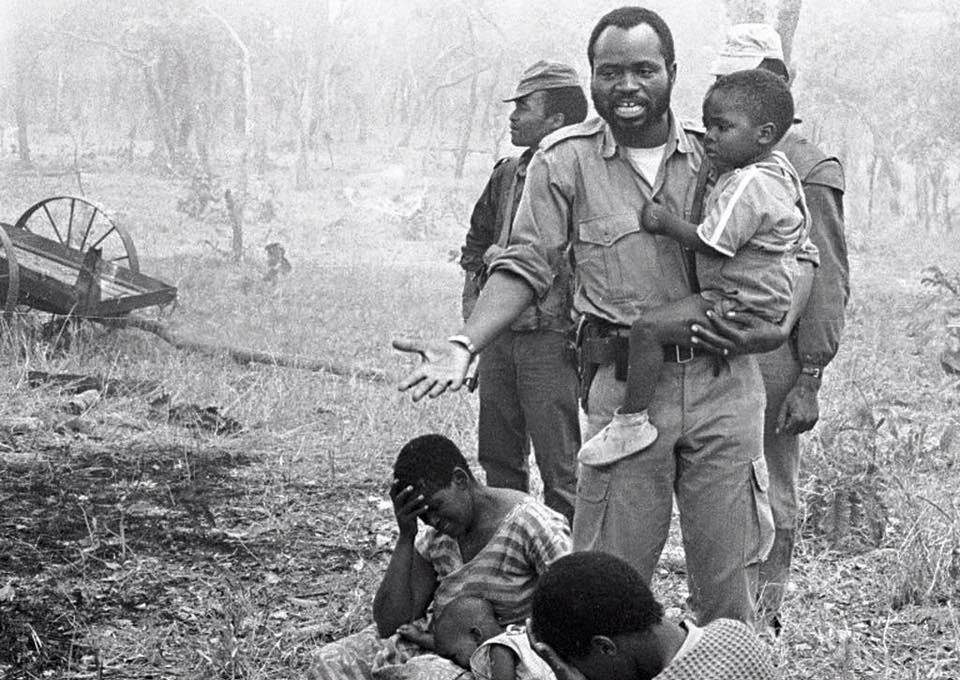
While growing up, and as an adult and leader, Machel experienced superstition. For him it was not a theory but an experience. He argued that superstition is a major obstacle to true liberation.

Superstition in Africa has deep cultural, religious, spiritual, and economic roots. Culturally, many communities develop beliefs in witchcraft, magic, and unseen forces as ways to explain natural events and maintain social order. Religiously and spiritually, both African religion and Abrahamic religion (Christianity, Islam, and Judaism) have beliefs in spirits, divine punishment, miracles, and the power of unseen forces, blending fear and reverence into everyday practices. Economically, superstition feeds on competition and scarcity: accusations of witchcraft or evil-doing are often used to eliminate rivals, claim land, or settle disputes, particularly in environments where resources are limited. Together, these roots create systems of belief that shape personal behaviour, community relationships, and responses to misfortune, making superstition a deeply entrenched part of many African societies.

Samora Machel defines superstition as belief in witchcraft, magic, prophecy, evil accusations, harmful spiritual healing, ritual sacrifices, blind fear of natural disasters, ritual sacrifices to control events, and any form of mysticism that undermined human action.

A deeper meaning of a luta continua

When Samora Machel, the revolutionary leader of Mozambique, said a luta continua — meaning the struggle continues — against superstition, he was making a powerful point with a deeper meaning. Machel compared colonialism with superstition, seeing both as systems that enslaved the mind and prevented real freedom. In short, he treated superstition as another form of colonial domination that had to be defeated for true liberation to happen.

In Machel’s view, independence was not complete just because the colonial armies had left. A deeper battle remained: the battle to free people’s minds from fear, ignorance, and manipulation. Superstition had, for centuries, been used by colonisers and local elites alike to maintain control over communities. Without challenging these deep-rooted beliefs, Mozambique and other African nations would remain trapped in a different kind of bondage.

Superstition as a tool of division and fear

The struggle was not simply against cultural practices, but against the ways in which certain beliefs weakened communities. Machel observed that when people believed their misfortunes were caused by witches, evil spells, or angry spirits, they turned against one another rather than working together. Witchcraft accusations often targeted vulnerable individuals — widows or the elderly — leading to violence, exclusion, and even death.

There is no positive superstition. Both African religion and Abrahamic religion (Christianity, Islam, and Judaism) reinforce belief in spirits, divine punishment, miracles, and the power of unseen forces, blending fear and reverence into everyday practices.

In Tanzania, superstition leads to the killing of elderly women accused of being witches, and people with albinism whose body parts are believed to bring wealth. In Ghana and Nigeria, there have been cases where children are branded as witches and abandoned by their families. In Madagascar, in some communities, the killing of twins is still practiced unless the parents run away with them forever.Belief in magic is manipulated by local leaders or opportunists who use fear to strengthen their own power. Across much of Africa, prophecy and spiritual healing are mixed into this system: people pay money to so-called prophets and healers who promise to remove curses or predict fortunes, often leaving communities poorer and more fearful.

Surprisingly, four decades after Machel’s death, a lot of people in Africa expect welfare, wealth and development to come superstitiously through prayer to God and ancestors, honouring prophets and shrines or lucky.

Machel understood that these practices did not just harm individuals — they prevented collective progress by keeping people isolated, suspicious, and unwilling to trust one another.

Superstition breaks social relations, breaks the cycle of reciprocity and respect, it causes physical and psychological pain and harm, results in economic loss, breaks spiritual strengths, can disable and cause death. It destabilises and retards development for individuals, families, community and society.

Who are most affected? Older adults, women, children, disabled individuals, including those with albinism and those who are barren and people who are creative, innovative and resourceful.

What the struggle against superstition looked like

For Machel, a luta continua meant that after winning political independence, the real work of building a free, just, and united society had to begin. The struggle against superstition involved dismantling harmful beliefs and promoting knowledge, solidarity, and confidence in human ability.

The government launched dynamisation groups — teams of young activists — who moved through rural communities to teach scientific explanations for natural events. For example, when crops failed due to drought, people were taught about climate patterns, soil fertility, and farming techniques, not angered ancestors or witchcraft. When people fell sick, health workers explained germs, sanitation, and nutrition, offering vaccines and clean water initiatives rather than reliance on rituals or charms.

In other parts of Africa, similar efforts were made. Julius Nyerere in Tanzania linked education with liberation, promoting rational thinking through the ujamaa villages. In South Africa, during the anti-apartheid struggle, activists ran workshops that discussed how superstition and spiritual fear divide oppressed communities.

Rather than rejecting all local knowledge, governments encouraged blending valuable herbal practices with scientific medical approaches, so that communities could preserve their identity while also advancing public health.

Expanding the vision of liberation

Samora Machel’s vision was not about attacking African culture, but about transforming it. He believed in the richness of African ways of life but wanted to clear away the parts that held people back from building a modern and fair society.

Thus, a luta continua was a call to keep fighting: against ignorance, against manipulation, against fear — whether it came from a colonial army or from within the community itself. In his view, political liberation without mental and cultural liberation was incomplete.

The work he started still echoes today in debates across Africa about how to honour the past while rejecting the forces that disempower people.

Machel’s theory of superstition in summary

Samora Machel saw superstition as a major obstacle to true liberation. In his view, superstition — including belief in witchcraft, magic, prophecy, evil accusations, harmful spiritual healing, ritual sacrifices, fear of natural disasters, and mysticism — was not just a cultural issue but a political and economic one. He believed superstition had been used historically, both by colonial powers and by local elites, to keep African people fearful, divided, passive, and easily controlled. Machel argued that even after achieving political independence, African societies would remain mentally and socially colonised if superstition continued to dominate thinking and behaviour. Superstition, for him, prevented unity, scientific understanding, trust, and collective development. It encouraged scapegoating, violence against vulnerable people, and the manipulation of communities through fear. Therefore, Machel made superstition a central target of the ongoing struggle — a luta continua — linking the fight for mental liberation with the broader project of building a modern, just, and free society. Education, health campaigns, and rational explanations for natural events were vital tools in this deeper, second phase of decolonisation.

Implications for social workers and development workers

For social workers and development workers, Machel’s struggle against superstition carries important lessons. Interventions in African communities must recognise that liberation is not only political or economic, but also mental and cultural. Efforts to promote health, education, human rights, and social welfare must address fear-based beliefs and practices that can harm individuals and fragment communities.

At the same time, workers must approach communities with sensitivity and respect, valuing local knowledge while firmly challenging beliefs and actions that cause exclusion, violence, or suffering. Development is not simply about providing services; it is about supporting communities to build confidence in reason, solidarity, and collective action — the very ideals at the heart of a luta continua.

Use the form below to subscibe to Owia Bulletin.

Admin ASWDNet, Spirituality Tags:#Machel

Post navigation

Previous Post: Join us on social media
Next Post: Why African Solutions Must Replace Colonial Debt Traps: Lessons from the Recent Kenya’s Youth Protest

AFRICA-WIDE INSTITUTIONS

ASWEA logo

ASWEA

1971-1989

Umoja waAfrika (AU) Former OAU Toto/Brief | Agenda63

ADF

Part of ADB

ASSWA logo

ASSWA

Since 2005

PAWO (AU Arm)

Facebook | X

COUNTRY INFORMATION (SOCIAL WORK & DEVELOPMENT)

  • Algeria ๐Ÿ‡ฉ๐Ÿ‡ฟ
  • Angola ๐Ÿ‡ฆ๐Ÿ‡ด
  • Benin ๐Ÿ‡ง๐Ÿ‡ฏ
  • Botswana ๐Ÿ‡ง๐Ÿ‡ผ
  • Burkina Faso ๐Ÿ‡ง๐Ÿ‡ซ
  • Burundi ๐Ÿ‡ง๐Ÿ‡ฎ
  • Cabo Verde ๐Ÿ‡จ๐Ÿ‡ป
  • Cameroon ๐Ÿ‡จ๐Ÿ‡ฒ
  • Central Africa Republic ๐Ÿ‡จ๐Ÿ‡ซ
  • Chad ๐Ÿ‡น๐Ÿ‡ฉ
  • Comoros ๐Ÿ‡ฐ๐Ÿ‡ฒ
    • Mayotte of Comoro
  • Congo, DR ๐Ÿ‡จ๐Ÿ‡ฉ
  • Congo ๐Ÿ‡จ๐Ÿ‡ฌ
  • Cote D’Ivoire ๐Ÿ‡จ๐Ÿ‡ฎ
  • Djibouti ๐Ÿ‡ฉ๐Ÿ‡ฏ
  • Egypt ๐Ÿ‡ช๐Ÿ‡ฌ
  • Equatorial Guinea ๐Ÿ‡ฌ๐Ÿ‡ถ
  • Eritrea ๐Ÿ‡ช๐Ÿ‡ท
  • Eswatini ๐Ÿ‡ธ๐Ÿ‡ฟ
  • Ethiopia ๐Ÿ‡ช๐Ÿ‡น
  • Gabon ๐Ÿ‡ฌ๐Ÿ‡ฆ
  • Gambia, The ๐Ÿ‡ฌ๐Ÿ‡ฒ
  • Ghana ๐Ÿ‡ฌ๐Ÿ‡ญ
  • Guinea ๐Ÿ‡ฌ๐Ÿ‡ณ
  • Guinea-Bissau ๐Ÿ‡ฌ๐Ÿ‡ผ
  • Kenya ๐Ÿ‡ฐ๐Ÿ‡ช
  • Lesotho ๐Ÿ‡ฑ๐Ÿ‡ธ
  • Liberia ๐Ÿ‡ฑ๐Ÿ‡ท
  • Libya ๐Ÿ‡ฑ๐Ÿ‡พ
  • Madagascar ๐Ÿ‡ฒ๐Ÿ‡ฌ
  • Malawi ๐Ÿ‡ฒ๐Ÿ‡ผ
  • Mali ๐Ÿ‡ฒ๐Ÿ‡ฑ
  • Mauritania ๐Ÿ‡ฒ๐Ÿ‡ท
  • Mauritius ๐Ÿ‡ฒ๐Ÿ‡บ
  • Morocco ๐Ÿ‡ฒ๐Ÿ‡ฆ
  • Mozambique ๐Ÿ‡ฒ๐Ÿ‡ฟ
  • Namibia ๐Ÿ‡ณ๐Ÿ‡ฆ
  • Niger ๐Ÿ‡ณ๐Ÿ‡ช
  • Nigeria ๐Ÿ‡ณ๐Ÿ‡ฌ
  • Rwanda ๐Ÿ‡ท๐Ÿ‡ผ
  • Sao Tome and Principe ๐Ÿ‡ธ๐Ÿ‡น
  • Senegal ๐Ÿ‡ธ๐Ÿ‡ณ
  • Seychelles ๐Ÿ‡ธ๐Ÿ‡จ
  • Sierra Leone ๐Ÿ‡ธ๐Ÿ‡ฑ
  • Somalia ๐Ÿ‡ธ๐Ÿ‡ด
  • South Africa ๐Ÿ‡ฟ๐Ÿ‡ฆ
  • South Sudan ๐Ÿ‡ธ๐Ÿ‡ธ
  • Sudan ๐Ÿ‡ธ๐Ÿ‡ฉ
  • Togo ๐Ÿ‡น๐Ÿ‡ฌ
  • Tanzania ๐Ÿ‡น๐Ÿ‡ฟ
  • Tunisia ๐Ÿ‡น๐Ÿ‡ณ
  • Uganda ๐Ÿ‡บ๐Ÿ‡ฌ
  • Western Sahara (SADR)
  • Zambia ๐Ÿ‡ฟ๐Ÿ‡ฒ
  • Zimbabwe ๐Ÿ‡ฟ๐Ÿ‡ผ
  • โ€œDongoโ€
  • ‘Wakanda’
  • Umoja waAfrica (African Union)
  • Afro-Caribbeans
    • Haiti
  • Afro-Latinos
  • Melanesia
    • Aboriginal Countries
    • Papua New Guinea
    • West Papua
  • Afro-Asians โ€˜Sidiโ€™

Decolonisation Calculator (DECA). What is the rate of decolonisation of social work and development training, education and research in your country? Use this simple calculator.

COVID-19 FINAL UPDATE: Africa Infections: 12.3 million people. Deaths 260 000. World infections: 650 million. Deaths 6.7 million. Data aggregated by ASWDNet on 12 December 2022. View this COVID-19 references list for Africa.

Search

Policies | Guidelines | Checklists

  • AI Policy
  • San Code of Ethics
  • Journal Writing Guide
  • Ubuntu Principles in Fundraising & Charity
  • Comments Policy
  • Publisher Checker
  • Decolonisation Calculator
  • African Research Ethics & Malpractice Statement
  • Privacy & Cookie Policy
  • Email, Data and Social Media Policy
  • How Annonciata Niyibizi Muhayimana created the Ingata of Life Narrative Model
  • When Resilience Becomes a Burden: The Hidden Struggles of Women Researchers in Africa
  • Borderless borders: how Dangote’s African Renaissance Group is putting muscle behind Mbeki’s African Renaissance Theory
  • Social Development Award Statement by Vongai P Mangwiro
  • Development Worker of the Year 2026 Statement by Bikila Tesfaye
  • Become a Blogger Blogging
  • Welcome to the AFRICASOCIALWORK.NET All Posts Basket
  • Become a Blogger All Posts Basket
  • The political, legal, radical and policy role of social work in Africa Admin ASWDNet
  • Egypt’s history of social work and social services All Posts Basket
  • Ubuntu and Social Work Resources All Posts Basket
  • Ubuntu Theories All Posts Basket
  • Ethiopian History of Social Work and Social Services All Posts Basket

Email Sign In


Website Log In


Mfundo | Courses | CPD Log In


Members Portal

COPYRIGHT ยฉ 2020 to 2030: Mtandao - Africa Social Work and Development Network (ASWDNet) | UBUNTU ACKNOWLEDGEMENT - We pay our respects to those who came before us, our Elders and forefathers and mothers, who are the sources and protectors (against colonisation) of the knowledge and wisdom that continue to shape lives, teaching, learning, research, and practice across generations. Because they were, we are. Asante. Siyabonga. Tatenda. Waaw. ร€แนฃรฉ.