Skip to content
  • Home
  • About|Join
  • Ethics
  • Events
  • Certificates
  • OwiaNews
  • Journals
  • DecoloniseCalculators
  • Mfundo|CPD
  • FundiDictionary
  • Awards
  • Ushahidi
  • DACCS
  • Kuumba
  • Submit
  • WSWSD Conference Nairobi | Mtandao Exhibition
  • Mental Health Masterclass
  • Catalogue
  • Consultancy
  • Shop
  • Twitter
  • Facebook
  • LinkedIn
  • YouTube
  • Academia AJSW
  • Instagram
Africa Social Work and Development Network | Mtandao waKazi zaJamii naMaendeleo waAfrica
Africa Social Work & Development Network | Mtandao waKazi zaJamii naMaendeleo waAfrika

Africa Social Work & Development Network | Mtandao waKazi zaJamii naMaendeleo waAfrika

Mtandao creates, aggregates and disseminates information and resources to facilitate Social Work and Development Work in Africa.

  • ACADEMICS
    • Lecture Resources
    • Lectures
    • Fieldwork Resources
    • Approaches to assessing learning
    • Types of University Assessments
    • Book Publishing
      • Book_Professional Social Work in Zimbabwe
    • ASWDNet Guide to Writing (Journals)
    • ASWDNet Guide to Writing and Publishing
  • PRACTITIONERS
    • Values and Ethics in Africa
    • Africa Social Work and Development Awards
    • Continuous Professional Development (CPD)
    • Templates, Models, Frameworks, Assessment Tools and Questionnaires
    • African Theories
    • Supervision
  • STUDENTS
    • Social Work and Development Student Conference (SWDSC)
    • 12 Steps to Get Published
    • Tips for Prospective Doctoral Students
    • ASWDNet Guide to Writing (Academic Research Brief| Proposal | Thesis)
    • Writing a journal article could be as easy as making fufu, nsima, ugali or matoke!
    • Lectures
  • RESEARCHERS
    • Research Methods
    • Qualitative data levels of analysis
    • African Independent Ethics Committee (AIEC)
    • Research Questions Bank
    • Publisher/Journal Checker
    • Research Strategies
    • Reviewers
    • Ubuntu Research Group (URG)
    • Kuumba (Mentoring)
      • SURVEY OF SOCIAL PROBLEMS AND CHALLENGES FOR AFRICA
      • Mentees
      • Mentors
      • Guidelines
    • Afrocentric Mentoring Project (AfroME)
      • Team
      • Partners
      • Call for Applications for the Afrocentric and Decolonial Social Work Mentoring Project (now closed)
  • ASSOCIATIONS
  • TRAINING INSTITUTIONS
  • COMMUNITIES
    • Ubuntu Fundraising and Charity Principles
    • COVID-19
    • Social Work for Children
    • Funda KiSwahili
  • MEMBERS
  • Africa Philosophy
  • African Theories
  • Research Methods
  • Library | Databases
  • Social Work
    • Social Work Education institutions (SWEI) in Africa
    • Biography of Social Development in Africa
      • Charlotte Makgomo-Mannya Maxeke (1871-1939)
      • Zahia Marzoukย (1906 โ€“ 1988)
      • Regina Gelana Twala (1908-1968)
      • Mai Musodzi Chibhaga Ayema (1885-1952)
      • Nnoseng Ellen Kate Kuzwayo (1914 โ€“ 2006)
      • Joshua Mqabuko Nyongolo Nkomo (19 June 1917 โ€“ 1 July 1999)
      • Jairos Jiri (1921 โ€“ 1982)
      • Kenneth Buchizya Kaunda (1924-2021)
      • John Samuel Mbiti (1931-2019)
      • Gibson Mthuthuzeli Kent (1932-2004)
      • Winnie Madikizela-Mandela 1936โ€“2016
      • Ngugi wa Mirii (1951 โ€“ May 3, 2008)
      • Andrew Chad Nyanguru (28 Mar 1953-14 May 2014)
      • Professor Rodreck Mupedziswa
      • Edwell Kaseke (1954-2017)
      • Lovemore Mbigi
      • Selassie Seyoum Gebre (1936-)
      • Arega Yimam (-c1989)
      • Dr Noel Garikai Muridzo
      • Dr Edmos Mthethwa
      • Phillip Manyanye Bohwasi
      • Wassie Kebede
      • Gidraph G Wairire
      • Wangari Muta Maathai
      • Uzoma Odera Okoye, Dr
    • Social Work Journals and Other Serial Publications in Africa (ASWDNet Index)
    • Association of Social Work Education in Africa (ASWEA) โ€“ 1965 to 1989
    • Future of Social Work in Africa
    • Environmental Social Work
  • Development
    • Developmental Work Database
  • Ubuntu
    • Ubuntu Research Group (URG)
    • Ushahidi Platform
    • Ubuntu Fundraising and Charity Principles
    • Ubuntu Bibliography
    • Ubuntu Survey
    • Ubuntu Annual Lecture
    • Ubuntu Interview Guide Sample
  • Africa
    • African Anthem (African Union)
    • Umoja waAfrica (African Union)
    • African symbols and alphabets
    • Fundi โ€“ The African Dictionary and Encyclopaedia of Social Work and Development
    • Africa Religion (uAfrica)
    • Africa Research Ethics and Malpractice Statement (AREMS)
    • The San Code of Research Ethics (San Code)
  • Blog
    • Our Ubuntu-inspired Comments Policy
    • Become a Blogger
    • Admin ASWDNet
    • Babekazi
    • Professor Roy@Indigenous Social Work
    • Mutape J.D.S Sithole
    • Alemayehu Gebru from Ethiopia, Jimma City
    • Rugare Mugumbate
    • Decolonise
    • Writing and Publishing
    • Development
    • Toto
    • Ms. Alexandra Thokozile Mliswa (MSc,LLB, BA)
    • Environmental work
    • Africa religion | Spirituality
    • Kudzai Mwapaura blogger
    • All Posts Basket

[aioseo_breadcrumbs]

When Resilience Becomes a Burden: The Hidden Struggles of Women Researchers in Africa Admin ASWDNet
Borderless borders: how Dangote’s African Renaissance Group is putting muscle behind Mbeki’s African Renaissance Theory Development
Social Development Award Statement by Vongai P Mangwiro Admin ASWDNet

How Annonciata Niyibizi Muhayimana created the Ingata of Life Narrative Model

Posted on 7 August 20267 August 2026 By Rugare Mugumbate No Comments on How Annonciata Niyibizi Muhayimana created the Ingata of Life Narrative Model

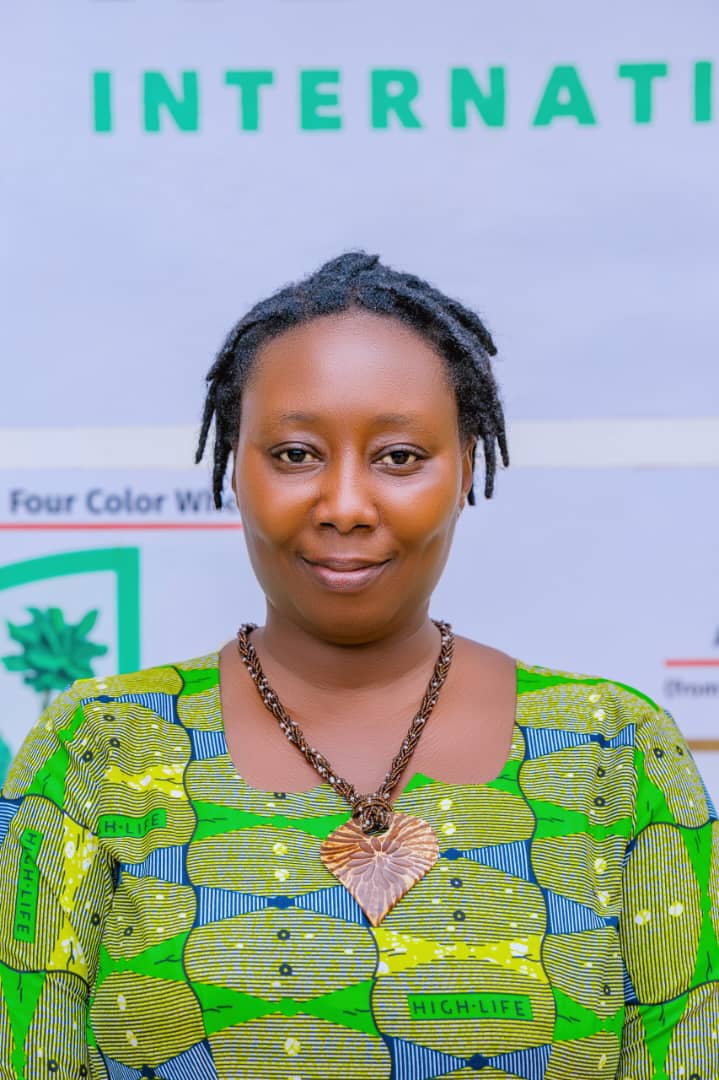
IN HER OWN WORDS: I am a Rwandan narrative therapist, community work practitioner and psychosocial wellbeing consultant with over 15 years of experience supporting vulnerable families, women, children, single parents/mothers and refugee communities. I hold advanced qualifications from the University of Melbourne and the University of Rwanda, and I currently coordinate the Nutrition School Garden Project in Gasabo District alongside running my own private therapy practice. I am the creator of Ingata of Life, a culturally rooted narrative therapy approach that promotes resilience and emotional wellbeing, and I have extensive experience training others in psychosocial support, child protection, trauma-informed care, health, nutrition with agriculture and community empowerment. My work is guided by empathy, dignity, healing and community transformation in Rwanda. Annonciata Niyibizi Muhayimana, Rwanda.
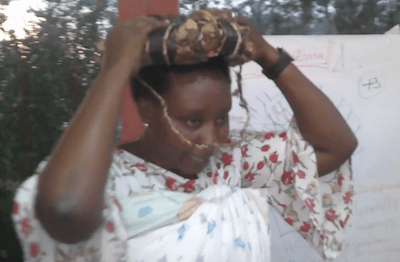
Annonciata Niyibizi Muhayimana presenting her model to an audience with a baby on her back, and at first glance she looks like any other mother. Yet her ability to unpack complex concepts in the social services using everyday metaphor sets her apart. In doing so, she gives agency to African knowledge, and offers useful lessons for practice through narrative therapy, research and education.

Annonciata Niyibizi Muhayimana works as the Home-Grown School Feeding Project Coordinator in Gasabo District for Gardens for Health International in Rwanda. She also completed the Master of Narrative Therapy and Community Work at the University of Melbourne, and it was through this study that she developed and presented a piece of work that speaks directly to how narrative practice can grow out of local life rather than being imported into it.
Language / CountryLocal Name
Botswana (Tswana, Kalanga)Kgare, Khata
Chad (Arabic)Hawwaya
Democratic Republic of the Congo (Lingala)Nkata
Ghana (Dagbani)Takai
Kenya (Swahili, Kikuyu)Kata, Thakata
Lesotho (Sotho)Kgare
Niger (Hausa)Kahwa
Nigeria (Igbo, Yoruba, Hausa)Aju, Oshuka, Kahwa
Rwanda (Kinyarwanda)Ingata/ngata
South Africa (Zulu, Xhosa, Sotho, Ndebele, Tswana)Inkatha, Kgare
Sudan (Arabic)Hawwaya
Tanzania (Swahili)Kata
Uganda (Luganda)Ngata
Zimbabwe (Shona, Northern Ndebele, Kalanga)Ihata/Hata / Khata, Inkatha, Khata / Hata
Names of ingata in African languages. As you can see, there is a common language, which represents a common philosophy and culture of Africa.

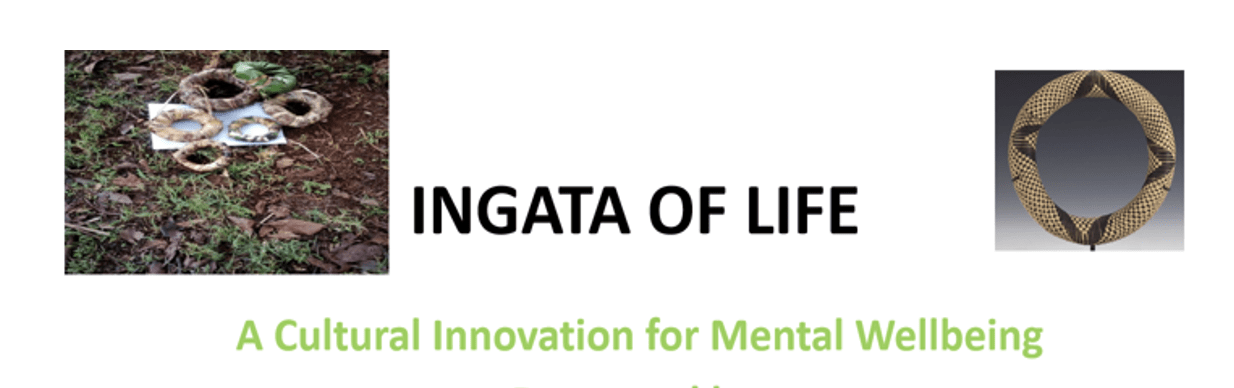
Her contribution centres on a metaphor she calls Ingata Yúbuzima, the Ingata of Life. An ingata is a handmade ring, woven and shaped by hand, that Rwandan women use to carry loads on their heads. It cushions the weight, protects the person carrying it, and can be used with help from others or alone. It is an object found in daily life across Rwanda, not something created for the purpose of therapy or research.

Turning an everyday object into a working metaphor

Annonciata took this familiar object and used it as the basis for a collective narrative practice, working in a similar way to the Tree of Life and Team of Life approaches developed within narrative therapy. Rather than introducing a metaphor from elsewhere, she drew on the knowledge already held by the mothers she worked with. She asked them about how an ingata is made, how it is used, and how it is cared for over time, and she used their answers as the foundation for a wider set of ideas about values, skills, hopes and connection.

This approach places the knowledge of the group at the centre of the process. The mothers were not being taught a new framework. They were being asked to draw on what they already understood, and their understanding was then shaped into something that could hold their individual stories.

From individual ingata to a collective one

Each woman made her own ingata as a way of recording what she wanted to protect in her life. These individual objects were then brought together into one large ingata, woven collectively, which held the combined stories of the group. The image of a ring that supports weight without causing harm became a way of thinking about how people carry difficulty, and how that difficulty can be shared rather than carried alone.

What this offers to narrative practice

The value of this work lies in how directly it connects the practice to the culture and the daily lives of the people involved. The metaphor was not translated from another setting. It came from an object the women already knew, used and valued, and this gave the resulting narrative work a level of meaning that would have been harder to achieve with an unfamiliar image.

This is consistent with a wider pattern seen across African narrative practice, where practitioners such as Annonciata build on existing cultural knowledge and local objects, stories or practices as starting points, rather than applying frameworks developed elsewhere without adjustment. The result is work that fits the people it is meant to serve.

Related approaches using local metaphor

The ingata sits alongside a number of other narrative practices that use an everyday object or image as the basis for exploring life, connection and support.

ApproachMeaning of the metaphor
Tree of LifeA tree metaphor in which a person maps their roots, ground, trunk, branches, leaves and fruit to represent where they come from, their skills, hopes, relationships and achievements.
Team of LifeA sports team metaphor in which a person or group identifies the players, coaches, supporters and skills that make up their own team, used to explore who and what supports them.
ImbelekoA cloth or wrap used to hold a baby on the back of a mother or father, used as a metaphor for what carries and protects a child, and for the relationships that support them.
Mat of LifeAn approach in which people sew a mat together as a group, with each contribution forming part of a shared object that holds their combined stories.
Ingata yúbuzima/Ingata of LifeA woven ring used to carry a load on the head, used as a metaphor for what protects a person under weight, and for the support that can be shared collectively.
Games of LifeA play based approach in which children or young people use games, toys or play activities to represent and work through life experiences, used to explore strengths, relationships and coping in a way that suits younger participants.
Forest of LifeA forest metaphor in which a person or group maps the different trees, plants and creatures that make up a forest to represent the range of relationships, influences and resources that surround and support them.
Garden of LifeA garden metaphor in which a person maps what they plant, tend, weed and harvest to represent their values, relationships, effort and growth over time.

Using the metaphor as a researcher, practitioner or educator

The ingata metaphor is flexible enough to be applied across several fields of work.

  • In research, it can be used as a data collection tool. Talking with women as they make an ingata individually, as they make one in a group, or as they weave a single collective ingata, opens conversation about what they carry, what protects them, and what they want to preserve. The making process itself becomes an occasion for gathering rich, first person accounts rather than relying on direct questioning alone.
  • In practice, it can be used to explore life issues with individuals or with groups. A person can be invited to describe what their own ingata would need to hold, and what would give it strength, as a way of externalising problems and identifying existing skills and support.
  • In education, it can be used for students to collaborate. Students can construct a group ingata to represent shared learning goals, or use the process to practise eliciting local knowledge and metaphor from the people they will work with in future.

Other areas where the metaphor could be useful include the following.

  • Community development, where an ingata built by a whole community can represent shared resources, responsibilities and priorities for a project.
  • Monitoring and evaluation, where individual or group ingatas made at different points in a programme can be compared to show change over time in what people identify as valuable or protected.
  • Training and supervision, where practitioners use the process to reflect on what supports them in their own work and what they draw on when carrying a heavy caseload.
  • Advocacy and policy work, where a collective ingata created with a community can be used to communicate priorities to funders or decision makers in a form that is grounded in local knowledge rather than abstract argument.
  • Mental health and psychosocial support programmes, where the physical act of making something protective can support conversation with people who find it difficult to speak directly about distress.
  • Work with displaced or resettled communities, where the ingata can serve as a familiar reference point that carries meaning even when much else in a person’s environment has changed.
  • Intergenerational work, where older women teach younger women or girls how to make an ingata, creating a natural setting for passing on both practical skill and the values associated with it.

Further reading

Annonciata’s presentation, Ingata yúbuzima: The ingata of life, is published as a video in the International Journal of Narrative Therapy and Community Work (2025, Issue 1). Readers who want to see and hear her describe this work directly can find it at https://dulwichcentre.com.au/ingata-yubuzima-the-ingata-of-life-annonciata-niyibizi-muhayimana/

Readers who want to explore this further can visit the Dulwich Centre’s resource on African centred narrative practices: https://dulwichcentre.com.au/african-narrative-practices-a-rich-history-and-constant-invention/

Use the form below to subscibe to Owia Bulletin.

Admin ASWDNet, Research - African methods, Teaching and Learning (Fundo) Tags:Ingata, Ingata model

Post navigation

Previous Post: When Resilience Becomes a Burden: The Hidden Struggles of Women Researchers in Africa

Leave a Reply Cancel reply

You must be logged in to post a comment.

AFRICA-WIDE INSTITUTIONS

ASWEA logo

ASWEA

1971-1989

Umoja waAfrika (AU) Former OAU Toto/Brief | Agenda63

ADF

Part of ADB

ASSWA logo

ASSWA

Since 2005

PAWO (AU Arm)

Facebook | X

COUNTRY INFORMATION (SOCIAL WORK & DEVELOPMENT)

  • Algeria ๐Ÿ‡ฉ๐Ÿ‡ฟ
  • Angola ๐Ÿ‡ฆ๐Ÿ‡ด
  • Benin ๐Ÿ‡ง๐Ÿ‡ฏ
  • Botswana ๐Ÿ‡ง๐Ÿ‡ผ
  • Burkina Faso ๐Ÿ‡ง๐Ÿ‡ซ
  • Burundi ๐Ÿ‡ง๐Ÿ‡ฎ
  • Cabo Verde ๐Ÿ‡จ๐Ÿ‡ป
  • Cameroon ๐Ÿ‡จ๐Ÿ‡ฒ
  • Central Africa Republic ๐Ÿ‡จ๐Ÿ‡ซ
  • Chad ๐Ÿ‡น๐Ÿ‡ฉ
  • Comoros ๐Ÿ‡ฐ๐Ÿ‡ฒ
    • Mayotte of Comoro
  • Congo, DR ๐Ÿ‡จ๐Ÿ‡ฉ
  • Congo ๐Ÿ‡จ๐Ÿ‡ฌ
  • Cote D’Ivoire ๐Ÿ‡จ๐Ÿ‡ฎ
  • Djibouti ๐Ÿ‡ฉ๐Ÿ‡ฏ
  • Egypt ๐Ÿ‡ช๐Ÿ‡ฌ
  • Equatorial Guinea ๐Ÿ‡ฌ๐Ÿ‡ถ
  • Eritrea ๐Ÿ‡ช๐Ÿ‡ท
  • Eswatini ๐Ÿ‡ธ๐Ÿ‡ฟ
  • Ethiopia ๐Ÿ‡ช๐Ÿ‡น
  • Gabon ๐Ÿ‡ฌ๐Ÿ‡ฆ
  • Gambia, The ๐Ÿ‡ฌ๐Ÿ‡ฒ
  • Ghana ๐Ÿ‡ฌ๐Ÿ‡ญ
  • Guinea ๐Ÿ‡ฌ๐Ÿ‡ณ
  • Guinea-Bissau ๐Ÿ‡ฌ๐Ÿ‡ผ
  • Kenya ๐Ÿ‡ฐ๐Ÿ‡ช
  • Lesotho ๐Ÿ‡ฑ๐Ÿ‡ธ
  • Liberia ๐Ÿ‡ฑ๐Ÿ‡ท
  • Libya ๐Ÿ‡ฑ๐Ÿ‡พ
  • Madagascar ๐Ÿ‡ฒ๐Ÿ‡ฌ
  • Malawi ๐Ÿ‡ฒ๐Ÿ‡ผ
  • Mali ๐Ÿ‡ฒ๐Ÿ‡ฑ
  • Mauritania ๐Ÿ‡ฒ๐Ÿ‡ท
  • Mauritius ๐Ÿ‡ฒ๐Ÿ‡บ
  • Morocco ๐Ÿ‡ฒ๐Ÿ‡ฆ
  • Mozambique ๐Ÿ‡ฒ๐Ÿ‡ฟ
  • Namibia ๐Ÿ‡ณ๐Ÿ‡ฆ
  • Niger ๐Ÿ‡ณ๐Ÿ‡ช
  • Nigeria ๐Ÿ‡ณ๐Ÿ‡ฌ
  • Rwanda ๐Ÿ‡ท๐Ÿ‡ผ
  • Sao Tome and Principe ๐Ÿ‡ธ๐Ÿ‡น
  • Senegal ๐Ÿ‡ธ๐Ÿ‡ณ
  • Seychelles ๐Ÿ‡ธ๐Ÿ‡จ
  • Sierra Leone ๐Ÿ‡ธ๐Ÿ‡ฑ
  • Somalia ๐Ÿ‡ธ๐Ÿ‡ด
  • South Africa ๐Ÿ‡ฟ๐Ÿ‡ฆ
  • South Sudan ๐Ÿ‡ธ๐Ÿ‡ธ
  • Sudan ๐Ÿ‡ธ๐Ÿ‡ฉ
  • Togo ๐Ÿ‡น๐Ÿ‡ฌ
  • Tanzania ๐Ÿ‡น๐Ÿ‡ฟ
  • Tunisia ๐Ÿ‡น๐Ÿ‡ณ
  • Uganda ๐Ÿ‡บ๐Ÿ‡ฌ
  • Western Sahara (SADR)
  • Zambia ๐Ÿ‡ฟ๐Ÿ‡ฒ
  • Zimbabwe ๐Ÿ‡ฟ๐Ÿ‡ผ
  • โ€œDongoโ€
  • ‘Wakanda’
  • Umoja waAfrica (African Union)
  • Afro-Caribbeans
    • Haiti
  • Afro-Latinos
  • Melanesia
    • Aboriginal Countries
    • Papua New Guinea
    • West Papua
  • Afro-Asians โ€˜Sidiโ€™

Decolonisation Calculator (DECA). What is the rate of decolonisation of social work and development training, education and research in your country? Use this simple calculator.

COVID-19 FINAL UPDATE: Africa Infections: 12.3 million people. Deaths 260 000. World infections: 650 million. Deaths 6.7 million. Data aggregated by ASWDNet on 12 December 2022. View this COVID-19 references list for Africa.

Search

Policies | Guidelines | Checklists

  • AI Policy
  • San Code of Ethics
  • Journal Writing Guide
  • Ubuntu Principles in Fundraising & Charity
  • Comments Policy
  • Publisher Checker
  • Decolonisation Calculator
  • African Research Ethics & Malpractice Statement
  • Privacy & Cookie Policy
  • Email, Data and Social Media Policy
  • How Annonciata Niyibizi Muhayimana created the Ingata of Life Narrative Model
  • When Resilience Becomes a Burden: The Hidden Struggles of Women Researchers in Africa
  • Borderless borders: how Dangote’s African Renaissance Group is putting muscle behind Mbeki’s African Renaissance Theory
  • Social Development Award Statement by Vongai P Mangwiro
  • Development Worker of the Year 2026 Statement by Bikila Tesfaye
  • Become a Blogger Blogging
  • Welcome to the AFRICASOCIALWORK.NET All Posts Basket
  • Become a Blogger All Posts Basket
  • The political, legal, radical and policy role of social work in Africa Admin ASWDNet
  • Egypt’s history of social work and social services All Posts Basket
  • Ubuntu and Social Work Resources All Posts Basket
  • Ubuntu Theories All Posts Basket
  • Ethiopian History of Social Work and Social Services All Posts Basket

Email Sign In


Website Log In


Mfundo | Courses | CPD Log In


Members Portal

COPYRIGHT ยฉ 2020 to 2030: Mtandao - Africa Social Work and Development Network (ASWDNet) | UBUNTU ACKNOWLEDGEMENT - We pay our respects to those who came before us, our Elders and forefathers and mothers, who are the sources and protectors (against colonisation) of the knowledge and wisdom that continue to shape lives, teaching, learning, research, and practice across generations. Because they were, we are. Asante. Siyabonga. Tatenda. Waaw. ร€แนฃรฉ.