Inclusive re-globalisation: What Ngozi Okonjo-Iweala’s theory means for social development
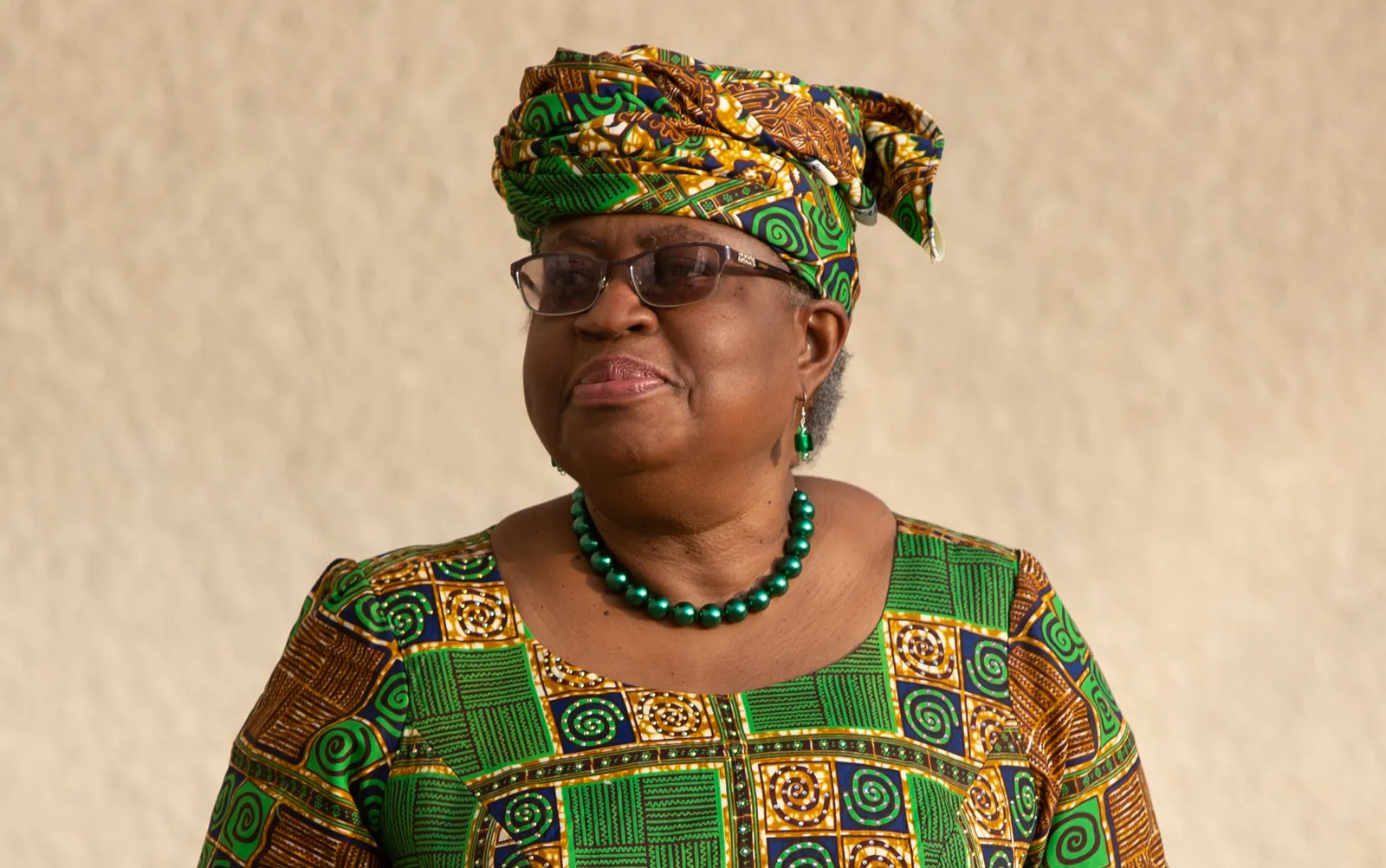
Dr Ngozi Okonjo-Iweala is the Director General of the World Trade Organization (WTO). She took office in March 2021 as the first woman and the first African to lead the organisation. Members reappointed her for a second four year term, which began in September 2025. She holds an economics degree from Harvard University and a doctorate from the Massachusetts Institute of Technology (MIT), and she served twice as Nigeria’s finance minister. This post names her approach the theory of inclusive re-globalisation. It sets out the theory’s main claims, the record behind it in Nigeria and at the WTO, and what it offers social work and social development.
Pressures on global trade
The Coronavirus Disease 2019 (COVID-19) pandemic, the war in Ukraine and rising tariffs have disrupted global trade. Many rich countries responded by moving production home or to trusted partners, known as reshoring and friend shoring. At the 14th WTO Ministerial Conference in Yaoundé, Cameroon, in March 2026, Okonjo-Iweala told members that the world order they knew had changed for good and that the trading system needed reform. The WTO has modelled that a split of the world into two trading blocs would cut global gross domestic product (GDP) by about 7 percent in the long term.
The theory of inclusive re-globalisation
Okonjo-Iweala disagrees with the move to reshoring and friend shoring. She argues that the rethink of supply chains after the pandemic and the war in Ukraine gives a chance to include poor countries fully in the global economy. She calls this re-globalisation. This post adds the word inclusive because her argument depends on who is included: poor countries, women and young people who gained little from earlier rounds of globalisation. The name and the five claims below are this post’s reading of her speeches and record. She has not set them out as a formal theory herself.
Diversify production: Supply chains are safer when production is spread across more countries, including in Africa, Latin America and South Asia, rather than returning home or staying in a few places.
Include countries left out: Countries that gained little from past globalisation need to take part in global production and trade. Leaving them out makes supply chains less secure for all countries.
Women’s participation: Trade raises incomes most when women have access to external markets, information and finance. Gender equality is part of the economic case.
Clean governance: The gains from trade are lost when public money leaks through fraud, ghost workers and inflated claims. This claim comes from her record as Nigeria’s finance minister.
Production capacity: Whoever can make goods, including medicines and vaccines, is served first in a crisis. Spreading production capacity is a matter of fairness as well as security.
The pandemic showed the danger of relying on a few producers. She notes that 10 countries exported 80 percent of the world’s vaccines.
Women and trade
Gender is part of her argument for trade. A joint WTO and World Bank study found that exporting firms employ more women, and that firms linked to global value chains have a higher share of women workers than firms that sell only at home. Okonjo-Iweala says women who trade across borders earn almost three times as much as women who trade only in domestic markets. On this evidence, women’s incomes rise when they gain access to external markets, information and finance.
Many women in developing countries run small businesses that struggle to meet export standards or raise finance. The WTO works with the International Trade Centre (ITC) on women’s access to finance and on the quality standards needed to sell abroad. Okonjo-Iweala also set up the Women Exporters in the Digital Economy (WEIDE) Fund, which supports businesses led by women that trade online. She points to digitally delivered services, such as education, health and business services sold over the internet, as the fastest growing part of trade at almost 6 percent a year. Young people and women are well represented in this part of trade.
She has long argued that investing in women makes economic sense, and that investing in girls early makes even more.
Reform in Nigeria
The governance claim in the theory comes from her two terms as Nigeria’s finance minister.
Debt relief
In 2005, under President Olusegun Obasanjo, she led talks with the Paris Club of creditor countries. Nigeria owed the club about 30 billion United States dollars (USD). The deal cancelled about 18 billion USD, around 60 percent of the debt, and Nigeria paid off the rest in 2006.
Ghost workers
Under President Goodluck Jonathan, she pushed an integrated payroll system, the Integrated Personnel and Payroll Information System (IPPIS). By 2015 it had removed more than 60,000 ghost workers from the federal payroll. She puts the savings from this and related pension reforms at about 1.1 billion USD.
Fuel subsidy fraud
Officials noticed that claims by fuel importers under the petrol subsidy scheme were rising sharply. Her ministry delayed payments to verify claims, and she has described an alleged fraud of 2.4 billion USD. In December 2012 her mother, Professor Kamene Okonjo, a sociologist then in her eighties, was kidnapped from her home in Ogwashi-Uku, Delta State. The kidnappers demanded that Okonjo-Iweala resign and leave the country. Her father urged her not to give in. Her mother returned after five days held with little food or water. Okonjo-Iweala has said she would have chosen her mother’s life over her job.
Vaccines and intellectual property
At the 12th WTO Ministerial Conference in June 2022, members adopted a decision on the Agreement on Trade Related Aspects of Intellectual Property Rights (TRIPS). It allows eligible developing countries to authorise the production and export of COVID-19 vaccines without the consent of patent holders. The decision was narrower than the waiver India and South Africa first proposed in 2020. It covers vaccines only, and members have not agreed to extend it to COVID-19 tests and treatments. Critics also argued that it came too late. It is a modest step toward spreading production capacity, the fifth claim of inclusive re-globalisation.
Limits of the theory
Wider trade does not benefit everyone. Imports can push small farmers and producers out of local markets. Many developing countries argue that WTO rules still favour rich economies, and the WTO’s dispute settlement system has been stalled for years. The gains that inclusive re-globalisation promises depend on fair rules, labour rights, social protection and public investment in skills and infrastructure.
What this means for social work and social development
Social work and social development respond to the same problems in different ways. Social work is largely curative and welfarist. It treats individual and family problems after they arise and offers relief to people in need. This work is needed but it rarely changes the conditions that produce poverty. Social development is imaginative, creative and preventive. It designs new responses, builds assets, income and capacity, and acts before problems take hold. The theory of inclusive re-globalisation fits social development more closely. Trade rules shape prices, jobs, wages and access to medicines, and they cause many of the problems social workers deal with.
Women’s economic participation: Social work meets women in poverty through casework, grants and emergency relief. Social development aims to raise women’s incomes. Okonjo-Iweala’s evidence suggests that links to regional and global markets raise women’s incomes far more than local trade does. Programmes can connect women’s groups and cooperatives to export standards, finance and digital platforms. The African Continental Free Trade Area (AfCFTA) offers a regional route, and she argues that the WTO and the AfCFTA should work together.
Digital livelihoods: Social work tends to treat unemployed young people as clients who need support. Social development supports young people to start businesses. Digitally delivered services need connectivity, devices and skills more than capital, and youth and women’s programmes can build these.
Governance and corruption: Social work deals with the effects of weak public services, such as families who cannot pay school fees or reach a clinic. Social development addresses the causes. Ghost workers and inflated subsidy claims take money that should fund schools, clinics and social protection. Practitioners can support payroll and budget transparency and community monitoring of public spending.
Health equity: Social work helps people cope with illness and reach the care that already exists. Social development looks at where medicines are made and who controls supply. Countries that make vaccines are served first in a crisis. Advocacy for local manufacturing of medicines and vaccines in Africa is preventive work.
Protection for reformers: Social work supports victims of violence and intimidation after the harm is done. Social development builds systems that protect whistleblowers, community monitors and officials who challenge powerful interests before harm occurs. Her mother’s kidnapping shows the cost that reformers and their families can carry.
Ubuntu: Ubuntu sees development at five connected levels: family, community, society, environment and spiritual. Inclusive re-globalisation works mainly at the level of society, but its effects reach families and communities through women’s income. Family is also important in Okonjo-Iweala’s own account. She says her parents raised her in public service, and her father’s counsel shaped her choice during the kidnapping.
For social work education, this means teaching trade, enterprise, policy design and advocacy alongside casework and counselling.
Artificial Intelligence (AI) acknowledgement
The author drafted the original text. Claude, an AI tool, helped edit the text to the blog’s style, checked facts against published sources and identified further reading. The author reviewed and verified every stage.
Further in depth reading
- Global trade a powerful instrument for improving lives of women (The Sun Nigeria)
- Okonjo-Iweala: My dream is to keep replenishing the WEIDE Fund to reach more women (AllAfrica)
- WTO chief warns global trade order has shifted, urges urgent reform (Daily Sabah)
Use the form below to subscibe to Owia Bulletin.