
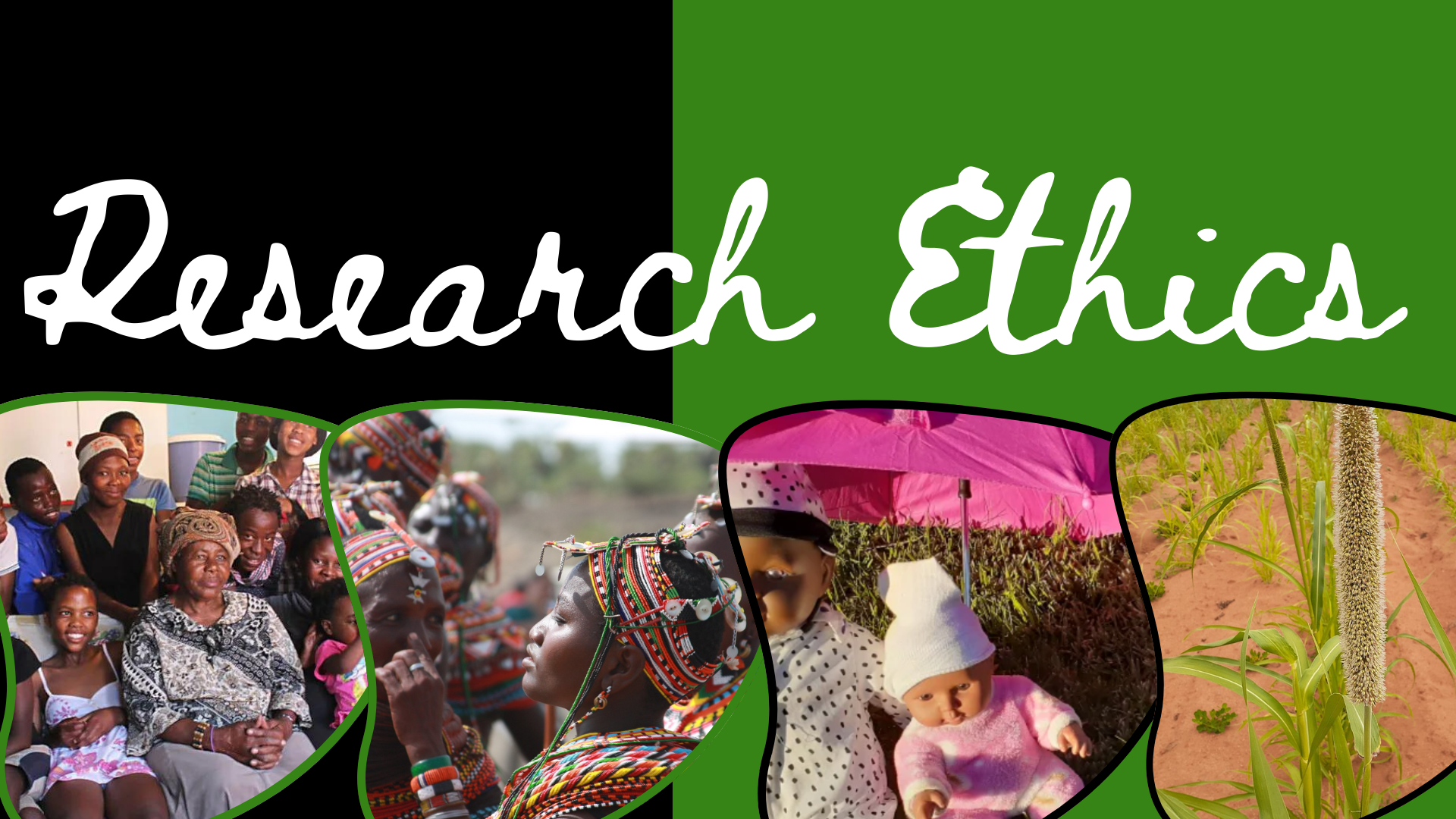
Comparing Ubuntu-grounded research ethics: the African Research Ethics and Malpractice Statement (AREMS) and the San Code of Research Ethics, and United Nations Declaration on the Rights of Indigenous Peoples (UNDRIP)
Research involving African communities has long borrowed its ethical scaffolding from elsewhere. Two frameworks rooted in Ubuntu, the African Research Ethics and Malpractice Statement (AREMS) and the San Code of Research Ethics, offer an alternative grounded in African values and lived experience. This post compares both with the United Nations Declaration on the Rights of Indigenous Peoples (UNDRIP) and asks why the continent still has no single ethics framework built entirely on Ubuntu.
What is AREMS
AREMS was developed by Mtandao, the Africa Social Work and Development Network, and is available at https://africasocialwork.net/ethics-committee/#ubuntu-ethics-research. Its eight priorities are value for family (unhuri), respect for community (ujamaa), decolonising research, developmental and capacity building research, sustainable research, justice, value for life, and protection of the most vulnerable. AREMS positions Ubuntu as the source from which all research conduct should flow, rather than treating culture as an add-on to a Western template.
What is the San Code of Research Ethics
The San Code was developed by the South African San Institute and is available at http://trust-project.eu/wp-content/uploads/2017/03/San-Code-of-RESEARCH-Ethics-Booklet-final.pdf. Its four priorities are respect for individuals, community and culture, honesty in communication and process, justice and fairness in benefit sharing, and care that research improves the lives of the San. Unlike AREMS, which speaks broadly across the continent, the San Code was written by a specific Indigenous people out of direct experience of exploitative research, including genomics studies where consent and dignity were disregarded.
Where AREMS and the San Code meet UNDRIP
UNDRIP sets global priorities that include free, prior and informed consent, community ownership of cultural and intellectual property, self-determination over research direction, and the right to language and voice in how findings are recorded and shared. AREMS reflects these priorities through its decolonising and capacity building values. The San Code reflects them through its honesty and process values. Both frameworks arrive at UNDRIP’s principles independently, through African and San epistemology rather than through translation of an international instrument, which suggests these priorities are not imported ideas but ones that Ubuntu and San values generate on their own terms.
Why does Africa and the African Union have no Ubuntu grounded ethics framework
Despite Ubuntu being widely cited as the philosophical foundation of African life, no continental body, including the African Union, has produced a research ethics framework built entirely on it. Existing continental instruments tend to adapt international human research guidance, adding cultural context rather than starting from Ubuntu itself. Reasons for this gap likely include the fragmented state of research governance across 55 member states, the absence of a single pan-African ethics authority with the mandate to legislate, and reliance on donor and international funder requirements that already prescribe ethics standards researchers must follow to receive funding.
How networks have filled the gap
In the absence of continental machinery, professional and community networks have stepped in. Mtandao’s development of AREMS and its African Independent Ethics Committee is one example. The San Code is another, produced by a community institute rather than a state or continental body. These networks have shown that Ubuntu grounded ethics can be codified and applied, even without statutory backing, through peer accountability, published standards and voluntary compliance among researchers and institutions who choose to be bound by them.
Recommendations
The African Union and its member states should commission a continental ethics framework grounded explicitly in Ubuntu, using AREMS and the San Code as founding references rather than starting from international templates. National research councils should recognise network-led frameworks such as AREMS as valid reference points for ethics review, alongside existing statutory codes. Funders working in Africa should require evidence of engagement with Ubuntu grounded frameworks as a condition of grant approval. Universities should include AREMS and the San Code in research ethics training so that decolonising research becomes standard practice rather than an optional addition. Finally, African researchers should continue building comparative work with Indigenous frameworks elsewhere, such as the Guidelines for researchers and stakeholders developed under Professor Tom Calma, to strengthen solidarity between Indigenous ethical traditions worldwide.
AREMS and the San Code demonstrate that Africa does not lack the philosophical resources for its own research ethics. What is missing is continental will to formalise them. Until the African Union acts, community and professional networks will continue to carry this work, and their frameworks deserve recognition, funding and wider adoption.
Use the form below to subscibe to Owia Bulletin.